THE NIBBLE BLOG: Products, Recipes & Trends In Specialty Foods


Also visit our main website, TheNibble.com.

TIP OF THE DAY: Use More Fresh Herbs

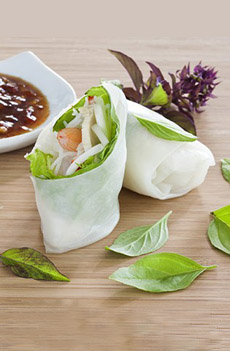
asian-basil-siam-queen_bonnieplants-230-L
Asian cooks add basil to summer rolls. Add
them to your own wraps and sandwiches.
Photo courtesy Bonnie Plants.
  The first week in May is National Herb Week, a time to focus on using more fresh herbs in your cooking.

Fresh herbs offer tons of flavor and good nutrition with virtually no calories. The flavor they provide lets you cut back on salt. They can be used in any savory dish (and some sweet ones).

So, why not use more fresh herbs?

THE DIFFERENCE BETWEEN HERBS & SPICES

The two terms are often used interchangeably, but there are important differences.

  • Herbs are the leaves of a plant (although stems may also be used). They grow in any climate warm enough to grow vegetables.
  • Spices are from the seeds, roots, fruit or bark, and typically used in dried form. Most originate in tropical or semi-tropical regions.
  •  
    It’s possible for one plant to contain both herb and spice. For example:

  • The coriander plant’s leaves are the herb cilantro, while coriander seeds are a spice in their own right.
  • Dill weed, an herb, and dill seed, a spice, come from the same plant.
  •  

    TIPS FOR COOKING WITH FRESH HERBS

  • Remove any twiggy, wiry or woody parts of the herb. Unless the recipe specifies otherwise, you can chop up soft stems. At any rate, don’t throw them away: They add deliciousness to soups and stews.
  • Avoid over-chopping herbs into teeny pieces. The diameter should measure between 1/8 and 1/4 inches.
  • Strip the leaves off of rosemary branches, but don’t throw the branches away. Freeze them for when you need a skewers. Cut the bottom at an angle to better skewer the food.
  • Plant some basic herbs; they grow well indoors and outdoors. For starters, plant basil, parsley, spearmint and English thyme. Avoid pre-planted pots that contain an assortment of herbs; their need for water varies.
  • Use flat-leaf (Italian) parsley for cooked dishes: It’s more strongly flavored than curly leaf parsley.
  • Add delicate herbs (basil, dill) to a hot recipe towards the end of cooking.
  •  
    Converting Dry Measures For Fresh Herbs

    In recipes, if dried herbs are specified, a larger quantity of fresh herbs is required. Here’s are the equivalents:

  • 1 teaspoon crumbled dried herbs
  • ¼ to ½ teaspoon ground dried herbs
  • 1 tablespoon finely cut fresh herbs
  •  

    EVERYDAY USES FOR FRESH HERBS

  • Breakfast: A must in omelets, frittatas and baked egg dishes.
  • Lunch: Add punch to grain salads, green salads and protein salads (egg, chicken, tuna, etc.). Place a few basil leaves in a sandwich or wrap. Garnish soups with fresh-snipped herbs.
  • Dinner: Add herbs to everything you cook! Just a few: Toss cooked pasta, rice and other grains with flat-leaf parsley. Add dill to roasted vegetables. Snip chives onto baked potatoes and vinaigrettes.
  • All Meals: Sprinkle or snip herbs as garnishes for just about everything. If your herbs blossom, use the blossoms as well.
  •  
    POPULAR HERB & FOOD PAIRINGS

  • Basil: pasta sauce, peas, pesto, tomatoes, zucchini
  • Chives: dips, potatoes, tomatoes
  • Cilantro: salsa, tomatoes, plus many Asian, Caribbean and Mexican dishes
  • Dill: carrots, cottage cheese, fish, green beans, potatoes, tomatoes
  • Mint: carrots, desserts, fruit salad, parsley, peas, tabouli, tea
  • Oregano: peppers, tomatoes
  •   chive-blossoms-moreguefile-230
    When herbs blossom, like these chive blossoms, don’t cut and toss them. They’re beautiful plate garnishes. Photo courtesy Morguefile.
  • Parsley: egg salad and other protein salads, potato salad and other vegetable salads, tabouli, sandwiches
  • Rosemary: chicken, fish, lamb, pork, roasted potatoes, soups, stews, tomatoes
  • Thyme: eggs, lima and other beans, potatoes, poultry, summer squash, tomatoes
  •   

    Comments off

    RECIPE: Coffee Shortbread Cookies

    coffee-shortbread-tasteofhome-230

    Coffee shortbread with a chocolate glaze to pair with a fine cup of java. Photo courtesy Taste Of Home.
     

    As a gift for your favorite coffee-loving moms, bake coffee-flavored shortbread. These are made even more special with a double chocolate drizzle.

    The recipe, from Taste of Home, is easy to make. Prep time is 15 minutes, bake time is 20 minutes per batch plus cooling.

    RECIPE: COFFEE SHORTBREAD COOKIES

    Ingredients For 60 Cookies

  • 1 cup butter, softened
  • 1/2 cup packed brown sugar
  • 1/4 cup sugar
  • 2 tablespoons instant coffee granules
  • 2 cups all-purpose flour
  • 1/4 teaspoon salt
  • 1/2 cup white baking chips, melted (substitute chopped white chocolate)
  • 1/2 cup semisweet chocolate chips, melted (substitute chopped semisweet chocolate)
  • 2 teaspoons shortening, divided
  • Preparation

    1. PREHEAT the oven to 300°F. Cream the butter, sugars and coffee granules in a large bowl until light and fluffy.

    2. COMBINE the flour and salt in another bowl; gradually add to the creamed mixture.

    3. ROLL the dough on a lightly floured surface to a 1/4-inch thickness. Cut out the cookies with floured 2-inch to 3-inch cookie cutters.

    4. PLACE the cookies 2 inches apart on ungreased baking sheets. Bake at 300°F for 20-22 minutes or until set. Remove to wire racks to cool.

    5. MAKE the chocolate drizzles. In a microwave, melt the white chocolate with 1 teaspoon shortening; stir until smooth. Repeat with the semisweet chocolate and remaining shortening. Drizzle over the cookies.

    6. REFRIGERATE until set. Store the cookies between pieces of waxed paper in an airtight container.


    Comments off

    TIP OF THE DAY: Entertain Friends & Family With A DIY Ice Cream Sundae Bar

    Updated July 2026

    How about a make-your-own-sundae ice cream and/or sorbet bar for get-togethers. It’s fun and pretty easy to pull off.

    The biggest challenge is how to keep the ice cream cold on a buffet table. We use a punch bowl filled with ice, and nestle the pints or quarts into the ice.

    The ice also serves as a surface for the ice cream scoops. Easy, peasy.

    Below:

    > How to select the ice cream.

    > Lots of toppings.

    > Sauces and whipped cream.

    > Serverware: dishes, spoons

    > Beverage pairings.

    > Alcoholic beverage pairings.

    Elsewhere On The Nibble:

    > The history of ice cream.

    > The history of ice cream—longer version.

    > The history of the ice cream sundae.

    > The different types of frozen desserts: a photo glossary.

    > The year’s 50+ ice cream holidays.

    > America’s favorite ice cream flavors.
     
     
    1. SELECT THE ICE CREAM

    Unless you have a particular theme in mind (e.g., chocolate flavors, berry flavors, pink [e.g. black raspberry, cherry vanilla, raspberry swirl, strawberry, strawberry cheesecake]), consider starting with the most popular flavors.

    America’s favorite flavors are vanilla, chocolate, strawberry, and butter pecan. You can choose those, or vary the selection.

    For a group of 8, we recommend four pints of ice cream and/or frozen yogurt. If your group includes people who avoid dairy, make one or two of them plant-based or sorbet.

    Easy Decisions

  • Chocolate ice cream/yogurt
  • Vanilla ice cream/yogurt
  • Mango or raspberry sorbet
  • Vanilla dairy-free ice cream
  • Optional: fancy flavors
  •  
    Other Options

    The next four most popular flavors on the list are cookie dough, cookies and cream, mint chocolate chip, and chocolate chip.

    If you don’t want to add more pints, you can approximate this second flavor group with toppings of cookie dough balls, Oreo pieces, mint baking chips, and chocolate chips.

    The best way to keep the ice cream cold is to place them in 9-inch square metal baking pans that have been kept in the freezer. When you’re ready to serve the ice cream, place the pints on the counter for 5 minutes to soften. Then, grab the frozen pan from the freezer and add the pints, surrounded with ice cubes.

    If you skip the tub of ice, the ice cream will last about 15 minutes before it gets too melty. If you want to extend the sundae bar for a longer time, have backup pints in the freezer.
     
     
    2. SELECT THE DRY TOPPINGS

    Easy Decisions

  • Candies: M&Ms, Reese’s Pieces, toffee bits
  • Chocolate chips
  • Chopped nuts
  • Sliced strawberries
  • Kids’ choices: gummies, confetti, glitter, maraschino cherries, sprinkles, Teddy Grahams
  •  
    For a more elaborate offering, consider brownie cubes, crushed almond nougat or peanut brittle, crushed waffle cones, mini meringues, and toffee shards.

    Fancier Options

    If your crowd has a sophisticated palate, consider:

  • Brandied cherries
  • Chocolate: 70% dark chocolate shavings, shards of smoked sea salt chocolate, roasted cacao nibs
  • Crystallized ginger cubes
  • Fruit purées with liqueur
  • Macerated strawberries with basil, thyme or orange liqueur
  • Salted Marcona almonds
  • Shredded coconut, plain or toasted
  • Toasted black sesame seeds or a black/white mix
  • Honeycomb toffee shards
  •  
    Sundae Toppings
    [8] Sophisticated toppings: crystallized ginger, macerated strawberries and basil, salted Marcona almonds, salted chocolate, coconut (photo © The Nibble).
     
     
    3. SAUCES/WET TOPPINGS

    Easy Decisions

  • Butterscotch or salted caramel sauce
  • Chocolate/fudge sauce
  • Raspberry or strawberry sauce/purée (especially if you serve sorbet)
  • Whipped cream (fun: Reddi-Whip chocolate whipped cream)
  •  
    Note that corn syrup-based sauces like butterscotch, caramel, and hot fudge often require warming to be pourable. Unless you can keep them warm, it’s better to buy pourable squeeze bottles.

    Plus, squeeze bottles are also much neater! Ghirardelli makes the best (photo #5).

    Fancier Options

  • Arbequina EVOO or other fruity olive oil (see the *footnote)
  • Balsamic glaze
  • Espresso or Bourbon reductions
  • Salted miso caramel
  • Scotch whisky
  •  
     
    4. SERVERWARE

    You may need to borrow some extra ice cream scoops, or use serving spoons.

    We like to use festive paper plates and napkins along with compostable spoons, but you can use whatever dishes you have: bowls, mason jars, wine glasses, etc. Plastic or paper party bowls are another option.

    As you can see in photo #1, our dish of choice is an edible waffle bowl, presented atop a festive, heavy-duty paper plate and colorful napkins. We’ve also taken to using reusable (and compostable) bamboo spoons.

       
    Sundae In A Waffle Cup
    [1] The most fun dessert: make your own sundae (photo © The Nibble).

    Assorted Ice Cream Toppings
    [2] Bowls are the neatest way to present the toppings (photo © Nana’s Company).

    Sundae Toppings
    [3] Things can get messy if you use a muffin tin. Not just the tabletop, but people spooning up toppings from one well can easily—if inadverently—spill some into the neighboring well (photo © The Nibble).

    Waffle Bowl Sundae Mixed Berries
    [4] Waffle bowls add fun and crunch. Here’s how to make your own waffle bowls from Taste Of Home.

    3 Ghirardelli Dessert Sauces
    [5] Girardelli makes the best pourable dessert sauces (photo © The Nibble).

    ice-cream-party-bar-theinspiredroom.net-230
    [6] The Inspired Room knows how set up a backyard sundae bar. They pre-pack the ice cream into hinged jars and keep them cold in a tub of ice. For neatness, the sauces go into syrup dispensers. Check out their article on the topic (photo © The Inspired Room).

    Bowls Of Strawberry Ice Cream
    [7] This top-rated ice cream scoop is just under $10, and comes in 18 colors, enough to match most any ice cream flavor (photo © Spring Chef | Amazon).


    5. BEVERAGE PAIRINGS

  • Cream/vanilla soda. Our favorite, Boylan’s, comes in regular and sugar-free.
  • Ginger beer. A more sophisticated, spicier, less-sweet version of ginger ale. Include a lime wedge.
  • Iced coffee or espresso. Always popular and a good complement.
  • Nonalcoholic spritz. A bitter-orange or botanical NA aperitif topped with sparkling water is a sophisticated, not-too-sweet option.
  • Sparkling tea. Earl Grey, hibiscus (herbal), or jasmine sparkling teas are elegant and work well with fruit, chocolate, and nut toppings.
  • Sparkling water with citrus and herbs. Make a pitcher of lemon-basil, grapefruit-rosemary, or orange-mint. They’re special without competing with dessert.
  • Strawberry-basil sparkling lemonade. A great pairing with berries and fruit sauces. Here’s a recipe.
  •  
    Alcohol Pairings For Ice Cream
    [9] All of these spirits can pair with ice cream sundaes. Details follow (photo © The Nibble).
     
     
    6. ALCOHOLIC BEVERAGE PAIRINGS

  • Aperol spritz. Bright, bittersweet, and refreshing alongside fruit-forward combinations, especially strawberry-basil.
  • Bourbon-and-soda. Pairs nicely with pecans, salted chocolate, and caramel without adding sweetness.
  • Demi-sec or sec Champagne. Its acidity and bubbles cut through rich ice cream; especially good with berries, basil, dark chocolate, and coconut.
  • Cream liqueur. Baileys, Carolan’s, Disarrono, etc.
  • Espresso Martini. Best with chocolate, coffee, or Oreo-leaning sundae.
  • Lambrusco. A sweet-ish Amabile or Dolce Lambrusco is lovely with chocolate-heavy or berry-focused sundaes.
  • Moscato d’Asti. Lightly sparkling, low-alcohol, and peachy; pair with strawberries, vanilla, ginger, and almonds.
  • Prosecco, Extra Dry or Dry. In the world of Prosecco, Extra Dry is actually sweeter than Brut, and Dry is even sweeter. These wines have the fruity, floral notes (peach, melon) that complement vanilla and fruit toppings.
  • Sherry. amontillado or oloroso sherry. A nutty, caramel-like match for pecans, chocolate, salted caramel, and toasted coconut.
  • Tawny Port. Elegant alongside chocolate, caramel, nuts, and ginger.
  • ________________
     
    *The fruitiest Extra Virgin Olive Oils (EVOO)—especially for a sophisticated ice cream topping—are made from specific olive cultivars known for their delicate or medium fruitiness. Also look for the term “Late Harvest.” Olives harvested later in the season are riper and produce a mellower, sweeter, and much fruitier oil compared to “Early Harvest” oils, which are more intense, grassy, and peppery. The following olive varieties are considered the fruitiest:

    Arbequina (Spain): This is the quintessential fruity olive oil, very mild with little to no peppery finish. It often has distinct notes of green apple, banana, and almond. Because of its buttery sweetness, it is the top choice for drizzling over vanilla ice cream.

    Hojiblanca (Spain): Its very broad flavor profile includes notes of tomato, apple, and avocado. It starts sweet and fruity on the palate before finishing with a very mild, pleasant bitterness.

    Koroneiki (Greece): While it can have a bit of a peppery kick, a high-quality Koroneiki is deeply fruity with an aroma that evokes fresh green herbs and citrus.

    Nocellara del Belice (Sicily, Italy): This variety is famous for its bright green flavor—tasting like buttery green olives with a very fresh, fruity, and slightly citrusy aroma.

    Picudo (Spain): Known for being very aromatic and sweet, this variety often tastes like exotic fruits, apple, and almond. It’s much softer than its more common Spanish cousin, Picual (Picual is one of our favorite EVOOs for salads and drizzling).

    Taggiasca (Liguria, Italy): This oil is extremely delicate, sweet, and fruity with a strong almond finish. It’s light and not overpowering (and can be more expensive).


    CHECK OUT WHAT’S HAPPENING ON OUR HOME PAGE, THENIBBLE.COM.


    Comments off


    © Copyright 2005-2026 Lifestyle Direct, Inc. All rights reserved. All images are copyrighted to their respective owners.