|
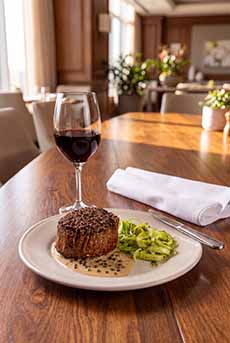
[1] Steak au poivre is the only steak recipe with its own holiday. Here, there are green peppercorns in the sauce in addition to a black peppercorn crust on the filet mignon. The vegetable is braised leeks (photo © The Nibble).

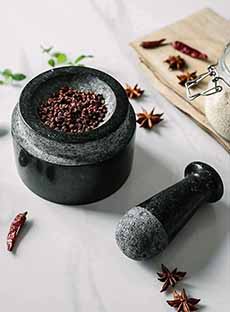
[2] You can purchase cracked peppercorns, but crushing them fresh is the way to go. You don’t need a mortar and pestle. Place the peppercorns in a plastic snack bag and roll over them with a rolling pin or wine bottle (photo © MVOVZQCV Brand | Amazon).
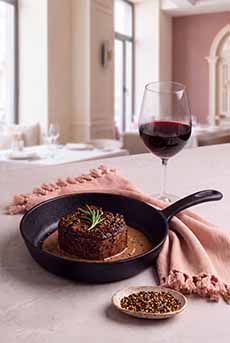
[3] To make the recipe at home, you need a cast iron skillet or another oven-safe pan (photo © The Nibble).
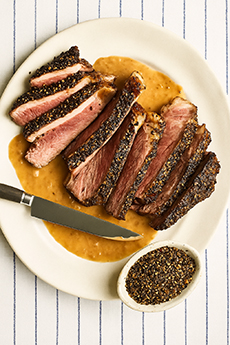
[4] You can use any steak in the recipe—here, it’s strip steak (photo © The Nibble).
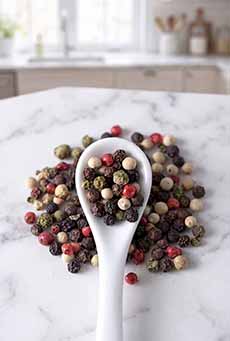
[5] A mixture of whole peppercorns: black, white, pink, and green. If you grind a mixture, the pepper crust will be much milder, since most of the piperine (the compound that holds the heat) is in the black skin of the peppercorn. Green (unripened) and white (black with the skin removed) peppercorns have much less, and the pink ones none at all—they’re not real peppercorns, but the dried berries of trees in the cashew family (photo © The Nibble).
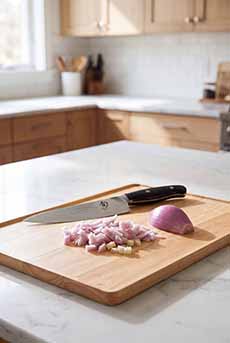
[6] These shallots are chopped, but not yet minced finely enough to meet a French chef’s standards. If you have the patience, make the mince as tiny as you can (photo © The Nibble).
[7] If you’d like a lighter cream sauce, use a percentage of stock instead of all cream (photo © The Nibble).
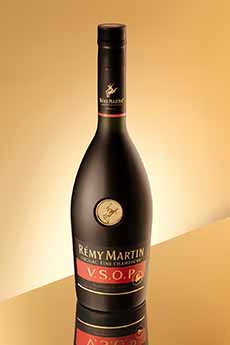
[8] The Cognac for the sauce also makes a delectable after-dinner drink (photo © The Nibble).
[9] Why you should consider Zinfandel with steak au poivre is detailed above (photo © Ridge Vineyards).
|
|
Updated September 2026
September 9th is National Steak Au Poivre Day, and we made beautiful filet mignon steaks au poivre for dinner, enjoyed with a delicious Ridge Zinfandel.
For those who love tender beef with a bit of heat and a creamy Cognac sauce, this dish is a must-try.
The coarsely cracked peppercorns form a distinct crust on the steak and infuse the pan sauce, the latter typically made with pan drippings, Cognac or brandy, and heavy cream or demi-glace.
This creates a sharp, woody, and warming bite that stimulates the palate and cuts through the richness of the beef and cream.
The heavy cream plays a crucial role in mellowing the pepper, creating a smooth, savory richness rather than a fiery burn.
(A quick note: steak au poivre [pronounced oh-PWAV], the classic French dish made with peppercorns, is in no way related to pepper steak, the Chinese-American stir-fry dish made from thin slices of marinated beef and bell peppers.)
Below:
> The recipe for steak au poivre.
> Wine pairings with steak au poivre.
> The history of steak au poivre.
> The year’s 25+ beef holidays.
Elsewhere on The Nibble:
> The different types of peppercorns: a photo glossary.
> The history of black pepper.
> The different cuts of beef: a photo glossary.
> The origin of black, green, and white pepper (Piper nigrum).
1. RECIPE: STEAK AU POIVRE
In this recipe, pepper-crusted filet mignon is pan-seared and served with a rich, velvety Cognac cream sauce (use brandy if that’s what you have; see the difference in the ‡footnote).
You can substitute a large boneless rib-eye or strip steak, 1½ inches thick, about 1¼ pounds.
If you want a lighter sauce, substitute some of the cream with stock.
The most bistro-authentic side dishes are pommes frites and haricots verts, with a simple salad to start (Dijon vinaigrette).
For a more elegant dinner, go with gratin dauphinois and asparagus or leeks**. For a modern take, we like truffled mashed potatoes and wilted spinach with garlic.
Thanks to Butcher Box, an online purveyor of fine meats and seafood, for this recipe.
Prep and cook time is 25 minutes.
Ingredients For 2 Servings
For the Steak
- 2 filets mignon, each 6 to 8 ounces and 2 inches thick
- 2-3 scant tablespoons coarsely cracked black peppercorns (or mix of colors‡‡)
- 1 tablespoon olive oil or vegetable oil
- 2 tablespoons unsalted butter
For the Sauce
- 2 shallots minced as finely as possible
- 1/4 cup Cognac or brandy‡
- 1/2 cup heavy cream
- Salt and freshly cracked pepper to taste
- Optional garnish: brined green or pink peppercorns (photo #1)
Preparation
Remove the filets mignon from the fridge and let them sit for 20 minutes. Preheat oven to 325°F. Then:
1. SEASON both sides of the filets with cracked black pepper, pressing it into the meat to create a good crust.
There are three ways to crack the pepper:
- In a mortar and pestle (photo #2).
- In a plastic sandwich or snack bag, crushing with a rolling pin, wine bottle, or mallet.
- On a cutting board, using the flat side of a large chef’s knife, pressing them in manageable clumps.
2. FINELY CHOP the shallots, measure out the Cognac and the heavy cream.
3. HEAT the olive oil in a cast-iron skillet over medium-high heat. Once hot, add the filets mignon and sear each side for about 3-4 minutes, depending on the thickness. Use tongs to turn the steaks and sear evenly.
4. TRANSFER the filets from the skillet to a sheet pan and roast in the oven for about 15 minutes or until 130°F internal temperature for medium rare. While filets bake, assemble pan sauce.
5. ADD the butter and shallots to the skillet. Cook for 2-3 minutes until fragrant and soft. Add the Cognac and let it reduce by half.
6. LOWER the heat and add the heavy cream, stirring constantly until the sauce thickens slightly. Taste and adjust seasoning with salt and freshly cracked pepper.
7. DRIZZLE the sauce on a dinner plate and sprinkle the optional green or pink peppercorns on the sauce (photo #1). Or, scatter them on the plate as a garnish. Serve immediately.
2. ZINFANDEL & OTHER WINE PAIRINGS FOR STEAK AU POIVRE
Zinfandel (photo #9) is a classic pairing with steak au poivre. Its spice mirrors the pepper, its ripe fruit balances the heat and cream, and its medium tannins and rich body complement the beef without overpowering it.
- Spice: Zinfandel often has spicy, peppery notes (especially black pepper, clove, and cinnamon) that echo and complement the cracked peppercorn crust and those in the sauce.
- Fruit: Zinfandel tends to be fruit-forward with notes of ripe blackberries, plums, and/or raspberries (depending on terroir, vintage, and other factors). The ripe fruitiness softens the sharpness of the peppercorn crust and balances the heat/spice of the sauce.
- Body: Many Zins are medium- to full-bodied with higher alcohol (classic California Zins range from ~14% to 16% A.B.V.). Higher alcohol can help dissolve and disperse the flavors of the peppercorn and the fat of the beef, enhancing complexity.
- Tannins: Compared to Cabernet Sauvignon or Bordeaux blends, Zinfandel usually has softer tannins. This means a smoother pairing: The peppercorn spice won’t feel too astringent, and the cream sauce won’t clash.
Other Wine Choices
- Malbec
- Merlot (choose one with structure, i.e. Right-Bank Bordeaux or Washington State Merlot)
- Southern Rhone Blends (Grenache-Syrah-Mourvèdre)
- Syrah / Shiraz
3. THE HISTORY OF STEAK AU POIVRE
Steak au poivre is a classic French bistro and brasserie* dish, dating back to the 19th century when Paris exploded with cafés and casual restaurants serving hearty, affordable meals to the middle class.
By that time, peppercorns were affordable to most households†.
The term au poivre simply means “with pepper,” either by encrusting the meat with crushed peppercorns or later, with a peppercorn sauce, which can be made with or without cream.
The earliest versions were more like pepper-encrusted steaks served with a pan jus deglazed with Cognac or brandy. The cream-based sauce became popular in the early 20th century, as the dish entered French haute cuisine with its love of butter and cream sauces.
By the early 1900s, steak au poivre was a fixture on bistro and brasserie menus, often paired with pommes frites (French fries).
The Cognac and Normandy regions of France introduced their respective spirits via flambé and in creamy sauces.
Steak Au Poivre Comes To Americaau poivre vert) and a return to cream-free sauces, closer to the original, using pan juices, shallots, Cognac/brandy, and stock.
Today you’ll find the dish on steakhouse menus worldwide, sometimes with Bourbon instead of Cognac, or with different peppercorn blends (black, green, pink, and white mix, or Sichuan peppercorns).
4. THE YEAR’S 25+ BEEF HOLIDAYS
- January 14: National Pastrami Sandwich Day
- February 24: National Steakburger Day
- March 9: National Meatball Day
- March 17: National Corned Beef and Cabbage Day
- March 18: National Sloppy Joe Day
- April 27: National Prime Rib Day
- May: National Beef Month
- May: National Hamburger Month
- May 28: International Burger Day
- May 28: National Beef Burger/Hamburger Day††
- May 28: National Brisket Day
- May, 4th Sunday: National Italian Beef Day
- June: National Steakhouse Month
- June 12: National Jerky Day
- June 21: National Wagyu Day
- July, 2nd Friday: National/World Kebab (Kabob) Day
- July 13: National Beef Tallow Day
- August 2: National Big Mac Day
- August, 1st Saturday: National Jamaican Patty Day
- August 13: National Filet Mignon Day
- September 9: National Steak Au Poivre Day
- September 21: National Beef Stroganoff Day
- September 23: National Snack Stick Day
- September 27: National Corned Beef Hash Day
- October 15: National Shawarma Day
- October 26: National Chicken Fried Steak Day
- November 12: National French Dip Day
- November 27: National Craft Jerky Day
- December 29: National Pepper Pot Day
Plus
- November is National Roasting Month
|
*The difference between bistro and brasserie: A bistro is a small restaurant serving simple, home-style, hearty dishes (e.g., boeuf bourguignon, cassoulet, coq au vin, steak frites). It’s casual, intimate, and usually family run. The term likely comes from the Russian word bystro (“quick”), brought by Russian soldiers in Paris in the early 1800s.
> A brasserie is a big, bustling venue with brewery roots (the French word for brewery is brasserie). In the 19th century, brasseries were places where beer was brewed and served with food. The menus are more extensive than at bistros, and they often serve food all day (e.g. choucroute garnie, onion soup, oysters, seafood platters, steak tartare). While originally beer was the main drink, brasseries today also have extensive wine and spirits lists. Classic brasseries often feature high ceilings, mirrored walls, Art Nouveau décor, and uniformed waiters (white aprons, long ties).
**Leeks can be prepared braised in butter and stock; dressed with warm with Dijon vinaigrette, parsley, chives, and a touch of shallot; or caramelized. The popular leeks à la crème, in heavy cream, doesn’t work with the cream sauce on the steak.
†Peppercorns, imported from India (as well as other spices from the Spice Islands of Southeast Asia), were expensive luxury goods through the Middle Ages, often costing more than two days of wages for a pound of pepper. Peppercorns were even used as currency! Prices began to decline in the late 15th and 16th centuries, as global spice trade expanded. By the 18th–19th centuries, pepper had become affordable and commonplace across middle-class European households.
††In the U.K., “National Burger Day” is a different event held on the Thursday before the late-August bank holiday (dates vary each year).
‡The difference between Cognac and brandy: All Cognac is grape brandy, a distillate of wine. However, Cognac is a brandy produced specifically in the region surrounding the town of Cognac, in central France. It is double distilled using pot stills and then aged for at least two years. It must be made from a specific group of white grape varieties, as well. Grape brandy can be made anywhere, from any grapes. Brandy can also be made from fruit and pomace, the solid residue of fruit left over—skins, seeds, and pulp—after juice (or oil, in the case of olives) has been pressed or extracted. Brandy does not require double distillation or long aging.
‡‡Piperine, the bioactive compound in black pepper is responsible for its characteristic pungent flavor. Green peppercorns, which are unripe, and white peppercorns, which have had the black skin removed, contain much less piperine.
> Pink peppercorns are not true pepper from the Piper nigrum vine; they are the berries of Peruvian or Brazilian pepper trees Schinus molle or Schinus terebinthifolia. They do not contain piperine; their spiciness comes from other compounds (terpenes and phenolics, which are chemically distinct from piperine).
CHECK OUT WHAT’S HAPPENING ON OUR HOME PAGE, THENIBBLE.COM.
|