THE NIBBLE BLOG: Products, Recipes & Trends In Specialty Foods


Also visit our main website, TheNibble.com.

TIP OF THE DAY: Try Something New For National Whole Grains Month

Just because it’s National Whole Grains Month doesn’t mean you have to flock to the brown rice and whole wheat pasta. Good as they are, why not try something new—something you might enjoy as much or more? Because whole grains are not only good for you; they’re delicious.

Thousands of years ago, many more grains were cultivated; in modern times, the majority have fallen out of fashion. Yet, with focus on the important health benefits of whole grains and the recommended 3-5 servings daily, these largely-forgotten nutritional powerhouses call out for your attention.

All of the ancient grains are very healthful and excellent sources of protein and dietary fiber. They’re a less expensive way to add high protein to your diet, with minimal fat. You may know farro, quinoa and other newly “discovered” ancient grains, but how about these four?

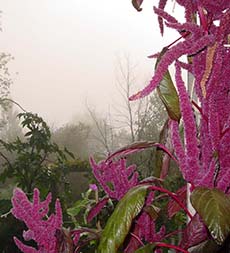
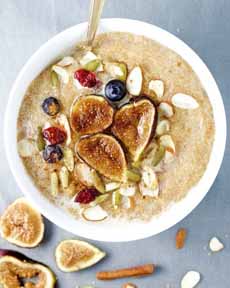
1. Amaranth. Amaranth was first cultivated 8,000 years in Mesoamerica. Like quinoa, is actually a seed, not a grain. Like quinoa, it is a whole protein, containing all of the essential amino acids (the amino acid lysine is lacking in many grains); and is gluten free. Amaranth contains unusually high-quality protein and is higher in fiber than wheat, corn, rice, or soybeans. Use it place of corn grits in your polenta. Try this Amaranth Polenta with Wild Mushrooms recipe.


Quinoa cakes with spinach, feta and lemon-dill yogurt sauce is a healthier take on spanakopita. Photo courtesy PaniniHappy.com. Here’s the recipe.

 
2. Kamut. Kamut is a trademarked term for khorasan wheat, an ancient relative of modern durum wheat. It originated in Egypt thousands of years ago. Legend says that Noah brought khorasan wheat on the ark, hence the nickname “Prophet’s Wheat.” The grain has inherent sweetness and a buttery taste; it also delivers iron, magnesium, selenium and zinc, plus 7 grams of protein per serving. Try using it in a vegetarian main course, such as Kamut Grain and Shiitake Risotto with Thyme.


Banana bread made with teff. Here’s the
recipe. Photo courtesy
52KitchenAdventures.com.
 

3. Millet. Millet was cultivated in China some 10,000 years ago, making it one of the earliest cultivated grains. It was revered in ancient China as one of five sacred crops*. Whole grain millet is a good source of protein, essential amino acids and fiber. Quick-cooking, easily digested and naturally gluten free, millet has a mild, sweet flavor and can be served in sweet or savory preparations. Try it as a hot breakfast cereal. Serve it as an alternative to rice in salads and stir-fries. Serve millet with a drizzle of olive oil, and a dash of salt and pepper in place of mashed potatoes. Add a crunch to deviled eggs, salads and other recipes with toasted millet seeds (recipe). You can also add uncooked millet to breads for a crunchy texture and a hint of sweetness.


4. Teff. Teff is an ancient North African cereal grass, and the smallest grain in the world. The germ and bran, where the nutrients are concentrated, account for a much larger volume of the seed compared to more familiar grains, which provides its “nutritional powerhouse” standing. One serving of whole grain teff averages 4 grams of dietary fiber, 7 grams of protein and nearly one quarter of our suggested daily calcium intake. Cook or bake with it: Here’s a delicious Apple and Pear Crisp made with teff.

There’s more to consider, of course. Here’s a complete list of whole grains:

Amaranth, barley (but not pearled barley), buckwheat (kasha), bulgur (cracked wheat), chia/Salba®†, corn (whole grain corn or cornmeal, yellow or white, but not grits), farro (emmer wheat), flaxseed, grano, hemp, Kamut® (khorasan wheat), millet, oats (oatmeal, whole or rolled oats), popcorn, quinoa, rice (black, brown, red, wild), rye (whole), spelt, sorghum, teff, triticale (a barley/wheat hybrid), whole wheat.
 
*The list varies by source. The Classic of Rites, compiled by Confucius in the 6th century B.C.E., lists broomcorn, foxtail millet, hemp, soybeans and wheat.


Comments off

FOOD HOLIDAY: International Chocolate Day

September 13th International Chocolate Day and gourmet retailer Balducci’s is celebrating with samplings and giveaways. They’ve also shared their recipe for Dark Chocolate-Chili Fondue, below.

Balducci’s will have samples of the chocolates at its:

  • New York City store in the Hearst Tower, Eight Avenue and 56th Street, September 13th and 16th.
  • Westport, Connecticut store on September 13th.
  • From September 13th to September 22nd, visitors can enter to win a Balducci’s Chocolate Lover’s Gift Basket, filled with an assortment of international chocolate treats:

  • Chocolove bars from Colorado
  • Divine Fair Trade Milk Chocolate (Washington, D.C.)
  • Ghirardelli and TCHO chocolate from San Francisco
  •  

    Celebrate International Chocolate Day with chocolate from different countries. Photo courtesy Balducci’s.

  • Green & Black’s organic bars from England
  • Lindt’s Lindor truffles from Switzerland
  • Perugina Baci from Italy
  • Ritter Sport from Germany
  • And more, including something for chocolate chip cookie lovers: Salt of the Earth Bakery’s The Cookie with Maldon sea salt (New York City)
  •  


    Everyone will be happy to celebrate with
    chocolate fondue. Photo courtesy WMMB.
     

    RECIPE: DARK CHOCOLATE-CHILI FONDUE

    Ingredients For 4-6 Servings

  • 12 ounces dark chocolate, any brand
  • 1/2 cup heavy whipping cream
  • 3 tablespoons sweetened condensed milk
  • 2 tablespoons butter
  • 1 tablespoon sugar
  • 1 teaspoon ground ancho chili pepper
  • 3/4 teaspoon ground cinnamon
  • 1/4 teaspoon plus 1/8 teaspoon cayenne pepper
  • 1 teaspoon vanilla extract
  • Dippers: banana slices, cubed miniature croissants, fresh strawberries, dried apricots, dried figs, ladyfingers, marshmallows, pineapple chunks, potato chips, pretzels and whatever else appeals to you
  •  
    Preparation

    1. MELT chocolate with cream, milk, butter, sugar, chili pepper, cinnamon and cayenne in a small heavy sauce pan. Remove from the heat; stir in vanilla.

    2. TRANSFER to a small fondue pot and keep warm. Serve with dippers of your choice
     
    FIND MORE OF OUR FAVORITE CHOCOLATE FONDUE RECIPES.


    Comments off

    RECIPE: Cream Cheese Cheese Balls At Brunch

    “Now shmear this!” says Hannah Kaminsky, one of our favorite food writer/photographers, about today’s tip: gourmet cream cheese balls.

    Hannah focuses on vegan cooking and baking, but everyone will find her recipes to be simply delicious.

    They’re a boon for people who are kosher, lactose-intolerant or simply cutting back on cholesterol. The recipe below can be made as conventional or vegan fare.

    Considering how to use a new brand of cream cheese*, Hannah decided to add “a bit more of a savory spin to things.”

    Her individual-size, gourmet cream cheese balls look almost too pretty to eat.

    She serves them at parties, with toast or crackers. We served them with bagels, elevating the familiar to the sophisticated.

    You can serve more than one “flavor” of cream cheese balls—perhaps a spicy option if your guests like heat, or a cutting edge blend if they like nouvelle flavors.
     
    Convenience alert: You can make the cream cheese balls in advance and freeze them. You can also make one large ball for the center of a party tray.

     
    Cream cheese balls are festive fare (photo © Hannah Kaminsky | Bittersweet Blog).
     
     
    RECIPE: HANNAH KAMINSKY’S GOURMET CREAM CHEESE BALLS

    Ingredients

  • Cream cheese
  • Garnishes: fresh chives, lemon zest, chopped nuts†
  •  
    Don’t hold back on garnish ingredients; check around to see what you have at hand:

  • Bacon bits, coconut, dried cranberries‡, honey-roasted peanuts, toasted sesame seeds or roasted garlic, for example.
  • You can even try cheese-on-cheese, with finely crumbled blue cheese or fresh-grated Parmesan.
  • You can also spice things up, with chili flakes, curry, paprika or wasabi powder.
  •  
    Preparation

    1. MINCE and combine the garnishes.

    2. ROLL the cream cheese balls into 1- or 1-1/2 inch diameter (what looks right to you). You can use wood butter paddles or your hands (you can use plastic kitchen gloves). If the cream cheese warms and starts to lose its shape, stick it in the fridge or freezer until it hardens enough to be smoothed into a round ball.

    3. ROLL the cream cheese balls in the mix to coat.

    4. SERVE on a bright colored plate or on a bed of greens, as in the photo.
     
     
    Check out Hannah’s Bittersweet Blog and sign up for the feed. You’ll enjoy every morsel.
     
    _______________

    *Hannah used Galaxy Food’s vegan cream cheese.

    †Hannah used pine nuts. Use your favorite: almonds, pecans, pistachios, walnuts, etc.

    ‡Tip: We find it easier to use a scissors rather than a knife to cut small dried fruits.
      

    Comments off


    © Copyright 2005-2026 Lifestyle Direct, Inc. All rights reserved. All images are copyrighted to their respective owners.