THE NIBBLE BLOG: Products, Recipes & Trends In Specialty Foods
Also visit our main website, TheNibble.com.
|
September 24, 2008 at 9:00 am
· Filed under Cookies-Cake-Pastry, Desserts, Events
|
 |
|
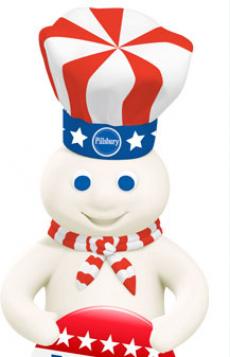
Take a break from the Republicans and Democrats. The Pillsbury Campaign for a Sweeter America has announced that Cake and Brownies have received the people’s nomination to run for the nation’s favorite dessert. The announcement comes after a nine-city primary campaign tour with the Pillsbury Doughboy to Asheville, NC, Baltimore, Boston, Chicato, Columbus, OH, Troy, OH, Indianapolis, Pittsbugh and Washington, DC. Voters have been won over by Cake’s ability to make every occasion a celebration, but the chocolatey irresistibility of Brownies is certainly putting up a fight. You can cast your vote in the online election at www.pillsburybaking.com/campaign. And you can read about our favorites in THE NIBBLE’s Cakes & Brownies Section. |
| |
|
|
Permalink
|
|
September 23, 2008 at 9:00 am
· Filed under Beverages, Top Pick Of The Week
|
| Beverages are the fastest-growing category in specialty foods; in the carbonated category, to take just one segment, sales increased almost 12% in 2007 over the prior year and the store shelves are piled high. There are some great 21st century sodas, spanning the range from sparkling juice like Fizzy Lizzy, green tea like Steaz, “adult” sodas with reduced sugar like GuS and Dry Soda, and flavored club soda energy drinks like Hiball.
One hundred years ago, your options for a soda were much more limited. You’d go to the soda fountain at the local pharmacy for a cola, ginger ale, root beer or other flavor. The counter man would pump syrup into a glass, then jerk back the tap of carbonated water (hence, the title “soda jerk”) to create your soda. Bottled beverages for take-out didn’t appear until Prohibition. |
|

Fentimans is ready to show you what
soda pop tasted like in the good old
days. |
| But across the pond in England, Fentimans Botanically Brewed Beverages were delivered door-to-door in stone jars. These, too, evolved into individual, capped bottles; today the line, in its Victorian trappings, is available in the U.S. as well. Curiosity Cola, Dandelion & Burdock, Ginger Beer, Mandarin & Seville Orange Jigger, Shandy (real shandy, brewed with beer) and Victorian Lemonade (each bottle containing the juice of 1-1/2 lemons) add charm and great natural taste to the 21st century menu. It’s an enchanting return to yesteryear, without the need to crank up the Model T and putter down to Whitman’s Drug Store. Learn more about Shandy, Jigger and the rest of the Victorian pop crew in the full review, and why it takes seven days to brew this soda. And take a look at more of our favorite all-natural sodas in our Soft Drinks Section. |
|
|
Permalink
|
|
September 22, 2008 at 1:07 pm
· Filed under Chocolate, Contest
|
 |
|
Most people are familiar with mint chocolate. But how about chocolate with lavender? Rosemary?
Dagoba Organic Chocolate wants you to “Seed The Day” and invent a new flavor of bar. The company, which popularized chocolate bar flavors that include Lavender, Lemon-Ginger, Mint, Roseberry (raspberry and rose hips) and other fruits, wants you to create the next garden-inspired chocolate bar. |
| Flavor submissions are being accepted through October, 31 2008. By the end of December, five winners will be randomly selected to win a year’s worth of Dagoba Organic Chocolate. Winners will get twelve bars of Dagoba Organic Chocolate each month for the twelve months in the 2009 calendar year (approximate retail value, $415). But to us, the biggest honor is that one of the flavors submitted will be selected to be turned into a Dagoba chocolate bar, which will be released in Fall 2009. Your own Dagoba chocolate bar—that’s some holiday gift to give to one’s friends and family!
You can also sign up for free seed packets of favorite herbs found in Dagoba chocolate bars (like lavender, mint and rosemary), which will be mailed out next spring in time for planting season. Log on to www.dagobaseedtheday.com. |
|
|
Permalink
|
|
September 20, 2008 at 9:00 am
· Filed under Events, Holidays & Occasions
|
 |
|
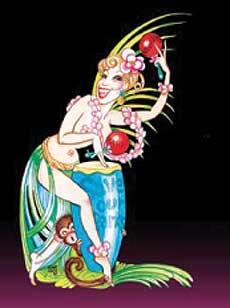
The market may be down, but the stars are out. If you have $150, put on your best Halloween costume, get a balcony seat for dinner and rub shoulders at the cocktail reception with food, fashion and Hollywood A-listers at the Waldorf-Astoria in New York City. On Friday, October 31, 2008, at the annual Hulaween benefit for Bette Midler’s New York Restoration Project, more than 1,000 guests will be entertained by Gloria Estefan, the Miami Sound Machine and Emmy award-winning comedian Kathy Griffin (on the D-List and proud of it). American designer and “Project Runway” judge Michael Kors will pick winners from the crowd for the annual costume contest. Alice Waters, internationally acclaimed chef from Chez Panisse in Berkeley, will receive the “Wind Beneath My Wings” Award from Bette Middler for her pioneering advocacy for locally grown and sustainably harvested food that has become a model for restaurant and home cooking all over the world. |
| A special committee of celebrity chefs will honor Waters by making their signature appetizers for the cocktail party, including: April Bloomfield (The Spotted Pig and The John Dory); David Chang (Momofuku Noodle Bar), Tom Colicchio (Craft); Lisa Fernandes (Mai House); Kurt Gutenbrunner (Wallse, Café Sabarsky and Blaue Gann); Jonathan Waxman (Barbuto); and Andrew Zimmern (SuperTarget Meal Adventure Guide and Host of “Bizarre Foods” on The Travel Channel).
For tickets and information about Hulaween, call (914) 579-1000 or visit www.nyrp.org. |
|
|
Permalink
|
The Nibble Webzine Of Food Adventures
© Copyright 2005-2026 Lifestyle Direct, Inc. All rights reserved. All images are copyrighted to their respective owners.