THE NIBBLE BLOG: Products, Recipes & Trends In Specialty Foods


Also visit our main website, TheNibble.com.

TIP OF THE DAY: Fava Beans (& A Nice Chianti)

fava-beans-thedeliciouslife-230
Fresh fava beans. Photo courtesy
TheDeliciousLife.com. Check out their
recipe for a charming appetizer or hors
d’oeuvre, Fava Bean Purée with Feta and
Garlic Toasts.

  For those of you who recall Hannibal Lechter’s upcoming dinner at the end of The Silence Of The Lambs, you can make your own version of it 9we suggest calf’s liver). Fava beans are in season, here for their brief annual visit.

Also known as the broad bean, faba bean, field bean and other names, Vicia faba is a member of the pea family (Fabaceae) that is native to North Africa, possibly Egypt.

Fava is the Italian word for broad bean, and is the term most commonly used in the U.S. In the U.K. and Australia, broad bean is the common term.

According to Wikipedia, fava beans are “among the most ancient plants in cultivation and also among the easiest to grow.” As such, they are cultivated extensively worldwide.

Along with lentils, peas and chickpeas, they are believed to have become part of the eastern Mediterranean diet around 6000 B.C.E. or earlier. They were popular with the ancient Greeks and Romans.

 
When very young, the pods can be eaten whole. But the beans are typically removed from the pod and then parboiled and peeled to remove the skin, which can be bitter. The young leaves can also be eaten either raw or cooked, like spinach.

The beans, which resemble edamame and lima beans, are green with a buttery texture and an earthy flavor.


WAYS TO ENJOY FAVA BEANS

Fava beans are a wonderful addition to any meal, hot or cold. If you search online for “fava bean recipes,” you’ll find lots from which to choose. Here are some ideas for starters:

  • Appetizer: In a dip for crudités or on bruschetta with olive oil and shaved asiago or pecorino romano cheese.
  • Main: Atop linguine or angel hair pasta, with garlic and fresh herbs in a sauce of butter or olive oil (for Easter we served crab ravioli with fava beans and morels).
  • Salad: With cucumber, red onion, fresh herbs (basil, mint or tarragon) and feta cheese, in a vinaigrette.
  • Side: Sautéed in butter or olive oil; grilled in the pod, then eaten from the pod like edamame.
  • Soup: In a creamy, vivid green fava bean soup (garnish with some whole cooked fava bean).
  •  
    Another idea: Egypt’s national dish, ful medames, is a stew of fava beans with olive oil, lemon juice and garlic, usually eaten for breakfast (but you can serve it with any meal). It is a staple throughout the Middle East.

      fava-bean-soup-marthastewart-230
    Fava bean soup. Photo courtesy MarthaStewart.com. Here’s the recipe.
     
    If you miss the fleeting fava bean season, dried fava beans are available. But don’t let the fresh favas escape you. After all, would Hannibal Lechter eat dried fava beans?
      

    Comments off

    PRODUCT: Starkist Gourmet Selects Tuna Pouches

    starkist-gourmet-selects-pouches-230
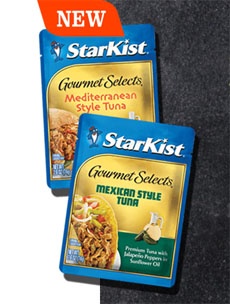
    We keep tuna pouches at the office as better-for-you options for lunch and snacking. Photo courtesy Starkist.


    We’ve been enjoying tuna pouches since they first appeared. Especially at the office, they provide a convenient, better-for-you option for lunch or snacking.

    We especially like the flavored tuna pouches, which are tasty enough to require no mayonnaise. We just add the contents to a piece of toast, or onto leafy greens.

    StarKist has expanded the flavored tuna options with a new product line, StarKist Gourmet Selects Pouches, that includes real veggies in each pouch. We received samples of the three internationally-inspired flavors:

  • Mexican had a nice touch of sundried tomato.
  • Mexican has a very mild amount of heat. We’re not fans of major heat, but we’d like a bit more jalapeño.
  • Thai is tasty, although it didn’t have a particular Thai distinctiveness—just a bit of sweetness and some heat, which sizzled in our mouth long after the dish was consumed.
  •  
    There are recipes for cooked dishes using the tuna on the back of each pouch.

     
    Last fall we wrote about Starkist Tuna Creation’s flavored pouches in Lemon Pepper and Sweet & Spicy, with proceeds benefiting the Wounded Warrior Project. They were 4.5 ounces apiece—just right for lunch.

    The new Gourmet Selects pouches are in a much smaller size: 2.6 ounces, good for kids but not enough for this not-so-delicate eater. Still, we’d be happy to have a carton of them delivered to the office to take the place of our often less-good-for-you snacks.
     
    NEWS FOR EXPECTANT & NEW MOMS

    Some pregnant women have limited their fish and seafood intake, due to past studies concerned about the amount of mercury in some fish.

    A new report from the U.S. Dietary Guidelines Advisory Committee encourages women who are pregnant, may become pregnant or are breastfeeding to eat at least 8 to 12 ounces (2 to 3 servings) of fish each week.

    According to 2014 FDA research, women can safely consume up to 67 ounces—33 servings—of canned albacore tuna each week.

    The advice, expected to be adopted and included in the 2015 Dietary Guidelines for Americans, comes at a time when seafood consumption in the U.S. is at an all-time low, especially among moms and moms-to-be.

    Thanks to Bumble Bee for spreading the word about the new recommendations.


    Comments off

    TIP OF THE DAY: The New “Dirty Dozen”

    The “dirty dozen” of produce refers to those fruits and vegetables that have the most pesticide residues. If you’re going to buy organic versus conventional produce, these are the foods to buy.

    Since agricultural practices change, The Environmental Working Group (EWG) creates an annual Shopper’s Guide to Pesticides to reduce your exposure to chemical pesticides.

    It ranks 48 popular fruits and vegetables by their pesticide loads. The rankings are based on lab tests done [mostly] by the USDA, which tests more than 34,000 samples of common food crops for pesticide residue.

    Rinsing and peeling conventional produce does not remove all of the chemical residue. Some plants absorb pesticides through the peel.

    Nor does washing and peeling change a food’s ranking, because the USDA lab tests produce as it is typically eaten: washed and, when applicable, peeled.

    But the EWG underscores that the health benefits of a diet rich in fruits and vegetables outweigh the risks from pesticide exposure. In other words, eating conventionally-grown produce is far better than not eating enough fruits and vegetables at all.
     
    WHY SOME PRODUCE HAS TO BE “DIRTY”

    Crops differ in their hardiness—whether they’re more or less susceptible to intense heat, cold, rainfall, drought, fungus or other disease, etc.

       
    assorted-apples-USApples-230

    An apple a day may keep the doctor away, but it also has the highest amount of pesticide residue. The solution: Buy organic! Photo courtesy US Apples.

     
    In the case of bugs, some crops are more readily attacked and destroyed by the hungry little critters. So chemical pesticides are used to kill the bugs, fungus, etc. before they kill the crop.

    Organic farmers use natural pesticides and fertilizers—no chemicals. The expense of growing crops this way leads to the higher cost of organic produce.

    Some shocking statistics:

  • The average potato had more pesticides by weight than any other produce.
  • A single grape sample and a sweet bell pepper sample contained 15 diffent pesticides.
  • A whopping 99% of apple samples, 98% of peaches and 97% of nectarines tested positive for at least one pesticide.
  • Single samples of cherry tomatoes, nectarines, peaches, imported snap peas and strawberries each showed 13 different pesticides.
  •  

    asparagus-twine-230
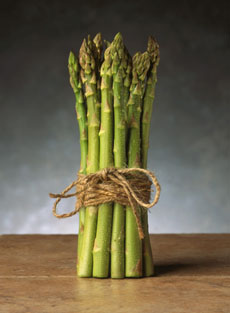
    Eat all the asparagus you like: They’re one of the most pesticide-free veggies. Photo courtesy California Asparagus Commission.


    THE 2015 “DIRTY DOZEN” FRUITS & VEGETABLES

    Ranked from highest (dirtiest) to lowest (cleanest of the Dirty Dozen) are some of our favorite fruits and vegetables:

  • Apples
  • Peaches
  • Nectarines
  • Strawberries
  • Grapes
  • Celery
  • Spinach
  • Sweet Bell Peppers
  • Cucumbers
  • Cherry Tomatoes
  • Imported Snap Peas
  • Potatoes
  •  
    Wow!

     
    We’ve been buying organic celery for years (it’s been on the Dirty Dozen list for a long time). But we’re going to go our of our way for organic apples and strawberries, two fruits we eat almost daily.

    We’ll also buy more of the Clean Fifteen, produce with the least amount of pesticide residue.
     
    THE “CLEAN FIFTEEN” FRUITS & VEGETABLES

  • Avocados
  • Sweet Corn
  • Pineapples
  • Cabbage
  • Frozen Sweet Peas
  • Onions
  • Asparagus
  • Mangoes
  • Papayas
  • Kiwi
  • Eggplant
  • Grapefruit
  • Cantaloupe
  • Cauliflower
  • Sweet Potatoes
  •  
    As an American consumer, the choice is yours!
      

    Comments off


    © Copyright 2005-2026 Lifestyle Direct, Inc. All rights reserved. All images are copyrighted to their respective owners.