THE NIBBLE BLOG: Products, Recipes & Trends In Specialty Foods


Also visit our main website, TheNibble.com.

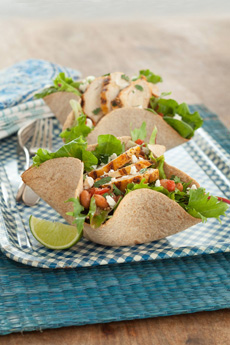
TIP OF THE DAY: Homemade Tortilla Bowls (Fill With Grilled Chicken Salad!)

/home/content/p3pnexwpnas01_data02/07/2891007/html/wp content/uploads/chicken salad in tortilla ingridhoffmannFB 230
Make your own tortilla baskets. They’re
tastier than the commercial variety
served at many Tex-Mex restaurants.
Photo courtesy Chef Ingrid Hoffmann.
 

For many years of our youth, one of our favorite restaurant lunches was Mexican-style chicken salad in a tortilla bowl. As our palate evolved, we realized that a lot of those tortilla bowls (a.k.a. tostada bowls) didn’t taste that great. The best restaurants made their own, but others used pre-made commercial bowls, greasy and bland. So we moved on to Cobb Salad.

Later, we discovered that you can make tortilla bowls at home, and that baking rather than frying cut out the grease. Mexican Chicken Salad was reborn!

Here’s Mexican chef Ingrid Hoffmann’s recipe. You can customize it as you like: with corn kernels or Inca corn, with raw onion, with spicy salad (arugula, watercress, radishes), with pickled jalapeños or pepperoncini, with your favorite cheese, olives, whatever!

First: Save four empty 15-ounce cans. You’ll use them to shape the tortilla bowls. This recipe will give you one empty can, from the pinto beans.

RECIPE: CHICKEN SALAD IN TORTILLA BASKET

Ingredients For 4 Servings

  • 4 deboned chicken breasts, trimmed of excess fat, rinsed and patted dry
  • 1 tablespoon of delicious marinade
  • Canola oil spray
  •  
    For The Adobo Seasoning

    If you already have a commercial adobo seasoning, use it. If not, Chef Ingrid’s recipe is so much fresher; and you can use up the remainder on other meats and poultry, eggs, rice, soups, etc.

  • 1 tablespoon lemon pepper
  • 1 tablespoon garlic powder
  • 1 tablespoon onion powder or flakes
  • 1 tablespoon dried oregano
  • 1 tablespoon dried parsley flakes
  • 1 tablespoon achiote powder or substitute*
  • 1/2 tablespoon ground cumin
  • 1 tablespoon salt
  •  
    *If you don’t want to purchase achiote powder, substitute equal amounts of turmeric and sweet paprika. It won’t have the same tartness of achiote powder, but it’s a decent hack.


    For The Salad

  • 4 10-inch tortillas
  • 2 tablespoons of olive oil, divided
  • ½ medium yellow onion, chopped
  • 4 garlic cloves, finely chopped
  • Freshly ground black pepper
  • 3 medium tomatoes, cored, seeded and chopped
  • ½ cup of water
  • 2 chiles in adobo† (canned), chopped
  • 2 tablespoons of the adobo sauce
  • 1 can (15 ounces) pinto beans, rinsed and drained
  • Salt and freshly-ground black pepper to taste
  • 5 cups of mesclun, baby spinach or other salad greens
  • ½ cup (2 ounces) of queso blanco, cotija or feta, crumbled
  • ¼ cup chopped fresh cilantro
  • Garnish: lime wedges
  •  
    †Remove the seeds to cut down on the heat, if desired.


    /home/content/p3pnexwpnas01_data02/07/2891007/html/wp content/uploads/tortillas hotbreadkitchen.org ps 230

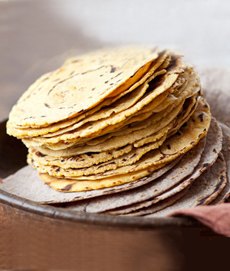
    Tortilla chips were originally made as a way to use broken or misshapen tortillas. Here’s the history of tortilla chips. Photo of artisan tortillas courtesy Hot Bread Kitchen.

     
    Preparation

    1. MAKE the adobo seasoning. Combine the ingredients in a small glass jar with an airtight lid and shake to blend. Store in a cool, dry place for up to 2 weeks.

    2. SEASON the chicken breasts with adobo seasoning. Coat a ribbed grill pan with the oil spray (or vegetable oil) and heat over medium heat. Cook the chicken breasts for 3-6 minutes on each side, until slightly golden (test for doneness—170° on a meat thermometer). Set aside to cool, then slice into strips ½ inch wide.

    3. MAKE the tortilla baskets. Preheat the oven to 400°F. Place a small dish of water on your work surface. Place 4 empty (15-ounce) cans, open side down, on a baking pan. Using a pastry brush, soften the tortillas by brushing both sides with a little water, and then brush with 1 tablespoon of olive oil. Drape the tortillas over the cans and bake until firm, about 5 to 7 minutes. Using tongs, turn the tortilla bowls right side up, discard the cans, and continue to bake until golden and crisp, another 4 minutes.

    4. PREPARE the beans. Heat the remaining tablespoon of oil in a large skillet over medium heat. Add the onion and cook until soft and translucent, about 4 minutes. Stir in the garlic and cook until fragrant, about 1 minute. Season with salt and pepper. Add the tomatoes, chipotles with adobo sauce, and 1/2 cup water, cooking until slightly thick, (about 5 minutes), stirring occasionally. Mix in the beans and cook until heated through. Season with salt and pepper. Remove from the heat.

    5. PLACE the tortilla bowls right side up on plates and fill each with a handful of greens. Divide the bean mixture among the tortilla bowls and top with a sprinkle of queso blanco or cotija. Fan the sliced chicken on top and garnish with chopped cilantro. Drizzle with a little olive oil and serve with lime wedges.
      

    Comments off

    RECIPE: Blueberry Smoothie With Almond Milk

    /home/content/p3pnexwpnas01_data02/07/2891007/html/wp content/uploads/blueberry almond milk ingridhoffmannFB 230
    A smoothie with our favorite fruits plus almond milk. Photo courtesy Chef Ingrid Hoffmann.
     

    Having just published an article on why we love almond milk, we hasten to follow it up with an easy recipe.

    Your nutritionist would approve of this smoothie, from Chef Ingrid Hoffmann. She adds flaxseed meal for extra nutrition and enjoys it for breakfast. We enjoyed ours for mid-morning and mid- afternoon snacks.

    If you don’t have all the ingredients, just use what you have in proportion. Powdered ginger isn’t celestial like fresh ginger, but it will do.

    RECIPE: BLUEBERRY BANANA MANGO SMOOTHIE

    Ingredients For 2 Servings

  • 1 banana, quartered and frozen
  • ½ cup frozen mango cubes
  • ½ cup blueberries, plus more for garnish
  • 1 cup nonfat plain kefir (drinkable yogurt)
  • 1/8 teaspoon vanilla extract
  • 1 one-inch piece of fresh ginger, peeled and grated
  • 2 tablespoons flaxseed meal
  • 2 fresh mint sprigs for garnish
  • Preparation

    1. PLACE all ingredients except the mint in a blender and purée until smooth. Pour immediately into chilled tall glasses.

    2. GARNISH with a few berries and mint sprigs before serving.
     
     
    Find more delicious recipes at IngridHoffmann.com.


    Comments off

    TIP OF THE DAY: Rich, Creamy Almond Milk & Other Plant Milks

    June 1st is National Milk Day. Some people never touch a glass of milk, but we love it. We can drink two eight-ounce glasses a day. That’s in addition to cereal milk, yogurt and other milk-based products.

    Our brother is the same. So we were surprised recently when he asked if we’d like a few quarts of almond milk; he had purchased too much.

    Why the switch to plant milk? A physician had suggested that he cut back on cholesterol. He found that he preferred the rich, creamy taste of almond milk to fat-free cow’s milk (all plant-based foods are cholesterol free).

    He also likened the flavored varieties—Chocolate, Coconut, Vanilla—to milkshakes without the calories.

    Almond milk can be used in just about any recipe calling for cow’s milk: in baking, hot and cold beverages, sauces and soups. The only significant limitation is in recipes that require cow’s milk starches to thicken, such as custard, pudding and yogurt. You need to add other thickening agents.

    Another benefit: You need never run out of milk. Brands like Almond Breeze have shelf stable versions. Just store extra cartons in the pantry. Like Parmalat brand cow’s milk, no refrigeration is required until the container is opened.

    Below:

    > Milk trends in America.

    > The different plant milks.

    > How to choose.

    Elsewhere on The Nibble:

    > The history of almonds and almond nutrition.

    > The year’s 38 nut holidays.

    > The year’s 16+ milk and cream holidays.
     
     
    TRENDS: WHAT’S HAPPENING TO MILK IN AMERICA
     
    For decades, cow’s milk consumption per capita has been on the decline, as newer generations—even pre-teens—drink coffee and soft drinks instead of a glass of milk. According to the U.S. Department of Agriculture, consumption across all age groups dropped 25% in the 37 years between 1975 and 2012.

    Since 1999, according to market research firm Euromonitor, plant-based alternatives, called non-dairy milks, have grown in annual sales by an average of 10.9%. They are now a $1 billion-plus category in domestic retail sales.

    The trend is based on personal factors, largely allergies, kosher and vegan diets, lactose intolerance and sustainable lifestyles*.

    In the U.S., cow’s milk still dominates total milk consumption but plant milks have become a major secondary category and are now considered mainstream.

    Plant milks are especially strong among younger, lactose-intolerant, vegan, and flexitarian consumers.


    Below: 16 plant milks from which to choose, plus banana milk, which is a category unto itself.


    Glass Of Almond Milk
    [1] Almond milk is our favorite of the nondairy milk alternatives. Each person has his/her own preference. (photos: The Nibble).

    2 Bottles Of Caliafa Flavored Almond Milk
    [2] In addition to using Original in coffee and tea, Chocolate and Vanilla make tasty snacks (photo: The Nibble)

    A Carafe  Of Soy Milk & Scattered Soy Beans
    [3] Soy milk was the first widely-available plant milk (photo: The Nibble).

     
    8 Types Of Plant Milk
    [4] Plant milks, from left to right: Almond Milk, Cashew Milk, Coconut Milk, Hemp Milk, Macadamia Milk, Oat Milk, Rice Milk, and Soy Milk (photo: The Nibble).
     
    THE NON-DAIRY MILKS

    Twenty years ago, the option for non-dairy milk at supermarkets was soy milk. Then rice milk arrived. Today, the list is threefold larger:

  • Almond milk: Light, slightly nutty, low in calories but also low in protein.
  • Cashew milk: Creamier than almond milk with a mild, neutral flavor.
  • Coconut milk: Distinctly coconut-flavored; richer versions are high in fat, lighter ones are more diluted.
  • Hemp milk: Earthy, slightly nutty, with some omega-3 fats and moderate protein.
  • Macadamia milk: Smooth and buttery with a subtle, slightly sweet flavor.
  • Oat milk: Naturally sweet and creamy; one of the best for coffee and frothing.
  • Rice milk: Very mild and thin, naturally sweet but low in protein.
  • Soy milk: The most nutritionally balanced; high in protein and closest to dairy milk.
  •  
    See our tasting notes in the †footnote below.
     
     
    Niche Plant Milks

  • Flax milk: A good source of omega-3 essential fats that aren’t be produced by the body and must come from one’s diet or supplements.
  • Hazelnut milk: A nutty hazelnut flavor that’s great in coffee.
  • Pea milk: High in protein and allergen-friendly.
  • Pistachio milk: Rich and velvety with a subtly sweet, buttery, and earthy flavor (it tastes distinctly like the nut itself, and like melted pistachio ice cream).
  • Quinoa milk: Earthy, somewhat savory, and higher in fiber than most grain milks.
  • Sesame milk: Rich and bold with a toasted, distinctive sesame flavor; usually made from roasted seeds.
  • Sunflower seed milk: Salty-sweet and creamy, allergen-free.
  • Walnut milk: Deeply nutty and slightly earthy, noteworthy for its high omega-3 content.
  •  
    Plus:

  • Banana milk: While called “milk,” it is usually blended with bananas and is not a true milk extraction.
  •  
     
    HOW TO CHOOSE?

    Which one you choose should depend on two factors: taste preference and nutritional components. For example:

  • If you want the milk to supplement your protein intake, look at the nutrition label. Some have more protein and other nutrients, some add nutrients equal to fortified cow’s milk (cow’s milk usually has added vitamin D; reduced fat varieties have added vitamin A).
  • Some may contain additives you don’t want, from lecithin to sugar.
  •  
    As the disclaimer goes, speak with your healthcare professional before making any changes.

    How about a tasting party?

    It can get expensive trying different milks. One idea is to invite people for a “tasting party” so everyone can see which option(s) they prefer—both in beverages and for other uses, like cereal.

    If you spring for the milks, you can ask other participants to bring food. Perhaps the cooks and bakers in the group can bring dishes made with a plant milk.

    ________________

    *Cow manure and flatulence produces huge amounts of methane, a major greenhouse gas. Here’s more information.

    Tasting Notes:

    > Almond milk doesn’t have the protein of cow’s milk, but it is lower in calories and some brands add calcium and vitamins during processing. The key benefit for us is the mild taste. You probably wouldn’t even notice if someone replaced almond milk for cow’s milk in your coffee. A close second to soy in terms of sales, almond milk is the non-dairy milk with the largest annual sales increases.

    > Cashew milk is beloved by our vegan expert Hannah Kaminsky, who drinks and cooks only with non-dairy milks. We should have tried it by now, but are too enthralled by almond milk.

    > Coconut milk (the drinkable milk in a carton, not to be confused with the canned coconut milk for cooking and cocktails) has a noticeable amount of coconut flavor. If coconut is one of your favorite flavors and you want to taste it every time you use milk, then this is your milk alternative. While coconut milk is low in calcium and protein, on the good side it is also low in calories.

    > Hemp milk is a product that people either love or hate. Personally, we don’t like the earthy flavor in a milk product. Like rice milk, it is an option for people who have nut and soy allergies.

    > Oat milk we tried onlyonce, and didn’t care for it. Ditto with flax milk. Be your own judge.

    > Rice milk can be gritty and watery. It is also higher in calories, carbs and sugar, lower in calcium and a poor source of protein. It is best for people who have nut and soy allergies.

    > Soy milk is tasty when flavored, but in its plain form, there can be a beany aftertaste depending on the brand (we like it as a coffee milk). Soy milk has the most protein of the non-dairy milks; but on the down side, processed soy isoflavones can affect hormones, raising the risk for breast cancer; they can also depress thyroid function. Unless it’s organic, soy milk is likely made with GMO soybeans. Soy is the highest milk alternative in sales, but that’s because it’s been around for so long and anyone who has drunk it for years has no incentive to change. But almond milk is closing in!

    ________________

    *Cow manure and flatulence produces huge amounts of methane, a major greenhouse gas. Here’s more information.
     

    CHECK OUT WHAT’S HAPPENING ON OUR HOME PAGE, THENIBBLE.COM.


    Comments off


    © Copyright 2005-2026 Lifestyle Direct, Inc. All rights reserved. All images are copyrighted to their respective owners.