THE NIBBLE BLOG: Products, Recipes & Trends In Specialty Foods


Also visit our main website, TheNibble.com.

Savory Custard Recipes For Breakfast, Lunch & Dinner

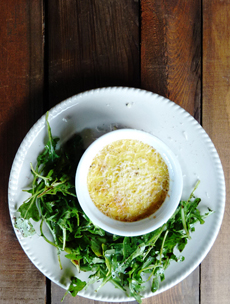
/home/content/p3pnexwpnas01_data02/07/2891007/html/wp content/uploads/parmesan custard arugula salad thesecretmenu.wordpress 230
[1] Parmesan quiche with arugula salad: as a light lunch or a first course for dinner. Here’s the recipe (photo © The Secret Menu).
 

Custard is one of our favorite dishes: a symphony of cream, eggs and flavorings.

Most people consider custard to be sweet—a dessert that ranges from good old American chocolate pudding to crème brûlée, crème caramel, flan and others (see all the types of custard in our delectable Custard Glossary).

The same mixture of cream and eggs that forms the base of sweet custard replaces the sugar with savory inclusions to become a delicious savory custard that can be eaten at breakfast, lunch and dinner.

From a lunch dish with a salad, to a first course or side at a fine dinner, savory custards deliver a lot of bang—especially since most people haven’t yet had them.

Well, not exactly: Many people have had savory custard in the form of quiche, a variation that’s baked in a pie shell.

But today’s focus is on savory custard made in individual ramekins.

 
While you can make them in casserole dishes, individual portions look so much better than the same recipe scooped from a casserole and plopped on a plate. (Of course, you can neatly slice it from a casserole and place it on the plate like a slice of pie, but we still prefer ramekins.)

Since we’re getting to the end of corn season, here’s your opportunity to start your adventures in savory custard with corn custard. If you didn’t see it a few weeks ago, here’s a rerun of our corn custard recipe. If your Labor Day fare is more elegant than hot dogs and hamburgers, you can make it.


SAVORY CUSTARD RECIPES

  • Asparagus & Parmesan Custard with Tarragon, or Green Pea and Shallot Custard (recipes).
  • Chawan-mushi, Japanese savory custard (the name means “steamed in a tea bowl”). Here’s a recipe with shrimp and green peas. There’s also a steamed savory egg custard in Chinese cuisine.
  • Gorgonzola and Leek Crème Brûlée recipe,
  • Gruyère, Garlic & Thyme Custard recipe.
  • Herb Custard (recipe).
  • Lobster Custard—substitute crab, scallops or shrimp (recipe).
  • Pumpkin Custard (recipe), the savory version. Pumpkin pie is a sweet pumpkin custard.
  •  
     
    HOW IS BREAD PUDDING RELATED TO CUSTARD?

    Bread pudding is a sweet or savory dish bound with custard. Put this recipe on your “to be tried” calendar: a mushroom bread pudding. You can serve it as the dressing with turkey.

      /home/content/p3pnexwpnas01_data02/07/2891007/html/wp content/uploads/onion flan foie gras cream jamesbeard 230
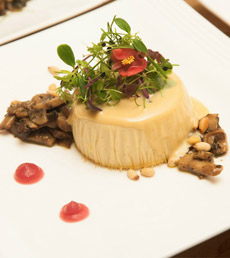
    [2] Special occasion savory custard, with sauced with foie gras cream. Although it’s fancier to unmold the custard, you can serve it in the ramekin (photo © James Beard Foundation).


    Comments off

    TIP OF THE DAY: Shishito Chile (Or Pepper Or Chile Pepper)

    Shishito Peppers
    Before cooking, bright green. Photo courtesy SpoonForkBacon.com.
     

    The shishito pepper is a relative newcomer to American cuisine. Finger-shaped, slender and sweet (not hot), it is growing in popularity as a snack, blistered on the stove top or grill.

    The shishito is named after its shape: The tip of the chili pepper was seen to resemble the head of a lion (shishi) and the word for chile is togarashi. Combine the words into shishitogarashi, which is often shortened to shishito (pronounced she-SHE-toe).

    Bred in Japan, this East Asian variety of the New World Capsicum annuum, like many chiles, is harvested when green. It would turn red if left to ripen on the vine (that’s the difference between green and red jalapeños).

    While shishitos are mild, every so often a hot one will surprise you. We found one estimate that heat can occur in one out of every ten chiles, the anomaly attributed by one botanist to “stress on the vine.” Think of eating shishitos as a fun game, “Shishito Roulette.” The winners gets an extra beer!

    The shishito is very similar to the Spanish padrón chile, in both looks and flavor. So if you can find the latter but not the former, use the information below and cook away.

     
    Where to find them? We found ours at Trader Joe’s, and have also seen them at farmers markets. If you garden, you can grow your own.

    HOW TO SERVE SHISHITO PEPPERS

    If you can make roasted or charred vegetables of any kind, you can cook shishito peppers.

  • Poke a tiny hole in each chile so they don’t burst from the build-up of hot air inside, or skewer them for grilling. We used a cake tester to poke a hole in the bottom cleft of each chile, although it won’t be visible after cooking so you can poke it anywhere.
  • Sauté the chiles in oil in a hot pan on the stove top, under the broiler, or on a grill. We used canola oil with a splash of dark sesame oil (it’s a strong flavor and you’ll want just a hint).
  • Turn the chiles frequently until they are blistered all over, 10 to 15 minutes. Because the walls of the shishito are thin, they cook quickly. When cooked, toss with a bit of salt and a squeeze of fresh lemon juice.
  • You can also roast them in an oven or toaster oven.
  • To eat, pick up a chile by its stem (but you won’t want to eat the stem). If you want to be elegant, use chopsticks or a fork.
  • Enjoy while hot; as they cool, the chiles lose their crispness.
  • If you want to add some spice, the ideal one is Japanese 7 Spice, shichimi togarashi. It’s a blend of black and/or white sesame seeds, dried nori seaweed, hot red pepper, ginger, orange peel and other ingredients such as hemp seed, poppyseed and white pepper. You can blend your own or buy it.
  •  

    WAYS TO SERVE SHISHITO PEPPERS

  • Appetizers and sides. Shishitos are popular in Japanese cuisine as appetizers, like edamame.
  • Deep-fried. If you like fried food, deep-fry them and serve with a wedge of lemon. (Go ahead, bring out the ketchup, too.)
  • Tempura. Serve as a tempura snack or as part of a tempura entrée.
  • With a beer. A match made in heaven.
  • With a yogurt dip. Blend 1 cup plain Greek yogurt, 3 tablespoons Dijon mustard and 1 to 2 teaspoons Sriracha or other hot sauce.
  • Sandwiches. Add a cooked shishito between the bread of a grilled cheese sandwich or pannini.
  • Breakfast. Slice and add the cooked chiles to an omelet or scrambled eggs, a good use for leftovers that are no longer crisp.
  • Salad. Ditto.
  • Side. Serve in medley with other roasted vegetables.
  •   shishito-peppers-nutmegnanny-230
    Cooked: delightful! Photo courtesy Nutmeg Granny, who sautés her shishitos in coconut oil. Here’s her recipe.
     
    IS IT “CHILE” OR “PEPPER?”

    Chiles were “discovered” in the Caribbean by Christopher Columbus, who called them “peppers” (pimientos, in Spanish) because of their fiery similarity to the black peppercorns with which he was familiar.

    However, there is no relationship between the two plants (or between chiles and Szechuan pepper, for that matter).

    “Pepper” is wrong, but in the U.S., it seems to have taken over. Some people use “chile pepper,” a bit of a correction.

    The term “pepper” is not used in Latin America. There, the word is chili, from chilli, the word in the Nahuatl language of the Aztecs.

    But, we’d rather hear the partially incorrect “chile pepper” than the totally incorrect wrong “pepper.”

    Here’s more on the history of chiles.

    Is It Chile, Chili or Chilli?

    The original Nahuatl (Aztec) word is chilli. The conquering Spanish spelled it chile.

    In the U.K., chilli is the popular spelling. In the U.S., many people use chili, a seeming middle ground between chilli and chile.

    The choice is yours. We choose “chile” because it’s the spelling by which Europeans were introduced to the chilli.

    How many types of chiles have you had? Check them out in our Chile Glossary.


    Comments off

    TIP OF THE DAY: Roasted Peach & Chicken Salad

    Chicken Salad Grilled Peaches
    Inspired feasting: grilled chicken salad with
    grilled peaches. Photo courtesy Good
    Eggs.
     

    There are so many ways to approach an entrée salad. This suggestion, from our favorite artisan grocer, Good Eggs of San Francisco, combines grilled proteins with grilled fruit. (They can be oven-roasted instead.)

    Good Eggs also suggests that instead of an all-green salad, you add whole grains for fiber, texture and flavor.

    Grilled or roasted, the season’s peaches add a wallop of sweet juiciness to a salad. If the peaches in your store aren’t great, you can substitute apricots, mangoes, pluots or nectarines (all are stone fruits like peaches; see details below).

    We happened to have some beautiful red rice from Lundberg on hand, and used it in our first version of this recipe (a hit!).

    RECIPE: GRILLED CHICKEN SALAD WITH PEACHES &
    WHOLE GRAINS

    Ingredients For 4 Servings

  • 4 boneless chicken breasts
  • 2 peaches, ripe but still firm
  • 1 cup whole grains (see list below)
  • 2 cups mixed greens (we include 1/3 cup spicy greens like
    arugula and watercress, or radishes)
  • Optional: 3-4 tablespoons basil, cilantro and/or parsley,
    chopped
  • For The Dressing

  • 1 cup plain Greek yogurt
  • 1 clove garlic, minced
  • 2 tablespoons extra-virgin olive oil
  • 1/2 teaspoon sumac or za’atar, or a combination of lemon zest and crushed red pepper flakes (more about sumac and za’atar)
  • Optional: minced herbs (some of what you use in the salad)
  • Salt and pepper to taste
  •  
    For Serving

  • Crusty bread
  • Olive oil for dipping, seasoned per taste*
  •  
    *Use infused olive oil (basil, garlic, rosemary, etc.) or season your own with dried herbs and spices.


    Preparation

    1. MAKE the yogurt dressing. Blend the ingredients and refrigerate to let the flavors meld. You can make this a day in advance. If the dressing is too thick at room temperature, thin it a tablespoon at a time with milk or plain kefir.

    2. GRILL the chicken breasts and sliced peaches, or roast them at 400°F, for 20 minutes. You can grill the bread at the same time. When cool enough to work with, shred or julienne the chicken.

    3. COOK the grains to al dente; you don’t want mushy grains with your crisp greens. While the grains are cooking, wash and pat dry the greens.

    4. TOSS and plate the chicken, cooked grains, salad greens and herbs. Garnish with the peaches. Pass the yogurt dressing.
     
    LIST OF WHOLE GRAINS

    Whole grains that are common in the U.S. include barley, buckwheat, bulghur, corn, oats, quinoa, rice (only colored rice, e.g. black, brown, red), rye, wild rice and whole wheat.

      /home/content/p3pnexwpnas01_data02/07/2891007/html/wp content/uploads/red quinoa spoon pour 230
    Read this if you need to be convinced of the benefits of whole grains. Photo of red quinoa courtesy Village Harvest.
     
    Whole grains that are less commonly used in the U.S. include amaranth, einkorn, farro/emmer wheat, freekeh, Kamut® Khorasan wheat, kañiwa (a cousin of quinoa), millet, sorghum, teff and triticale.

    Learn more about these grains at WholeGrainsCouncil.org.
     
     
    WHAT ARE STONE FRUITS?
    Stone fruits exist in two different botanical families. The temperate climate-based Rosales order, Rosaceae family, includes what we think of as European stone fruits plus almonds, pecans and walnuts. The tropical/subtropical-based order Sapindales, family Sapindaceae, includes familiar fruits, nuts and spices such as cashew, lychee, mango, mastic, pistachio and sumac.

    Stone fruits from the Rosaceae family are members of the Prunus genus, and include apricots, cherries, nectarines, olives, peaches, plums, and cherries and cross-breeds such as apriums, plumcots and pluots.

    A stone fruit, also called a drupe, is a fruit with a large, hard stone (pit) inside a fleshy fruit. The stone is often thought of as the the seed, but the seed is actually inside the stone.

    In fact, almonds, cashews, pecans and walnuts are examples of the seeds inside the stones. They’re also drupes, but a type in which we eat the seed inside the pit instead of the surrounding fruit.

    Not all drupes are stone fruits. The coconut is also a drupe, as are bramble fruits such as blackberries and raspberries. June through September is prime stone fruit season in the U.S.

    Enough botany for you?
      

    Comments off


    © Copyright 2005-2026 Lifestyle Direct, Inc. All rights reserved. All images are copyrighted to their respective owners.