THE NIBBLE BLOG: Products, Recipes & Trends In Specialty Foods


Also visit our main website, TheNibble.com.

RECIPE: Meyer Lemon & Ginger Pound Cake

Make a pound cake even more delicious with
Meyer lemon juice. Photo courtesy
Melissas.com.

  Bursting with delicious Meyer lemon flavor and a sizzle of ginger, this pound cake is delicious and easy to make for Mother‘s Day. The recipe is courtesy of Melissas.com, purveyors of fine produce.

Bake this cake in a 4-5 cup nonstick loaf pan. Serves 6.
MEYER LEMON & GINGER POUND CAKE RECIPE

Ingredients

  • 3 tablespoons ginger root, peeled and chopped
  • 1 cup sugar
  • 1 cup all-purpose flour
  • 1 teaspoon baking powder
  • 1/4 teaspoon ground ginger
  • 1/4 teaspoon salt
  • 1/4 cup whole milk
  • 1/2 teaspoon vanilla
  • 1 stick unsalted butter, softened
  • 2 tablespoons Meyer lemon zest
  • 2 large eggs
  • 2 tablespoons Meyer lemon juice
  •  

    Ingredients For The Glaze

  • 1/2 cup confectioners’ sugar
  • 1-1/2 tablespoons Meyer lemon juice
  • Optional garnish: whipped cream
  •  

    Preparation

    1. PREHEAT oven to 325°F. Generously butter pan, then flour it, gently tapping out excess. Chill 10 minutes.

    2. FINELY GRIND together fresh ginger and 1/4 cup sugar in a food processor (mixture will be wet).

    3. WHISK together flour, baking powder, ground ginger, and salt. Stir together milk and vanilla in a small bowl.

    4. BEAT together butter, remaining 1/2 cup plus 2 tablespoons sugar, and zest in a large bowl with an electric mixer, until fluffy. Add eggs 1 at a time, beating well after each addition.

     
    Meyer lemon. Photo courtesy Melissas.com.
     
    5. ALTERNATIVELY ADD flour and milk mixtures to butter and eggs in 4 batches, beginning with flour and mixing at low speed until each batch is just incorporated. Mix in ginger sugar until just combined, then lemon juice.

    6. SPOON batter into pan, smoothing top. Bake in middle of oven until golden brown on top and a tester inserted into center comes out clean, about 40 minutes. Carefully loosen edges with a knife and immediately invert cake onto a rack to cool completely.
    7. MAKE the glaze. Gradually add confectioners’ sugar to 1 tablespoon lemon juice, whisking until smooth. Add more juice, 1 drop at a time, if glaze is too thick. Drizzle decoratively over top of cake. Serve with a side of whipped cream.

     
    ABOUT MEYER LEMONS
    Once grown only as an ornamental garden lemon and frequently found only at farmers’ markets, the Meyer lemon has slowly graduated into commercial production. Unlike its two popular counterparts, the Eureka and Lisbon lemons, the Meyer lemon has mild, sweet, juicy flesh.

    Although too tart to eat out-of-hand, Meyer lemons are beloved by chefs for flavoring both savory and sweet dishes. Use Meyer Lemons as a low calorie seasoning on fish, poultry, vegetables and fruit desserts. The juice is a fresh alternative to high fat salad dressings and sauces.

    As with other lemons, Meyer lemon juice retards browning on cut avocados and apples, while vegetables like potatoes, cauliflower and turnips will stay white when cooked in water accented with lemon juice.
     

    SEE THE DIFFERENT TYPES OF LEMONS.


    Comments off

    TIP OF THE DAY: Buy A Fair Trade Product For World Fair Trade Day


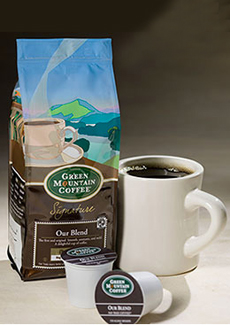
    Look for a small Fair Trade logo that
    identifies fairly traded products. Photo
    courtesy Green Mountain Coffee.
     

    Today’s tip is to purchase a Fair Trade product. May 11th is World Fair Trade Day.

    Fair Trade is a practice that seeks to aid economically challenged, small-scale farmers around the world. Many of them labor in poverty to produce the cacao, coffee beans and other crops we take for granted. Because of the “system,” they often earn less than it costs to produce the crop.

    While America’s small farmers often endure severe economic hardships, American children go to school and families have access to public health care and other assistance. In third world countries, however, these “essentials” can be hard to come by. And since school is not mandatory in certain countries, many children instead work in the fields to contribute to the household income.

    Why is the situation so bleak? Most small family farmers live in remote locations and lack access to credit, so they are vulnerable to local middlemen who offer quick cash for their crops, at a fraction of their value.

     
    Fair Trade guarantees farmers a set minimum price for their crops, which covers the cost of production and some profit. It links farmer-run cooperatives directly with U.S. importers (who in turn sell to manufacturers/packagers), cutting out middlemen and creating the conditions for long-term sustainability.

    Through Fair Trade, farmers and their families earn better incomes for their hard work. This allows them to hold on to their land, keep their children in school and invest in the quality of their harvest.


    WHAT YOU CAN DO TO HELP: BABY STEPS

    Use your purchasing power to make an impact on the lives of small farmers and their families.

  • Find A Retailer. While your main supermarket may not carry Fair Trade products, check at your natural products retailer or local food co-op. Chains such as Whole Foods Market, Sprouts Farmers Markets and Earth Fare are supporters of the movement.
  • Make One Product Switch To Fair Trade. It could be your coffee, your chocolate chips, your honey. Beans and grains, cocoa, coffee, fruits and vegetables, honey, nuts and seeds, sugar and tea are all fairly traded.
  •  
    THE FAIR TRADE MOVEMENT
    Certified Fair Trade products now comprise a multi-billion dollar industry, with over 10,000 products in the marketplace. Consumer demand for fairly traded products has steadily risen over the last decade, thanks to the tireless work of dedicated advocates and advocacy organizations, committed companies and student activism.

     
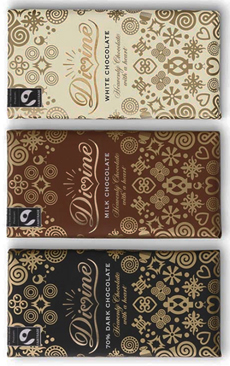
    Fairly traded chocolate is delicious. Photo courtesy Divine Chocolate.
     

    Fair Trade is a business practice that protects the environment while improving livelihoods.
    The fair trade movement, which includes different certifying agencies, has a vision of a world in which justice and sustainable development are at the heart of trade structures and practices, so that farmers can maintain a decent and dignified livelihood. Read more about it at FairWorldTradeProject.org.

    You’ll see different logos on Fair Trade products: There are many organizations around the world dedicated to the promotion of fair trade and its values. In North America, the leading organizations are the Fair Trade Federation (FTF), TransFair USA, and the Fair Trade Resource Network.

    Internationally, the big names are World Fair Trade Organization and FLO International. Here’s more about Fair Trade certifying agencies and the logos to watch for.

    Thanks in advance for pitching in this great cause.
      

    Comments off

    RECIPES: 1920s Cocktails, Part 2


    The tall, cool Southside cocktail. Photo
    courtesy Tanqueray Gin.
      Yesterday we presented three of the most popular cocktails of the 1920s, including the Gin Rickey, the French 75 and the Martini. Prohibition was in effect from 1920 through 1933, so Jazz Age cocktails were made with bootleg liquor.

    While President Woodrow Wilson vetoed the National Prohibition Act (informally known as the Volstead Act), his veto was overridden by the House and the Senate.

    Prohibition became law on October 28, 1919, as the 18th amendment to the United States Constitution.

    The amendment prohibited the production, sale and transport of “intoxicating liquors,” although it did not define what “intoxicating liquors” might be.

    Prohibition became effective at midnight on January 17, 1920.

    Rather than turn America into a more decent society, it engendered disrespect for the law and the rapid growth of organized crime. By 1933, public opposition to Prohibition had become overwhelming.

     
    In February 1933, a proposed constitutional amendment to repeal Prohibition was introduced. In December, Utah became the 36th state to ratify the 21st Amendment, which repealed the 18th Amendment and restored control of alcohol to the individual states. Today, there are no completely dry states in the country, although there are some dry counties.

    Why did Prohibition become law in the first place? In the first two decades of the 20th century, America was a church-going, God-fearing culture. The Temperance Movement was instrumental in generating negative feelings about alcohol. By 1916, legal prohibition was already in effect in 26 of the 48 states.

    The history lesson is over; how about some cocktails?


    SOUTHSIDE COCKTAIL RECIPE

    The Southside was the signature cocktail at New York’s legendary 21 Club, a former speakeasy. It’s also said to have been the favorite drink of notorious Prohibition-era bootlegger Al Capone and his gang, whose home turf was the south side of Chicago.

    Ingredients Per Drink

  • 1.25 ounces gin
  • .5 oz lime juice
  • .5 oz simple syrup
  • 2 sprigs of mint
  • Crushed ice
  • Soda water
  •  
    Preparation

    1. MUDDLE one mint sprig with lime and simple syrup. Add gin and shake well.

    2. POUR into a collins glass over crushed ice and stir until the outside of the glass frosts. Top with soda and garnish with sprig of mint.


    The White Lady cocktail—probably not a favorite among gentlemen. Photo courtesy Tanqueray Gin.

     
    WHITE LADY COCKTAIL RECIPE
    Introduced in the late 1920s, the White Lady was a variation of a gin cocktail called the Delilah, which used crème de menthe. The Savoy hotel’s barman, Harry Craddock, replaced the mint with orange liqueur and the White Lady became an instant classic. (The Savoy hotel is in London; there was no prohibition in the U.K.)

    Ingredients

  • 1.5 ounces gin
  • .75 ounce orange liqueur
  • .75 ounce fresh lemon juice
  •  
    Preparation

    Pour all of the ingredients into a shaker, fill with ice, shake and strain into a chilled coupe glass.

    FIND MORE OF OUR FAVORITE COCKTAIL RECIPES.


    Comments off

    RECIPE: Spring Salad


    A delicious spring salad. Photo courtesy
    LearnToCook.com.

      Make hay while the sun shines; ditto with the fleeting vegetables of spring.

    What makes this a spring salad? Seasonal ingredients, including asparagus and green peas. The recipe, from LearnToCook.com, serves 4. The warm tomato vinaigrette can be used with any green salad, any time of the year.
    RECIPE: FRESH PEA & ASPARAGUS SPRING SALAD

    Ingredients

  • 1 pound asparagus, trimmed
  • 1-1/2 cups baby greens mix, washed and dried
  • 1/2 small head bibb or butter lettuce, washed and dried
  • 3/4 cup fresh shelled peas
  • 3 tablespoon chives, chopped
  • 1 tablespoon parsley, chopped
  • 1/4 cup Warm Tomato Vinaigrette (recipe below)
  • Bowl of ice water
  •  

    Preparation

    1. PEEL thick stemmed asparagus about halfway up stalk. Otherwise, remove white/light portion at end of stalk.

    2. SHELL the peas. Leave raw or blanch, if desired.

    3. BOIL salted water in a large pot. When boiling, add the asparagus. Cook until just tender, about 5-7 minutes. Drain and immediately put asparagus into ice water bowl. Leave for a couple minutes and drain again. Lay on a dishtowel and dry. Cut the asparagus in half or in thirds. OPTIONAL PREPARATION: We steamed the asparagus in the microwave.


    4. COMBINE the lettuces, chives and parsley in a large bowl. Pour up to half the vinaigrette over the greens. taking care not to drench them in dressing (less is more).

    5. ADD the peas and asparagus. Toss with the salad. If needed, add a little more dressing; season with salt and pepper. Serve.
     
    WARM TOMATO VINAIGRETTE

    Ingredients

  • ¼ cup olive oil
  • ¼ cup shallots, minced
  • 1 cup tomatoes, peeled, seeded and diced
  • ¼ cup red wine vinegar
  • 1 clove garlic, minced
  • 2/3 cup dry white wine
  • Salt
  • Freshly ground black pepper
  • 1 to 2 tablespoons capers
  •  
    Fresh peas from the pod are heavenly, raw or cooked. Photo by Gaetan Lee | Wikimedia.
     
    Preparation

    1. HEAT the olive oil in a saucepan over medium high heat and add shallots. Turn the heat to low and cook until wilted, about 5 minutes. Do not brown.

    2. ADD ½ cup tomatoes and simmer 3 to 5 minutes. Add vinegar, garlic, wine, salt and pepper. Simmer another 15 to 20 minutes until reduced to a thick sauce.

    3. SEASON to taste and stir in remaining tomatoes and capers.

    4. SERVE warm on top of the salad.


    Comments off

    RECIPES: 1920s Cocktails, Part 1


    The Gin Rickey. Photo courtesy Tanqueray
    Gin.
      The latest version of “The Great Gatsby” opens in cinemas today, begging the question, what did Gatsby serve at those wild parties?

    We know from the novel that Gatsby was a bootlegger. In the summer of 1922, when novel is set, Prohibition was two and a half years old. (Read this delightful article on Jay Gatsby by Kevin Roose, who explores how Gatsby made his money and whether author F. Scott Fitzgerald may have attributed more wealth to him than he could actually have had.)

    Aside from the Gin Rickey, the novel doesn’t mention what else people were drinking at those weekend-long extravaganzas. But given the popular cocktails of the Prohibition Era, Tthe Martini and the French 75 most certainly would have been on the menu.

    So get your cocktail shaker ready and mix up your own Jazz Age cocktail menu for Mother’s Day. This is Part 1; Part 2 presents two more 1920s cocktails, the South Side and the White Lady.

    Below:

  • Gin Rickey
  • French 75
  •  
    These recipes are courtesy of Tanqueray Gin. Despite an abundance of bootleg liquor and “bathtub gin,” it’s rumored that the social set continued to enjoy top shelf imported gins like Tanqueray, delivered via cases that were unloaded offshore and floated to islands just off the U.S. coastline.

    GIN RICKEY RECIPE

    Why did the Gin Rickey alone get mentioned in “The Great Gatsby?” It is said to have been the preferred pour of F. Scott Fitzgerald. It’s a wonderful warm weather drink.

    Ingredients Per Drink

  • 1.25 ounces gin
  • 1 ounce fresh lime juice
  • 5 ounces soda water
  • Ice cubes
  • Lime wedge
  •  
    Preparation

    1. Build in a highball glass with ice. Stir and top with soda water.

    2. Garnish with a lime wedge.


    FRENCH 75 COCKTAIL RECIPE
     
    Made from gin, Champagne, lemon juice and sugar, the French 75 was created in 1915 by Harry MacElhone at the New York Bar in Paris (later called Harry’s New York Bar). It was said to have such a kick that it felt like being shelled with the powerful French 75mm field gun, also called a 75 Cocktail or a Soixante Quinze. The French 75 was popularized in America at New York City‘s famed Stork Club.
     
    Ingredients

  • 1.25 ounces gin
  • .5 ounce simple syrup
  • .5 ounce lemon juice
  • Champagne
  • Garnish: lemon peel
  •  
    Preparation

    1. Shake ingredients with ice in a cocktail shaker.

    2. Strain into a rocks glass and top with champagne. Garnish with a lemon peel curl.


    The French 75, a sparkler. Photo courtesy Tanqueray Gin.

     
    FIND MORE OF OUR FAVORITE COCKTAIL RECIPES.


    Comments off

    The Nibble Webzine Of Food Adventures
    RSS
    Follow by Email


    © Copyright 2005-2026 Lifestyle Direct, Inc. All rights reserved. All images are copyrighted to their respective owners.