THE NIBBLE BLOG: Products, Recipes & Trends In Specialty Foods


Also visit our main website, TheNibble.com.

FOOD FUN: Chocolate Covered Licorice

Here’s a fun idea we found on the Red Vines Facebook page: red licorice enrobed in white chocolate, drizzled with dark chocolate.

You can make them for Halloween. Simply melt white chocolate, dip licorice and dry on wax paper. When white chocolate has dried, drizzle with milk chocolate (use a squeeze bottle).

Licorice is a “healthier candy”: no cholesterol, no salt. Few Americans have grown up without sampling bags of Twizzlers or licorice ropes. But it started out as medicine!

THE HISTORY OF LICORICE
We know licorice as moderately firm, semi-firm gelled candy. But for thousands of years in ancient China, Egypt and Greece, it was a cure for stomach and respiratory ills, as well as a thirst remedy for travelers and soldiers.* The troops of Alexander the Great and the Roman legions used it. Even today, it is used as a homeopathic remedy to soothe irritated membranes and loosen congestion in the upper respiratory tract. It helps as an anti-inflammatory, with allergies and with the liver.


A “twist” on conventional licorice. Photo courtesy Red Vines.


Use of licorice has been documented for 3,000 years. Ancient Egyptians created a sweet drink from it. Large quantities of licorice root were found in the tomb of King Tut (1356 to 1339 B.C.E.) A popular version of the drink, called mai sus, is still enjoyed in Egypt.

The Caesars advocated licorice as a health remedy. Some 1800 years later, Napoleon Bonaparte chewed licorice for his ongoing digestive problems. Over time, his teeth turned black from the concentration of licorice juice. (You can chew on a piece of licorice root if you want the experience —just don’t make a habit of it.)

Licorice extract is made from the root of the licorice plant, Glycyrrhiza glabra. A member of the pea family that is native to southeastern Europe, licorice grows about four feet high with pretty bluish purple and white flowers that resemble sweet pea blossom. Although they have similar flavor notes, licorice is not related to the spices anise and star anise, the vegetable fennel or the spice tarragon. The relation is that all of these plants and spices contain anethole, an aromatic and sweet-tasting ether compound.
 
*According to Theophrastus, writing in the third century B.C.E., the Scythians were able to live for 12 days without water because they chewed on licorice root.


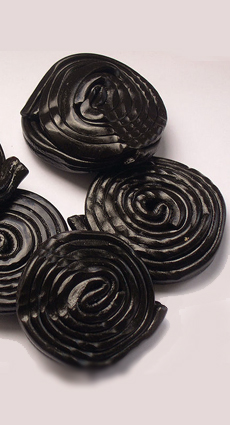
Black licorice wheels. Photo by Pikaluk | Wikimedia.
 

To make licorice extract or syrup, the dried root is boiled in water; then most of the water is evaporated. In addition to health remedies and confections, licorice is used in cooking to flavor broths, herbal teas, liqueur and soft drinks. The root can be chewed as a breath freshener. Before the widespread availability of affordable sugar, licorice was used as a sweetener (glycyrrhizin, a component of licorice, is 50 times sweeter than table sugar but also carries with it the strong licorice flavor).

LICORICE FACTS

  • Around 1500, licorice arrived in Europe with crusaders returning from the Holy Land. Monks continued the homeopathic uses, which spread across Europe during the Renaissance.
  • Southern Europeans drank licorice tea, believed to be a “blood purifier.”
  • Dominican friars introduced licorice to England. At some point, some manufacturer began to add honey to the licorice. In the late Middle Ages, licorice pastilles cast in rough molds were widely available.
  • A monastery in Pointer, England, in Yorkshire, became popular for its licorice discs, stamped with a seal (for decor and branding) and known as “Pointer cakes,” launched in 1614. In 1760, as sugar became affordable, it was added to Pointer cakes, which ratcheted up the popularity of licorice considerably. Pointer Cakes are still manufactured in Pointer, England.
  •  

    LICORICE AS A CONFECTION

    At some point, licorice, sweetened with honey or sugar, took on a new purpose: candy. While licorice extract continued to be used for medicinal purposes, its sweet chewiness made it a popular treat.

  • Extruded licorice candy (in tubes and ropes) is believed to have originated in Holland at the beginning of the 17th century.
  • When the candy industry developed during the Industrial Revolution of the mid-1800s, licorice became one of the standard confections.
  • Today licorice can be found in the shape of animals (cats, cows, pigs, reindeer, Scotties), bites, coins, drops, jujubes, laces (also called lariats, ropes and vines), pipes, sandwiches (part of an allsorts mix), tubes, twists and wheels and animals.
  • Krapelien & Holm, a Dutch manufacturer, makes bears, beagles, cars, cats, cones, farm animals, honeybees, lighthouses, thumbs, strawberries and other shapes.
  •  
    So even if you don’t dip licorice sticks in chocolate, you can still have fun with it.

    WHY IS LICORICE PRONOUNCED LICORISH?

    The Scots pronounce it “licoriss,” from the Old French “licoresse.” In England and the U.S., it is “licorish.” Here are two theories as to why:

  • The phoneme may have shifted from /s/ to /sh/, as happened with the words “pressure” and “sugar.”
  • A 1685 spelling of “licorish” in England leads to speculation is that this pronunciation originated in a regional dialect of English, which changed many final “s” sounds to “sh.”
  •   

    Comments off

    TIP OF THE DAY: How To Cook Beans

    Beans are delicious, beans are healthful, beans are inexpensive protein, and we should all eat more beans.

    That’s beans made from scratch, not canned beans, which have a lot of sodium and a mushier texture. (But, let us hastily add: It’s better to eat canned beans than no beans).

    Beans can be added to green salads, served as sides with everything from breakfast eggs to dinner meats. They purée beautifully into dips (try this white bean dip recipe or this white bean bruschetta).

    But some people have trouble cooking beans. Here are tips from Steve Sando, proprietor of Rancho Gordo New World Specialty Food. Steve scours the Americas for the finest small-batch, artisan beans. Some are so beautiful, you just want to keep them as decoration in glass jars.

    SOAKING THE BEANS

    If your beans are taking forever and a day to cook, the first question to ask is whether you are soaking them or not. A good soak should last from four to eight hours or overnight.

    Soaking rehydrates the beans, which begin to lose their moisture as soon as they are harvested.


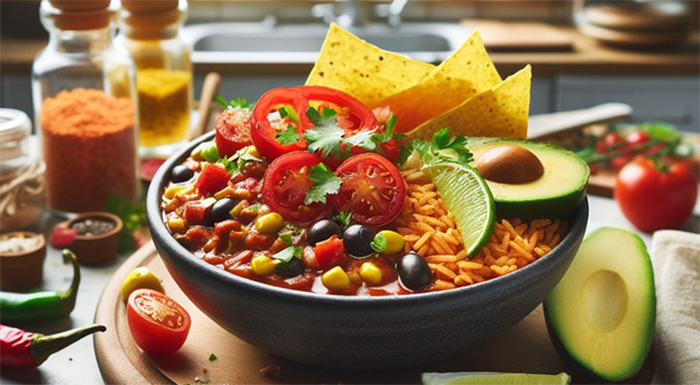
    Chili with beans. Photo courtesy Ninja Kitchen.

     
    Fresh-harvested beans can be cooked without soaking. Otherwise, you need to reintroduce moisture so the beans will cook faster. When rehydrated, the beans will double in size.

    Some people have a magical situation where they don’t need to soak their beans, yet they still cook in a reasonable amount of time. But if you have planned ahead and have the time, by all means soak your beans. In addition, soaked beans generally have a more pleasant texture when cooked.

    The big question is whether or not to change the soaking water prior to cooking. Old timers insist on changing the water, which gets rid of the water-soluble oligosaccharides that can cause gas.

    But you are also tossing out vitamins, minerals and pigments. As Harold McGee says in his seminal work, On Food and Cooking, “That’s a high price to pay.” If gas is really an issue (and from what we hear, and we hear it all, it isn’t), try cooking your beans for longer—or pick up some Beano.


    Warm Tuscan white bean salad with lemon-
    vinaigrette. Here’s the recipe. Photo courtesy
    McCormick.com.
      THE INITIAL RAPID BOIL

    More than anything, advises Steve Sando, this is the key to how long beans cook. Whether you are using the soaking water, new water, aromatic broth or some combination, you want to bring the beans and liquid to a full-on boil.

    Then, boil for 10 minutes (15 minutes for big, starchy beans or varieties known to take a long time to cook). Then turn the heat to low and allow the beans to cook at a very gentle simmer.

    After one hour, check the beans for doneness. Depending on age, size and variety, beans can take anywhere from an hour to three hours to cook through. Add more water as needed to keep an inch of water on top of the beans; stir occasionally.

    Low and slow is the way to go. If you’re short on time, you can increase the heat to a gentle boil, but you will compromise the texture of the beans.


    TROUBLE SHOOTING

    Salt: If you’re having persistent trouble getting your beans to cooking, refrain from adding salt or acids until the beans are soft. It may be an old wives’ tale, but it helps some people.The best time to add the salt is when the beans are al dente.

    Adding baking soda: The alkaline in baking soda can help break down tough beans, but it can also make the beans feel slimy or soapy. Steve doesn’t recommend it, but does suggest Sal Mixteca (Mixteca salt), which is naturally high in bicarbonates that will actually soften your beans. Just a bit at the beginning of cooking will speed things up if you’re having trouble. It’s like the old trick of adding baking soda, but without the off taste and texture.

    Water: The problem might be your water, if you have especially hard water. The solution: Buy a water filtration system (like Brita) and use the filtered water for soaking and cooking.

    EASY RECIPE: BEANS ON TOAST

    Readers of British mysteries will find frequent mentions of “beans on toast,” a common breakfast, lunch or dinner item.

    “I’ve heard that the British love beans on toast, only it’s usually canned beans [in tomato sauce] on plebian white toast,” says Steve Sando. “Here’s my version:”

  • Toast a piece of rustic bread and lightly butter it.
  • Generously pile on hot cooked beans. Any good bean will do, including leftovers.
  • Finally, drizzle the finest olive oil over them.
  •  
    Finish with herbs or other seasoning, from diced onions to shaved Parmesan cheese or sliced sausage. Serve with a side of pickles.
      

    Comments off

    PRODUCT: Oregano Indio From Mexico

    If you’ve traveled to Mexico and enjoyed the cuisine, you can find most of the ingredients you need to recreate the recipes back home.

    But there’s often a certain something that’s missing. Steve Sando, proprietor of Rancho Gordo specialty foods, believes it’s the different oreganos of Mexico. “Each one seems a little different,” says Steve, “but they all seem a little earthier than their European [counterparts].”

    Rancho Gordo now imports Oregano Indio, also known as Oreja de Raton, or Mouse’s Ear. It is grown by the Oregano Caxtle Cooperative in Tlahuitelpa as part of the Rancho Gordo-Xoxoc Project that helps small farmers in Mexico to continue to grow their indigenous foods.

     
    Treat yourself to more exciting oregano. Photo courtesy Rancho Gordo.
     
    “It’s less citrussy than the standard Mexican oregano,” says Steve, “but there’s an indescribable [difference] that makes it infectious. I just can’t stop using it on almost everything.”

    Customers agree, with comments like “amazing stuff” and “very complex flavor.”

    Steve advises to leave a bowl out for inspiration in the kitchen: Rub it into any meat or fish; add it to salsas, marinades, salsas, soups and stews; add to eggs, beans, Greek yogurt and of course, to Mexican recipes.

    In addition to perking up “all sorts of salsas,” Steve mixes the oregano with garlic and olive oil as a rub over pork tenderloin. “The flavor of the oregano is strong but not overpowering,” he explains, “and permeates the whole loin.” He also adds it to a salad dressing of olive oil and pear vinegar; you can also use pear balsamic vinegar.

    At $3.95 for a half-ounce glass jar or a two-ounce plastic bag, Oregano Indio is easily affordable. Consider the jars as stocking stuffers or party favors. They’ll be appreciated by both people who like to cook and people who order a lot of pizza.

    Get yours at RanchoGordo.com.


    Comments off

    TIP OF THE DAY: Bloody Mary Drink Bar & Snacks Bar


    Here’s how we’d customize a spicy Bloody
    Mary. Photo courtesy Arch Rock Fish
    Restaurant | San Diego.
      This has been a week of food bar suggestions for entertaining:

  • Breakfast/Brunch Food Bars
  • Lunch/Dinner Food Bars
  • Dessert Food Bars
  •  
    Today we conclude with two ideas for a drinks bar and accompanying snacks.

    FOOD BAR IDEAS: BLOODY MARY BAR

    You have to think twice about a “mix your own” cocktail bar. Guests tend to over-pour, using too much liquor with resulting tipsiness, mess and expense. You have to “limit the exposure.”

    Instead, pre-mix the drinks in three versions: regular, spicy and virgin. Pre-rim the glasses with seasoned salt (see photo). The guests get to customize their garnishes. The most versatile cocktail to do this with is the Bloody Mary.


    Garnish with:

  • Pickled Vegetables: cocktail onions, cucumber pickles, dilly beans, gherkins, peppadew, pepperoncini, pickled asparagus, pickled carrots.
  • Vegetables: celery, cherry tomatoes, cucumber slices, fennel, green onion, snap peas.
  • More: bacon, cilantro, lemon/lime wedges, olives, parsley, shrimp.
  • Provide condiments for those who want to amp up the cracked pepper, horseradish, hot sauce and/or Worcestershire sauce.
     
    LEMONADE BAR

    A lemonade bar can appeal to kids and adults—especially when adults have the opportunity to add a shot to their drinks. In contrast to our earlier advice about letting people “mix their own,” this is a controlled situation where, at the end of the bar, people can add an optional shot. (Be sure to provide shot glasses for portion control.)

    Lemonade isn’t just for summer: Lemons are plentiful year-round, and lemonade fits in wherever cold drinks are served.

    Provide pitchers of both sweetened and unsweetened lemonade, so those who prefer noncaloric or low-glycemic sweeteners can sweeten their own.

    Or, you can make all of the lemonade unsweetened, and provide different syrups (with pumps!): simple syrup and two fruit-flavored syrups.


  • Fruit Juice: pomegranate juice; blueberry, peach, raspberry or strawberry purée.
  • Heat: Cayenne pepper and/or fresh ginger slices.
  • Herbs & Spices: basil, ginger, lavender, mint, rosemary, thyme.
  • Iced Tea: for an Arnold Palmer, regular and passion fruit tea.
  • Spirits: gin, tequila and/or vodka; Limoncello.
  • Sweeteners: agave, honey, non-caloric sweetener, simple syrup.
  • Garnishes: berries, cherries, lemon wheel, mint leaves, watermelon cubes.
  •  
    Don’t forget the ice!
     
    ICED TEA BAR

    While lemonade is more versatile for customizing, an iced tea bar can work just as well. Provide pitchers of brewed, unsweetened black, green, herbal and flavored iced teas with your choice of fixings from the Lemonade Bar menu, above.

     
    Customized peach lemonade. Photo courtesy Stasty.com.
     
    Yes, do include lemonade for those Arnold Palmers!

    How about some snacks with those drinks?

    Create a customize-your-own-snack bar.
     
    FOOD BAR IDEAS: SNACKS

  • Candy Bar: This is a make-your-own party favor concept. You supply candy bags or boxes and guests fill it with their favorites. This is a nice way to end an event, too, by letting guests create their own party favor. Miniatures are perfect for this concept: individually wrapped, they keep things neat.
  • Popcorn Bar: Provide plain corn, cheese corn and kettle corn with savory and sweet mix-ins. Consider candy corn, Chex, chili flakes or cayenne, crumbled bacon, dill, chocolate chips, flavored oils (chili, garlic, truffle), grated Parmesan, gummies, jalapeño chips, M&Ms, mini marshmallows, mini peanut butter cups, mini pretzels, peanuts, pumpkin seeds, raisins/Craisins, Reese’s Pieces, shredded Cheddar, etc.
  • Trail Mix Bar: Provide sandwich bags or snack bags so people can blend their own, from a selection of raisins and other dried fruits, nuts, sunflower or pumpkin seeds, pretzel or sesame sticks, candy (chocolate chips, M&Ms, Reese’s Pieces and seasonal choices like candy corn or jelly beans), breakfast cereals (Cheerios, Fruit Loops). Check out our full list of trail mix ingredients.
  •  
    Now: Pick a date and start pulling together the guest list.
      

    Comments off

    TIP OF THE DAY: DIY Food Bar Part 3: Desserts


    A simple creation from a s’mores bar.
    Photo courtesy Tastefully Simple.
     

    Over the last two days, we’ve covered breakfast food bars and lunch/dinner food bars.

    Today: ideas for dessert food bars. We conclude tomorrow with snacks and drinks.

    Check out these 21 food bars.
     
     
    FOOD BAR IDEAS: DESSERT & SNACKS

  • Cake Bar: Angel cake, bundts, cheesecake, or loaf cakes (easiest to slice—carrot cake, chocolate cake, pound cake) with dessert sauces (caramel sauce, fudge sauce, strawberry sauce), whipped cream and garnishes (berries, crushed Oreos, nuts).
  • Caramel Apple Bar: see our separate article.
  • Cookie Bar: Offer large or small cookies (chocolate, oatmeal, sugar, etc.) with fillings and frosting, plus garnishes (candies, chocolate chips, chopped nuts, sprinkles)
  • Cupcake Bar: Set out frosted cupcakes, or have a frost-your-own option with different frostings. Garnishes: banana chips, berries, candied bacon, candies (chocolate curls, crushed toffee, mini chips, seasonal candy), edible flowers.
  •  

  • Pie Bar: A selection of pies—apple, berry, chocolate cream, custard, pumpkin, e.g.) with dessert sauces (caramel sauce, custard sauce), whipped cream, and garnishes (crystallized ginger, fresh fruit).
  • S’mores Bar: Regular and chocolate-covered graham crackers, regular and flavored marshmallows, different chocolate (bittersweet, milk, white, flavored—like chipotle chocolate), marshmallow creme (here are more ideas for a s’mores party).
  • Sorbet Bar: A lighter way to go after a heavy main meal, sorbet is cholesterol-free, lactose-free, and vegan. Offer different flavors with berries, coconut chips, crushed pineapple, diced melon, fruit sauce (puréed berries, mango, etc.), gummies, granola, pistachios, or slivered almonds.
  • Sundae Bar/Banana Split Bar: Different flavors of ice cream with your choices of everything above!
  •  
    Are you ready to throw a party? Follow up a lunch or dinner food bar with a dessert food bar, or simply do one. Either way, it will be memorable.


    CHECK OUT WHAT’S HAPPENING ON OUR HOME PAGE, THENIBBLE.COM.


    Comments off

    The Nibble Webzine Of Food Adventures
    RSS
    Follow by Email


    © Copyright 2005-2026 Lifestyle Direct, Inc. All rights reserved. All images are copyrighted to their respective owners.