THE NIBBLE BLOG: Products, Recipes & Trends In Specialty Foods


Also visit our main website, TheNibble.com.

TIP OF THE DAY: Good Carbs Vs. Bad Carbs

March is National Nutrition Month, so we’re opening with a mini-tutorial on carbohydrates.

Most people will concur that “carbohydrates are bad for you.” But just as there are good oils and bad oils, there are healthful and bad carbs.

COMPLEX CARBS = GOOD CARBS

“Good carbs,” more scientifically called complex carbohydrates, are important in your diet. Their chemical structure and density of fiber require the body to work harder to digest them, so energy is released over a longer time (this is the definition of “low glycemic”). They are:

  • High in fiber, vitamins and nutrients—“nutrient dense,” meaning more nutrients per calorie
  • Low glycemic
  • Higher satiety (help you feel full with fewer calories)
  • Naturally stimulates the metabolism
  •  
    For the most part, good carbs are consumed in their “natural” state or close to it. They include:


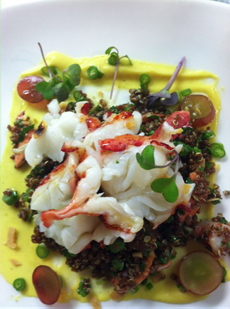
    quinoa-lobster-davidburkekitchen0-230

    It’s easy to add good carbs to every meal—even in dishes more humble than lobster on quinoa. Photo courtesy David Burke Kitchen.

  • Beans and legumes
  • Fresh and dried fruits
  • Green vegetables
  • Whole grains (i.e. natural cereals): barley, brown rice, oats, quinoa, etc., including whole grains breads, cereals and pastas (see the full list of whole grains below)
  • Consume three to five portions of them daily.
     

    SIMPLE CARBS = BAD CARBS

    Now for the bad news. Many of the foods that are staples of the American diet are bad carbs. They are calorie-dense, not nutrient-dense. They include:

  • Refined flour: white flour biscuits, crackers, bread, pasta and pizza crusts; all white flour baked goods (which is the vast majority of cake, cookies and pastry), pretzels
  • Sugared foods: barbecue sauce (and other sauces), candy, desserts, flavored yogurt, fruit juice, jam, ketchup, soft drinks, sugared cereals and many prepared foods (read the ingredients label)
  • Sweeteners: brown sugar, beet sugar, cane juice, cane sugar (table sugar), confectioners’ (powdered) sugar, corn syrup, fructose, glucose, high fructose corn syrup, honey, invert sugar, lactose, maltose, malt syrup, maple syrup, molasses, monosaccharides, raw sugar, sugar cane syrup, sucrose, turbinado
  •  
    Why are these carbs bad? They’re:

  • Empty calorics that convert to fat
  • Low in fiber and nutrients (calorie-dense, as opposed to nutrition-dense like good carbs)
  • High glycemic (bad for pre-diabetics and diabetics)
  • The high blood glucose levels generate fatigue
  •  

    6-15-07 200
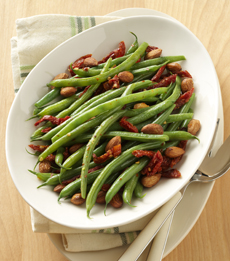
    Green veggies are a great source of complex
    carbs, as well as other nutrition. This dish
    can be served hot or with vinaigrette, as a
    salad. Photo courtesy Ziploc. Here’s the
    recipe.
     

    WHOLE GRAINS: CHECK THE LIST

    Here’s an exercise for National Nutrition Month. The list below contains whole grains, some of which may not be familiar names. But they are available in natural foods stores and they are all delicious.

    1. PRINT out the list below and put a check at the left side of each whole grain that’s part of your weekly diet. Use one check mark for each time you consume the grain during an average week.

    2. REVIEW all the others, and select five whole grains you’d like to try. Check those grains on the left side of the list.

    3. BUY those new whole grains and plan to try at least one over the next five weeks.

    4. WORK more of the whole grains you already use into your meal plans. Replace potatoes and white rice.


  • Amaranth
  • Barley (but not pearled barley)
  • Buckwheat (Kasha)
  • Bulgur (cracked wheat)
  • Chia/salba®†‡
  • Corn (whole Grain corn or cornmeal, yellow or white*
  • Farro (emmer wheat)
  • Flaxseed‡
  • Grano
  • Hemp
  • Kamut® (Khorasan Wheat)†
  • Millet
  • Oats (oatmeal, whole or rolled oats)
  • Popcorn
  • Quinoa
  • Rice: black, brown, red, wild
  • Rye (whole)
  • Spelt
  • Sorghum
  • Teff
  • Triticale (barley/wheat hybrid)
  • Whole wheat
  • Wild rice
  •  
    *Grits are refined and are not whole grains.
    †Salba is a trademarked name for chia. Kamut® is a trademarked name for khorasan wheat.
    ‡Chia and flaxseed are best used sprinkled onto foods or mixed into recipes for extra nutrition.

    HOW MUCH DO YOU NEED?

    Eat three or more servings of whole grain daily.

    The most recent Dietary Guidelines for Americans, released in January 2011, recommends that all adults eat at least half their grains as whole grains. That’s at least 3 to 5 servings of whole grains; children need a minimum of 2 to 3 servings.

    Yet, the average American eats less than one daily serving of whole grains; some studies show that more than 40% of Americans never eat whole grains at all.

    But you, an educated, concerned consumer/parent/whatever, can do the right thing!

    For more information, visit WholeGrainsCouncil.org.


    Comments off

    FOOD FUN: Surf & Turf Sushi & More

    While meat and seafood have been served at the same meal since since the dawn of plenty, and Diamond Jim Brady (1856-1917) consumed platters heaped with steaks and lobsters, the pairing known as surf and turf originated in 1960s America.

    It became the darling of American steakhouse menus, combining the two most expensive items on the menu: lobster (surf) and filet mignon (turf). It has its own food holiday, February 29th, National Surf & Turf Day.

    But we can’t wait until the next leap year, 2016, to share this treat: surf and turf sushi.
     
     
    SURF & TURF HISTORY

    The earliest earliest print reference found by FoodTimeline.org, our favorite reference source on the history of all things food, was published in the Eureka [California] Humboldt Standard of August 14, 1964:

    “An entrée in restaurants in Portland [Oregon] is called surf and turf—a combination of lobster and steak.”

    Some sources claim that the concept originated on the East Coast, based on a 1966 print citation newspaper article in the Miami News.

    The columnist says that the restaurant La Hasta has created the best thing since lox and bagels—surf and turf; and that on some weekends the management had to take the dish off the menu, since demand exceeded supply.

    Sorry, East Coasters: 1964 beats 1966.

    Yet a third claim from a food writer couple, without printed proof, that the same dish by the same name was served at the Sky City restaurant in the Seattle Space Needle, at the 1962 World’s Fair.

    That may be, but documentation is required. If anybody remembers it from the World’s Fair: Please raise your hand. There’s a bonus if you have the menu.

    Fun fact: The beef-seafood combo is called “Reef and Beef” in Australia.


    sushi-tenderloin-lobster-maki-tenprimesteakandsushi-230
    [1] Luxury sushi: a lobster-avocado maki topped with torched tenderloin, sweet eel sauce and a garnish of togarishi and rice crisps (photo © Ten Prime Steak And Sushi | Providence).


    [2] Salmon sushi topped with pork tenderloin at Sushi Seki in New York City (photo © Sushi Seki).


    THE NEW SURF & TURF

    The original may have been lobster and filet mignon; but as long as there’s something from the surf and something from the turf, you’ve got surf and turf! We “invent” a different combination for our monthly surf and turf dinner. The past year’s pairings have included:

  • Clam roll and a hot dog
  • Crab cake and lamb chops
  • Eggs Benedict with smoked salmon and Canadian bacon
  • Fish and chips with sliced sausage “chips” (heavy, but fun)
  • Fried oysters with a burger (make it edgier with a fish stick and tartar sauce)
  • Fried oysters with steak (or, garnish the steak with a raw oyster on the half shell)
  •  
    And now, we’ve discovered surf and turf sushi from Ten Prime Steak And Sushi in Providence.

    Our maki-rolling skills are rusty, but we’ll try it right after we master our March recipe, surf and turf meat loaf. (So far, ground chicken and whole baby scallops are the mix of choice.)


    [3] Surf & Turf Eggs Benedict: lobster and filet mignon (photo © Bonefish Grill).


    [4] A steak and lobster sandwich (photo © Sutter Home).


    MIX & MATCH

    You could fill every day of the year with a different option and not run out (and if anyone decides to start a restaurant based on that concept, send a hefty ideation fee here).
    Pick your favorite seafood and meats: crab cake, crab legs, scallops or shrimp with lamb chops or pork chops, for example.

  • Surf: any fish or shellfish. Think outside the lobster box to caviar/roe, clams, crab, crawfish, eel, escargot, grilled tuna, mussels, octopus, oysters, shrimp, squid, sushi/sashimi, uni (sea urchin). Grilled cod or halibut stand up well to beef and pork.
  • Turf: bacon (and the bacon group: Canadian bacon, prosciutto, serrano ham, etc.), beef, bison, exotics (boar, elk, ostrich), lamb, ham, poultry, pork in their many forms: grilled, roasted, ground, ribs, sausage, etc.
  •  
    And props to Allen Brothers, purveyor of prime meats to restaurants and the public, for the idea of creating the surf-topped filet mignon.

    The company topped filet mignon with a crown of lobster “stuffing” (chopped lobster, fresh herbs (try tarragon or thyme), scallions, cream, butter, sweet onions, bread crumbs and a touch of garlic), as well as a lump crab meat version with mozzarella, chopped spinach, garlic and rosemary.

    (You’ll have to make your own, though; the company has updated the product with new, non-surf, toppings.)

    Try your own hand at the new surf and turf and let us know your favorites.

  • Lobster roll and a chicken sausage, both in brioche buns
  • Oysters wrapped in bacon (an oldie, but still “surf and turf”)
  • Panko fried shrimp with chicken-fried steak (too much fried food for us)
  • Salmon or tuna grilled rare with rare filet mignon
  • Salmon tartare and steak tartare
  • Scallops with grilled lamb chop or pork chop
  • Shrimp and beef stir-fry (good but not as festive as the other variations)
  • Shrimp and poached chicken cocktail
  • Shrimp kabobs with grilled skirt steak
  • Shrimp tempura and pork tenderloin
  • Sliced grilled tuna and sliced breast of chicken
  •  
     
    WANT MORE?

    Check out these Surf & Turf ideas.


    Comments off

    Stuffed Peppers Recipe With Quinoa Or Other Grain

    wfm_stuffed-pepper-230
    [1] Stuffed peppers are a global favorite. Try this recipe stuffed with quinoa (photo © Whole Foods Market).

    Mediterranean-Style-Stuffed-Peppers-mccormick-230
    Peppers stuffed with lamb and feta (photo and recipe © McCormick).


    [3] Red and green bell peppers (photo © Burpee).


    [4] Sultanas (above) and slivered almonds (below) perk up almost any stuffed pepper recipe (photo © Faire).


    [5] Slivered almonds (photo © Murray’s Cheese).


    Stuffed peppers are enjoyed in cultures around the world. They’re a versatile food: for a first course, a light lunch or dinner or a side. You can stuff them with anything, including leftovers. And you can find them in “holiday colors,” from red and green for Christmas to purple, gold and green for St. Patrick’s Day.

    A large pepper* is hollowed out (removing the ribs and seeds), stuffed and baked. The same technique is applied to eggplant, tomatoes, zucchini and other vegetables.

    In more recent recipes, small stuffed peppers are served as hors d’oeuvre and snacks:

  • Baby bell peppers, cooked or raw, are stuffed with soft cheese or other ingredients.
  • Jalapeño poppers stuff the bite-size chiles with a mixture of cheese, spices, and sometimes ground meat; they are then deep fried (recipe).
  •  
    August 28th is National Stuffed Green Bell Pepper Day. But if you want to use orange, purple, red or yellow peppers, go right ahead.

    November is National Pepper Month.
     
     
    STUFFED PEPPERS AROUND THE WORLD

    Get inspiration for your own recipes from these:

  • India: Bharvan mirch stuffs bell peppers stuffed with cooked meat, potatoes and onions, seasoned with chili, cilantro, coriander, lemon juice and turmeric. Mirchi bajji, a street food, is a large green chile stuffed with a roasted, spiced flour mix, sometimes battered, and then fried.
  • Mediterranean: Greek food fans know that dolma are stuffed grape leaves; but peppers and other vegetables are stuffed in Armenia, Azerbaijan, Iran, Iraq and Turkey. In Greek yemista, bell peppers are stuffed and baked with a rice and herb filling. In Tunisia, filfil mahshi are stuffed with spiced rice and ground beef or lamb.
  • Mexico: Chiles rellenos are made with roasted green Pasilla or poblano peppers stuffed with queso fresco cheese and sometimes minced meat, covered in an egg batter and fried.
  • Scandinavia, The Baltic States & The Balkans: Peppers are stuffed in a way familiar to Americans, with ground beef or pork, rice, vegetables and spices. In Bulgaria, stuffed peppers are usually eaten with yogurt.
  • Spain: Pimientos rellenos, a Basque specialty, stuff piquillo peppers with cod in a béchamel sauce, ground beef or Manchego cheese.
  •  
     
    RECIPE: MEDITERRANEAN STYLE STUFFED PEPPERS

    The delicious stuffing features ground beef, brown rice, golden raisins and almonds seasoned with flavorful, aromatic spices.

    The recipe (photo #2) is also different because it slices the peppers in half, vertically, rather than cutting off the top (photo #1) to create a deep dish.

    Prep Time is 10 minutes, cook time is 1 hour, 15 minutes.

    Ingredients For 8 Servings

  • 2 teaspoons rosemary leaves
  • 1 teaspoon ground cinnamon
  • 1 teaspoon oregano Leaves
  • 1/2 teaspoon sea salt
  • 1 pound lean ground beef or lamb
  • 1 can (14 ounces) tomato sauce
  • 1/3 cup golden raisins (sultanas—photo #4)†
  • 1/4 cup toasted slivered almonds (photo #5)
  • 1 cup cooked brown rice
  • 1 egg, beaten
  • 4 medium green bell peppers (photo #3), halved lengthwise, stem and seeds removed
  • 1/2 cup crumbled reduced fat feta cheese
  •  
    Preparation

    1. HEAT oven to 375°F. Mix rosemary, cinnamon, oregano and salt in small bowl. Set aside.

    2. COOK ground meat in a large skillet over medium-high heat, 5 to 7 minutes or until no longer pink, stirring occasionally to break up meat. Drain fat. Add spice mixture; cook and stir 1 minute.

    3. STIR in tomato sauce, raisins and almonds. Bring to boil. Remove from heat. Add rice and egg; mix well. Arrange bell pepper halves, cut-side up, in 13×9-inch baking dish. Spoon beef mixture evenly into bell pepper halves. Pour 1/4 cup water into dish. Cover with foil.

    4. BAKE 45 minutes or until bell peppers are tender. Sprinkle filling with feta cheese. Bake, uncovered, 12 to 15 minutes longer or until cheese is lightly browned.
    ______________

    *We find it easier to use shorter, wider peppers rather than taller, narrower ones.

    †You can substitute conventional purple raisins, or currants.

     
    RECIPE TEMPLATE: MIX & MATCH

    Create your own stuffed pepper recipe by choosing different ingredients from among these:

  • Beans and legumes: black beans, white beans, lentils, etc.
  • Grains: barley, corn, rice, quinoa and breadcrumbs
  • Nuts & fruits: cashews, pine nuts or other nuts; apricot, currants, dried cherries or cranberries, prunes, raisins
  • Proteins: cheese; chicken, beef, pork or other meat, ground or diced; egg; sausage; seafood; tofu
  • Vegetables: anything and everything, cut small enough to cook evenly. Ideas: grated carrots, edamame, kale, mushrooms, onions, potatoes (diced or mashed), spinach, squash
  • Herbs: cilantro, dill, mint, parsley, oregano
  • Spices: cinnamon, cumin, curry
  •  
    Why don’t we include fish? While the Basque cod-stuffed pepper is very popular, and brandade (mashed cod in olive oil) works, we haven’t found other recipes that really sing. The delicate flavors of most fish (or shellfish) get buried.

    If you have a great recipe, we’d like to try it.


    Comments off

    MARDI GRAS: Gumbalaya Recipe (Gumbo + Jambalaya Fusion)

    Gumba-what?

    If you can’t decide between gumbo or jambalaya for Mardi Gras (this year on March 4th), go for gumbalaya, a combination of both.

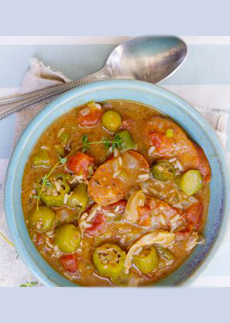
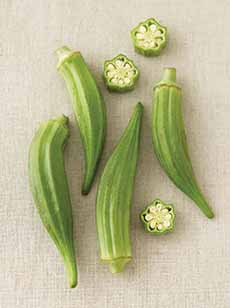
  • Gumbo (photo #2) is a Cajun stew that typically consists of a strongly meat or shellfish stock, the Cajun “trinity” (bell peppers and onions), and a variety of proteins such as andouille sausage, chicken and shrimp, served with rice. Okra is often used as a thickener. The name is believed to derive from the Bantu word for okra, ki ngombo.
  • Jambalaya (photo #3), a rice dish related to paella, is Cajun by way of the Caribbean Islands. The Spanish residents mixed native ingredients with stock and rice. The Atakapa tribe of the Southeastern U.S. contributed the name: The phrase “Sham, pal ha! Ya!” means “Be full, not skinny! Eat Up!,” the equivalent of “Bon appétit!” Here’s a recipe.
  •  
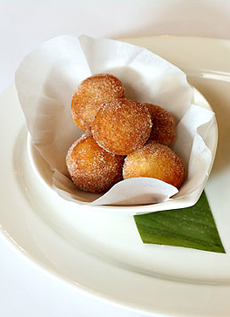
    And gumbalaya (photo #1)?

    After the widespread popularity of the cronut, Chef Mike Valentine of Ford’s Oyster House in Greenville, South Carolina thought it would be fun to create a mash-up of the two Cajun classics (photo #1).
     
     
    RECIPE #1: FORD’S GUMBALAYA

    Ingredients For 6 Servings

  • 4 tablespoons butter
  • ½ cup flour
  • 3 cups chicken stock
  • 1/3 cup green peppers, diced
  • 1/3 cup celery, diced
  • 1/3 cup onion, diced
  • 2 bay leaves
  • ¼ teaspoon oregano
  • ¼ tsp dried thyme
  • 2 teaspoons hot sauce (Chef Mike uses Crystal brand)
  • 2 teaspoons Creole seasoning*
  • ¼ teaspoon black pepper
  • ¼ teaspoon cayenne pepper
  • 1 pound chicken boneless skinless breasts
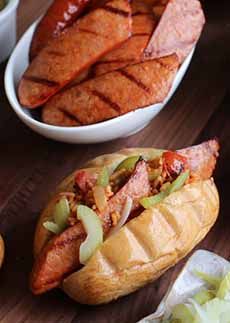
  • 1 pound andouille† sausage (photos #4 and #5)
  •  
    Plus

  • 2 baguettes, cut into long slices and toasted (see photo below)
  • Jambalaya Sauce (recipe below)
  •  
    Preparation

    1. PREHEAT oven to 350°F. Place chicken in a roasting pan and cook for 20 minutes. Let it stand for five minutes after taking it out of the oven, then cut into half inch pieces.

    2. COOK andouille sausage in the oven for 8 minutes at 350°F. Let it stand for 5 minutes.

    3. PLACE butter and flour in large saucepan. Turn on medium heat and cook while stirring constantly, until it becomes a light chocolate color. ADD green peppers, celery, onion, chicken, andouille sausage and bay leaves.

    4. ADD chicken stock, stirring constantly so the roux fully incorporates with the stock.

    5. ADD black pepper, cayenne pepper, Creole seasoning, hot sauce, oregano and thyme. Let the gumbo cook for 15 minutes. Add salt as needed.
     
     
    RECIPE #2: JAMBALAYA SAUCE

    Ingredients

  • 1 tablespoon olive oil
  • ¼ cup celery, diced
  • ¼ cup onion, diced
  • ¼ cup bell pepper, diced
  • 1 teaspoon fresh thyme, chopped
  • 1 teaspoon fresh oregano
  • Pinch of cayenne pepper
  • Pinch of black pepper
  • 1 teaspoon Creole seasoning
  • 2 teaspoons crushed red pepper flakes
  • 1 tablespoon hot sauce
  • 3 cups basic marinara sauce
  • Salt to taste
  • 2 cups cooked white rice
  •  
    Preparation

    1. PLACE olive oil in a medium saucepan. Add celery, onion and bell pepper and cook for 5-6 minutes.

    2. ADD garlic, fresh thyme, oregano, cayenne, Creole seasoning, crushed red pepper flakes and hot sauce. Lastly, add the marinara sauce and simmer for 10 minutes. Salt to taste.

    3. ADD cooked rice to jambalaya sauce; combine thoroughly.

    4. SERVE the gumbo in bowl with a heaping scoop of jambalaya/rice mixture and a side of toasted French bread. Option: Garnish with a sprinkle of cayenne and thyme (see photo #1).


    [1] Ford’s Gumbalaya recipe combines the best of gumbo and jambalaya (photo © Ford’s Oyster House | Greenville, South Carolina [now closed]).

    louisiana-gumbo-mackenzie-230
    [2] A classic Louisiana gumbo (photo © Mackenzie Ltd).

    Jambalaya
    [3] Jambalaya. Here’s the recipe from Gimme Some Oven (photo © Gimme Some Oven).

    Andouille Sausage Uncooked
    [4] Andouille sausage from D’Artagnan (photo © D’Artagnan).


    [5] Cooked and sliced andouille sausage (photo Wikipedia).


    __________________

    *You can buy or make your own Creole seasoning. Here’s Emeril Lagasse’s version, which makes about 2/3 cup: Thoroughly blend 2-1/2 tablespoons paprika, 2 tablespoons salt, 2 tablespoons garlic powder, 1 tablespoon freshly ground black pepper, 1 tablespoon onion powder, 1 tablespoon cayenne, 1 tablespoon dried oregano and 1 tablespoon dried thyme. Store in an airtight container away from light. Use within three months.

    †FOOD TRIVIA: Andouille, pronounced on-DWEE, is a spicy smoked sausage made with pork and garlic. The word is French, from the Old French andoille. Andoille dervies from the Medieval Latin inductilia, things to be introduced, from the Latin inductus, past participle of indUcere, “to introduce into a casing.” Whew!


    Comments off

    RECIPE: Parmesan Popcorn, Jalapeño Popcorn

    Following up on our “Diet Oscars” menu, here’s a recipe for flavored popcorn.

    In addition to movie-watching (or movie award show-watching), gourmet popcorn goes well with cocktails, wine and beer.

    Don’t like cheese or rosemary? Head to Popcorn.org, the website of the The Popcorn Board, for scores of flavored popcorn recipes.

    The recipes yield four quarts of flavored popcorn: 16 one-cup servings (or for our family, four one-quart servings).

    We made these recipes with imported Parmigiano-Reggiano cheese because we love the superior flavor; but you can use domestic Parmesan.

    You’ll get better flavor if you grate it freshly, rather than buy pre-grated (and please, nothing from a can!).

    Here’s the difference between the imported and domestic versions.


    rosemary-parmigiano-popcorn-230
    Brighten up cheese popcorn with some rosemary. Photo courtesy Popcorn.org.

     
    RECIPE #1: ROSEMARY & PARMIGIANO-REGGIANO POPCORN

    Ingredients For 4 Quarts

  • 4 quarts popped popcorn
  • 1 tablespoon butter
  • 1 tablespoon olive oil
  • 2 teaspoons finely crushed rosemary (fresh or jarred)
  • 1/4 cup grated Parmigiano-Reggiano cheese
  • 1 teaspoon garlic salt (or substitute sea salt)
  • 1/8 teaspoon white pepper, optional
  •  
    Preparation

    1. PLACE the popcorn in a large serving bowl.

    2. MIX the butter, olive oil and rosemary together in a small bowl; microwave 20 seconds to melt butter. Stir the butter mixture and pour over the popcorn; toss. Sprinkle the cheese, garlic salt and pepper over the popcorn.

    3. TOSS again and serve.


    cheesy-jalapeno-popcorn-recipe-230
    Kick up the cheese popcorn with jalapeño.
    Photo courtesy Popcorn.org.
     
    RECIPE #2: JALAPEÑO CHEESE POPCORN

    Ingredients For 16 One-Cup Servings

  • 4 quarts popped popcorn
  • 2-3 teaspoons jalapeño green hot sauce or more to taste (you can substitute whatever hot sauce you have)
  • 1/4 cup grated Parmesan cheese (substitute cheese with brewer’s yeast for a low fat alternative)
  • 1 teaspoon garlic salt
  •  
    Preparation

    1. PLACE popcorn in a large serving bowl. Sprinkle popcorn with hot sauce, Parmesan cheese and garlic salt.

    2. TOSS and serve immediately.

     
    AND IT’S GOOD FOR YOU!

    It’s a pleasant surprise: home-popped popcorn is one of the healthiest snacks you can enjoy.

    It’s full of polyphenols, antioxidants that help to neutralize the free radicals that contribute to aging. In fact, popcorn has one of the highest levels of polyphenols of any plant food.

    It’s also a whole grain, packed with fiber. If you use just a little butter or cheese, you’re adding a bit of cholesterol; but it’s just as easy to skip the cheese, use olive oil, and pile on lots of herbs and spices.

    Note that prepackaged, store-bought microwave popcorn is less good for you, made with chemicals and synthetics for flavoring and coloring.

    So pop it yourself—it’s easy enough! You can also make the following recipe without oil; but the amount we use is neglible. For an interesting twist, experiment with other oils you may have on hand: nut oils, sesame oil, etc.
     

    RECIPE #3: EASY MICROWAVE POPCORN

    Ingredients For 3 Cups

  • 1/2 cup popcorn kernels
  • 1 teaspoon vegetable oil
  • Brown paper lunch bag
  • 1/2 teaspoon salt, or to taste
  •  
    Preparation

    1. COMBINE the popcorn and oil in a bowl and mix to coat. Add to bag and sprinkle in the salt. Fold the top of the bag over twice to seal in the ingredients.

    2. MICROWAVE on full power for 2-1/2 to 3 minutes, listening until you hear pauses of 2-3 seconds between pops and remove the bag from the microwave. (Even though there may be some unpopped kernels, to continue cooking risks burning the popped kernels.)

    3. OPEN the bag carefully, releasing the hot steam; then pour into a serving bowl.


    Comments off

    The Nibble Webzine Of Food Adventures
    RSS
    Follow by Email


    © Copyright 2005-2026 Lifestyle Direct, Inc. All rights reserved. All images are copyrighted to their respective owners.