Red Lentil Soup Recipe, Other Greek Yogurt Delights & Aleppo Pepper
|
|
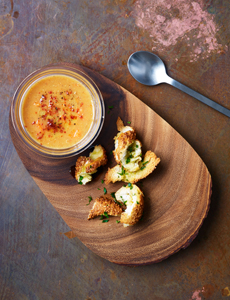
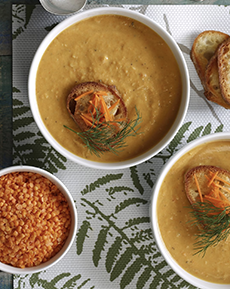
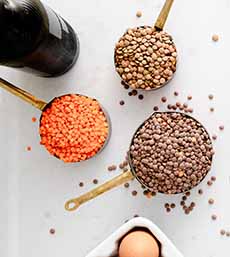
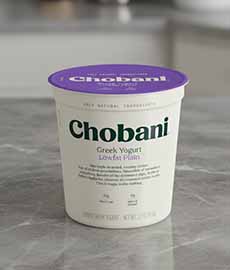
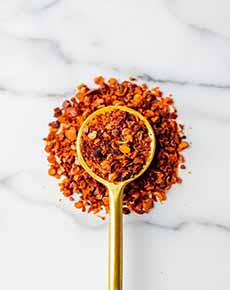
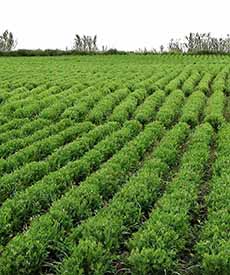
What do you do after your start-up Greek-style yogurt brand becomes the number one brand in the country? You continue to share your love of your homeland’s foods by opening a café. We went to the opening media reception, tasted some scrumptious recipes, and brought back our favorite: a delicious, nutritious Red Lentil & Yogurt Soup. The star on the menu, this red lentil soup is easy to make, and so luscious and comforting that you’ll be making it again and again. Thanks to Chobani for sharing the recipe. The recipe follows, but first: > The different types of soup: a photo glossary. > The year’s 15 soup holidays. > The history of yogurt and the different types of yogurt. > The year’s yogurt holidays are below. > Also below: What is Aleppo pepper? > The different types of peppercorns: a photo glossary. > The different types of chile peppers: a photo glossary. Red lentils (which range in color from yellow to orange to red) are sweeter than the green lentils typically used in American lentil soup, and the brown lentils used elsewhere. Ingredients 1. PLACE lentils in a strainer and rinse under cold water. 2. COMBINE all ingredients in a large pot and bring to a boil. Reduce to a simmer and simmer for 25 minutes. 3. ADD yogurt. Use an immersion blender to blend until smooth. 4. COOL in an ice bath and then refrigerate. Reheat before serving. Blend with immersion blender after reheating to eliminate lumps and smooth out soup. 5. MAKE garnish: Melt ¼ pound butter in a small sauce pan until foaming. Add ½ teaspoon Aleppo pepper and remove from heat. Drizzle ½ teaspoon (for an 8-ounce portion) or ¾ teaspoon (for a 12-ounce portion). Keep butter warm and garnish with a spoon of Aleppo pepper butter before serving. Also called halab pepper, halaby pepper, Near Eastern pepper, and Syrian red pepper flakes, Aleppo pepper hales from Turkey and northern Syria. The town of Aleppo, a famous food mecca, is located in Syria near the Turkish border. Aleppo pepper is used to add heat and pungency to Middle Eastern dishes. It is not a berry, like peppercorns, but a moderately hot red chile that is sun-dried, seeded and crushed. (Ever since someone in the crew of Christopher Columbus came across a chile in the New World and called it “pepper,” the confusion has endured. Here’s the scoop on pepper, here’s the story on chiles.) The Aleppo chile’s high oil content delivers a deep, rich aroma, somewhere between coffee and smoke; it has been compared to the ancho chile. It has fruity notes with mild, cumin-like undertones. It is much more flavorful, complex, and less harsh than—that generic pizza staple, crushed red pepper**—and it can be used anywhere generic pepper flakes are called for. The moderate heat of Aleppo pepper is used: *A substitute for Aleppo pepper is 4 parts sweet paprika and 1 part cayenne. See the section below on Aleppo pepper. †Crushed red pepper flakes sold in the U.S. are typically made from cayenne chiles, which range from 30,000 to 50,000 Scoville Heat Units. To achieve a consistency of flavor and heat, commercial producers may blend in other red chile peppers, such as red jalapeños or serranos.
|
|
|
CHECK OUT WHAT’S HAPPENING ON OUR HOME PAGE, THENIBBLE.COM. |
||