|

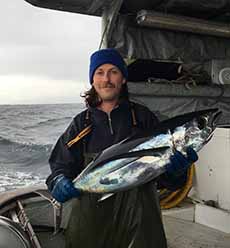
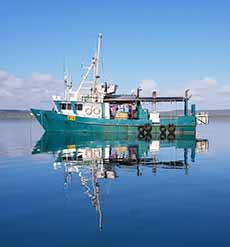
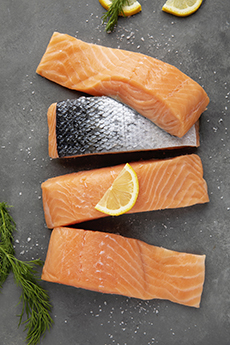
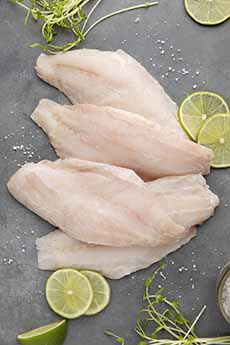
[1] Sustainable fishing has helped to conserve the populations of wild-caught fish (photos #1 and #2 © Marine Stewardship Council).
[2] Family fishing boats and fleets are part of the vanguard in sustainable fishing.
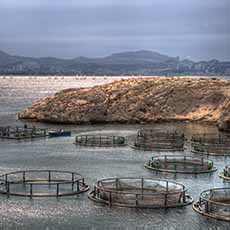
[3] Fish farming (aquaculture) in pens in the Mediterranean, outside of Marseilles, France (photo © Marcovdz | Columbia Climate School).
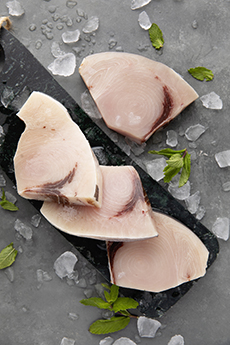
[4] Sustainably caught swordfish (photos #4 through #7 © D’Artagnan).
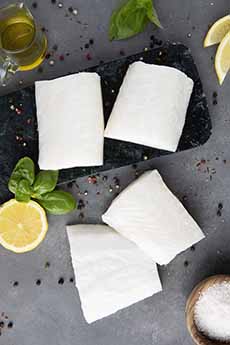
[5] Wild, line-caught Chilean sea bass.
[6] A popular selection, this Norwegian salmon is farm-raised in open agriculture.
[7] Red grouper, so-called because its rusty-red skin color easily distinguishes it from other groupers.
|
|
June 8th is World Oceans Day. The observance was passed in 2008 by the United Nations General Assembly.
All of us learned in grade school that oceans cover more than 70% of the planet. Here’s a refresher on other key points:
The ocean produces at least 50% of the planet’s oxygen.
Oceans absorb about 30% of carbon dioxide produced by humans, buffering the impact on global warming.
It’s the main source of protein for more than a billion people.
It’s key to world economy, with an estimated 40 million people employed by ocean-based industries by 2030.
It’s home to most of Earth’s biodiversity.
The oceans are key to life, supporting humanity’s sustenance and that of every other organism on earth. (Thanks to the United Nations for this information.)
But now, with 90% of big fish populations depleted though over-fishing, and 50% of coral reefs destroyed†, we are taking more from the ocean than can be replenished.
Although it is for a different article than this one, here’s a quick note that in addition to overfishing, ocean pollution is egregious. Just one example: Eight million tons of plastic end up in our oceans every year, and make up 80% of all ocean debris.
Fish mistake the plastic for food, eat it and die, diminishing their populations. Plus, as discarded plastic decomposes in the ocean, fish consume the microscopic pieces. Eating those fish puts that plastic in our bodies, as well. Here’s more about it.
To protect and preserve the ocean and all it sustains, organizations and researchers are working on how create a new balance.
The Marine Stewardship Council (MSC) was formed to encourage sustainable fishing practices that protect the future of fishing communities, preserve ocean ecosystems, and ensure seafood is available to everyone, always (photos #1 and #2).
One immediate way is through aquaculture, or fish farming.
WHAT IS AQUACULTURE?
When the American Heart Association recommended that we eat fish at least twice a week*, global per capita fish consumption almost doubled from the 1960s to 2012.
Today, about half of all the seafood consumed by mankind is produced through aquaculture, also called fish farming [source].
Aquaculture is one of the fastest growing methods of producing food in the world. It’s a much more sustainable way to get protein than animal farming.
Eating farmed fish is far better for the environment than eating meat or poultry. But aquaculture got a bad name in the past. A lot of damage was caused to the ocean environment via harmful practices.
But those having been recognized, aquaculture techniques have improved greatly and will continue to do so. Fisheries in responsible countries are turning the practice into an environmentally friendly one.
The most common type of aquaculture is farming in net pens (photo #3) or cages anchored to the sea floor in the ocean near the coast. There are also closed systems of tanks or ponds that float on water or operate on land.
The Food and Agriculture Organization of the U.N. (FAO) estimates that more than 600 aquatic species are produced globally in a variety of aquaculture system.
The FAO projects that by 2030, fish farming will be generate almost two-thirds of the fish consumed on the planet. Here’s more about it.
D’ARTAGNAN’S NEW LINE OF SUSTAINABLE SEAFOOD
D’Artagnan, long known for fine proteins from meats and game, ducks and poultryk, and charcuterie.
A purveyor of choice to top chefs across the nation for the more than 35 years, the company has expanded into sustainable seafood in direct response to consumers’ growing interest in responsibly sourced proteins being conveniently delivered to their homes.
The line includes both wild-caught fish and those raised by aquaculture.
As it does with land proteins, D’Artagnan works with conscientious fishers who respect the environment and the ecosystems. All D’Artagnan seafood is certified sustainable, fair trade, or organic by gold-standard international watch groups.
SUSTAINABLE SEAFOOD CHOICES
All of D’Artagnan’s offerings are flash-frozen at sea immediately after catch, or soon after on shore, to protect the flavor, texture and freshness, and portioned individually for convenience.
They are delivered to your home frozen, and can be defrosted overnight in the fridge.
Ahi Yellowfin Tuna: Premium-quality ahi tuna, wild-caught by hand-line fishermen. Marine Stewardship Council certified fishery for traceability and sustainability.
Black Tiger Shrimp: Jumbo sized, farm-raised, organic, Certified European Union Organic and Best Aquaculture Practices with no additives, preservatives or antibiotics.
Chilean Sea Bass: Wild, line-caught, responsibly sourced (photo #5). Snow-white flesh, comparable to sablefish or black cod. Certified Sustainable by the National Oceanic Atmospheric Administration (NOAA).
Hawaiian Pink Snapper: Wild, rod-and-reel caught in Hawaii; responsibly sourced, prized for its clear, light-pink flesh and delicate flavor. Certified Sustainable by the National Oceanic Atmospheric Administration (NOAA).
King Turbot: Farm-raised in Spain on sustainable aquafarms. Certified Best Aquaculture Practices (BAP) and Global GAP (Good Agricultural Practices).
Mahi Mahi: Wild, line-caught, responsibly sourced, with mild, sweet flavor and firm texture.
North Atlantic Cod: Wild, line-caught, responsibly sourced and Certified Sustainable by the National Oceanic Atmospheric Administration (NOAA).
Norwegian Salmon: Sustainably farm-raised in open aquaculture, Global GAP (Good Agricultural Practices) and Marine Stewardship Council for best practices (photo #6).
Red Grouper: Sustainably line caught in the Gulf of Mexico (photo #7); certified by National Oceanic Atmospheric Administration (NOAA).
Sea Scallops: Jumbo dry, wild-caught in New England, dry-packed, never treated with additives or preservatives.
Sockeye Salmon: Wild-caught Alaskan salmon, Marine Stewardship Council certified for sustainability.
Swordfish: Wild, line-caught, responsibly sourced from Mediterranean Sea (photo #4). Moist and flavorful with a slightly sweet taste, moderately high oil content and a firm, meaty texture.
(Remember that more than 600 aquatic species are farmed globally via aquaculture. Whatever you’re looking for, you should be able to find a sustainable option.)
FOR MORE INFORMATION OR TO ORDER FISH, HEAD TO DARTAGNAN.COM.
CHECK OUT THE DIFFERENT TYPES OF SEAFOOD IN OUR SEAFOOD GLOSSARY.
|