THE NIBBLE BLOG: Products, Recipes & Trends In Specialty Foods


Also visit our main website, TheNibble.com.

Pairing Wine With Sushi, Sashimi, Poke, & Any Raw Fish Dish

We at a lot of sushi, and typically default to sake or beer to accompany it. That’s because we’re fussy about wine, and most neighborhood places around us tend to have generic jug wines.

But the number of upscale sushi emporia is mushrooming in our town, with omakase dinners from $150 to the Hinoki Counter Experience at Masa, where a seat at the sushi counter costs $950 per person, beverages extra.

Omakase restaurants tend to have nice wine lists, which begets the question: What wines should you pair with sushi?

Pairing wine with sushi and sashimi is a fun exercise. The delicacy of raw fish and seafood, the tang of rice vinegar, and the hit of wasabi invite the suggestions that follow.

But first:

> The year’s sushi holidays and other Japanese food holidays.

> Sushi Glossary: a photo glossary of the different types of sushi and sashimi.

> The history of sushi.

> The year’s 25+ red wine holidays.

> The year’s 22+ white wine holidays.

You can always find beer and sake and a wine options, but some of the wines we see are not as sagely listed as they could be.

> The year’s 6 sushi holidays plus 10 more Japanese food holidays.
 
 
WINES FOR SUSHI, SASHIMI, POKE, & OTHER RAW FISH & SEAFOOD DISHES

Before we drill down into Western wines, we must give sake its due. It’s often called rice wine, although it’s actually a brewed alcoholic like beer (see more in the †footnote). Like beer, it’s brewed in different styles from dry to sweet, and sold in different qualities, from average to excellent.

Do if you don’t like sake, do try some of the good stuff. It goes with any type of raw fish or seafood dish.

Onto the wines: Delicate flavors like raw require wines that will not overwhelm—wines that are balanced and refreshing. Here are five categories that work, depending on your palate preference and what you’re consuming.
 
 
1. Sparkling Wines

  • Champagne, Crémant, or Cava: Bubbles cut through the richness of fatty tuna or salmon. Brut styles work best, but an extra brut or zero dosage are also delicious.
  • Prosecco: Lighter and fruitier, a good choice for rolls with sweeter sauces (e.g., eel sauce).
  •  
    Dry sparkling wines are perfect palate cleansers, so if you like to sip between each different fish, head for the bubbles.
     
    2. Crisp Whites

  • Albariño or Verdejo: Bright, saline-driven whites that echo the freshness of the sea.
  • Chablis or Chardonnay (unoaked): Mineral, clean, and crisp — excellent for sashimi purists.
  • Chenin Blanc: The wine’s bright acidity makes it a great partner for oily, rich, or spicy fish: mackerel, tuna, spicy rolls, and tempura rolls. Drier styles are excellent choices for tuna and tempura, while off-dry or sweet Chenin is delightful with spicy sushi.
  • Pinot Grigio: Pinot Grigio has citrus flavors that will balance any sushi or sashimi dish. It also pairs beautifully with California rolls.
  • Sauvignon Blanc: We especially like those from the Loire (Sancerre, Pouilly-Fumé) or New Zealand. They’re grassy, citrusy, and crisp—perfect for sushi with shiso leaf or vegetable rolls. Also pair it with a shrimp tempura roll.
  •  
     
    3. Aromatic Whites

  • Gewürztraminer: The “exotic” floral and lychee notes of these wines are wonderful to balance bold flavors (spicy rolls, eel) and the saltiness of soy sauce.
  • Grüner Veltliner: If you like a good amount of wasabi, the citrus notes (lemon, lime, grapefruit) and hints of white pepper make Grüner a match.
  • Riesling: Dry to off-dry Riesling is another good choice for spicy rolls and wasabi.
  •  
     
    4. Rosé

  • Provençal Rosé: Versatile dry rosé complements a wide range of fish and seafood—from fatty fish like salmon and tuna, scallops, white-fleshed fish, vegetarian sushi, and California rolls.
  • Sparkling Rosé: The fruitiness of rosé sparklers works nicely with spicy rolls or sauces and other robust flavors.
  •  
     
    5. Light Reds

    Yes, you can have red wine with sushi and sashimi! But select low-tannin wines, high acid wines like the two varietals here, and serve them slightly chilled. Heavy oak, bold tannins, and very high alcohol will overpower delicate fish flavors.

    In general, drink high-acid wines with fish that are heartier, fatty, and buttery like amberjack, eel, mackerel, salmon, tuna (especially toro, fatty tuna belly), yellowtail, even sea urchin (uni).

  • Beaujolais (Gamay): Fruity and low in tannin, the Gamay grape makes wines that work well with sushi. They’re a slam-dunk with grilled eel or mushroom rolls.
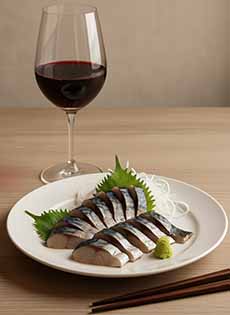
  • Pinot Noir: A light-bodied version offers red fruits and acidity. Especially good with tuna and other dark-fleshed fish like mackerel. Interestingly, we also enjoy it with a Philadelphia roll (salmon and cream cheese)
  •  

    Wine & Sushi
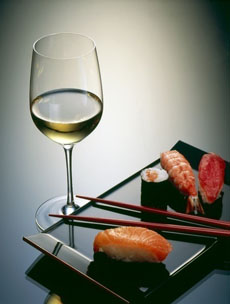
    [1] Chablis, an unoaked Chardonnay-based wine, or other unoaked Chardonnay, is crisp and universally compatible with sushi (photo © Lognetic | Dreamstime).

    Sushi & White Wine
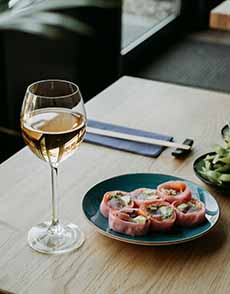
    [2] Sauvignon Blanc with a sakura (cherry blossom) roll, pink beancurd (soy paper) wrapper. This one is vegetarian, with shiitake mushrooms, asparagus, and cucumber (photo © Marta Filipczyk | Unsplash).

    Eel Nigiri Sushi With A Glass Of Prosecco
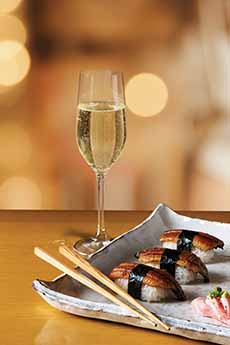
    [3] Sparkling wine is also versatile, but a glass of Prosecco complements sweet sauces, such as eel sauce* (A.I. photo).

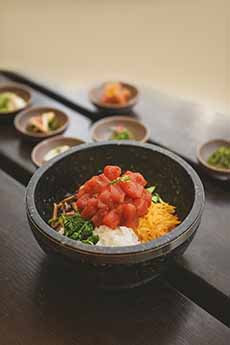
    Tuna Poke With Beaujolais
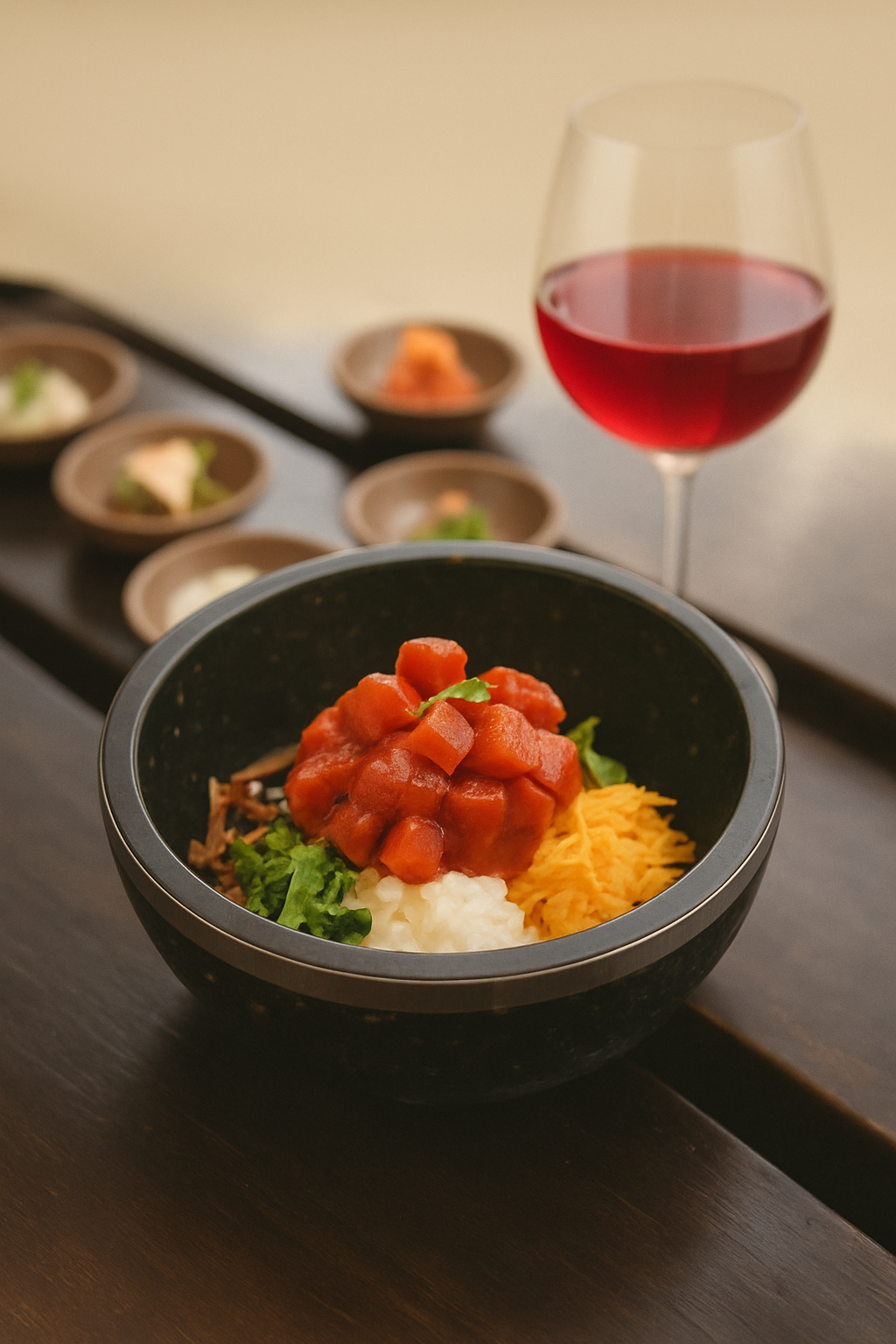
    [4] Red wine enthusiasts: Enjoy Beaujolais with tuna and heartier fish like eel, mackerel, and salmon (photo © Dons Bogam | NYC).

    Mackerel Sashimi With Pinot Noir
    [5] Mackerel sashimi with Pinot Noir (A.I. photo).

     
    ________________
     
    *Eel sauce, also known as unagi sauce and kabayaki sauce, eel sauce is a thick, sweet-and-savory glaze made from soy sauce, mirin, and sugar, reduced to a syrupy consistency. Despite its name, it does not contain eel; the name refers to its traditional use as a glaze for grilled freshwater eel (unagi). It is a popular condiment in Japanese cuisine, served not just with sushi, but with rice bowls, grilled meats, and vegetables.

    †Sake is made from rice, water, koji mold, and yeast. Like beer, it is made from grain, and its brewing process is similar to that of beer, involving the conversion of starch to sugar. Wine, on the other hand, is a process of fermenting fruit sugar into alcohol (even wines made from flowers, such as dandelion, elderflower, or rose hips, are considered fruit).


    CHECK OUT WHAT’S HAPPENING ON OUR HOME PAGE, THENIBBLE.COM.


    Comments off

    Chicken Poke Bowls: A Recipe & Poke Bowl History

    National Poke Day, which celebrates the traditional Hawaiian dish, takes place on September 28th*. And, September is both National Chicken Month and National Rice Month. So how about something different: chicken poke bowls!

    If you don’t already know poke, it’s a dish of diced, marinated raw fish that’s considered a local comfort food in Hawaii. Customizable at fast-casual restaurants and available as grab-and-go from food stores, poke is well-connected to the Aloha spirit**.

    For National Poke Day, spread the Aloha spirit. Head to a poke restaurant or make poke bowls at home.

    And yes, you can include chicken poke bowel recipe below for your celebration (with our thanks to Island Fin Poke for inspiring us to create it).

    Below you’ll find:

    > The Chicken Poke Bowl recipe.

    > The history of poke.

    > The year’s 15+ rice holidays.

    > More ways to use wonton strips.

    Elsewhere on The Nibble:

    > The history of rice and the different types of rice: a photo glossary.

    > The 56 fish and seafood holidays.

    > The year’s 48 poultry holidays: chicken, turkey, and duck.

    > The year’s 40+ salad holidays.
     
     
    RECIPE: CHICKEN POKE BOWL

    Island Fin poke offers two Chicken Pokes Bowl:

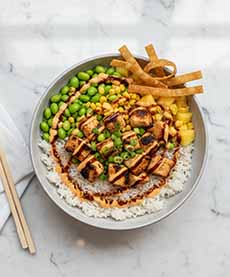
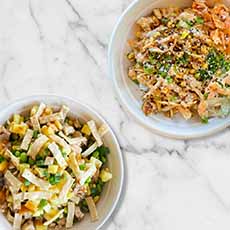
  • Chicken: with corn, edamame, pineapple, scallions, wonton strips, and two sauces.
  • Korean BBQ Chicken: with corn, kimchi, scallions, sweet onions, spicy pickled vegetables (oshinko), and topped with spicy togarashi sauce***.
     
    Recipe Overview: From Island Fin’s stated ingredients, we crafted our own recipe. If you want the Korean BBQ version, you can get the kimchi, pickled vegetables, and togarashi sauce at an Asian market or online.

    However, unless you can find take-out Korean BBQ chicken, it’s a time-consuming process to make at home (see the ‡footnote).

    About The Dressings: Island Fin uses heavier sauces that follow the preference of many Americans for creamy or otherwise thick dressings. We’ve listed their Wicked Wahini† sauce and Ono Ono†† sauce in the ingredients.

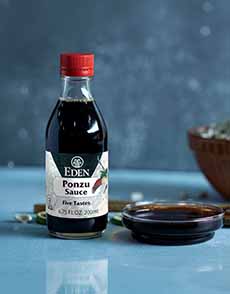
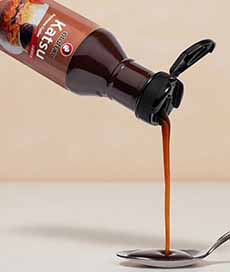
    We personally prefer lighter dressings (e.g., vinaigrette on green salads). When testing our chicken bowl recipe, we’ve used plain ponzu sauce (photo #6), katsu sauce††† (photo #7) a Japanese BBQ sauce used on tonkasu, breaded pork cutlet) thinned/diluted with ponzu, spicy mayo thinned with rice vinegar or vegetable/canola, a lemon vinaigrette, and even Russian dressing.

    Every option tasted good!

    Prep time is 20 minutes plus cook time for the rice and the chicken.
     
    Ingredients 2 Servings

    For The Chicken & Marinade

  • 1 pound boneless, skinless chicken thighs or breasts, cut into 1-inch cubes
  • 2 tablespoons soy sauce
  • 1 tablespoon sesame oil
  • 1 teaspoon garlic powder
  • 1 teaspoon ginger powder (or fresh grated ginger)
  •  
    For The Base

  • 2 cups cooked white rice
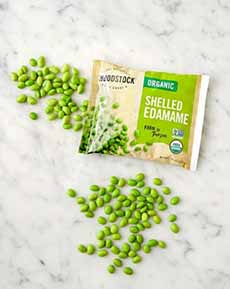
  • 1 cup shelled edamame (pre-cooked—photo #4)
  • 1/2 cup corn kernels (fresh, frozen, or canned)
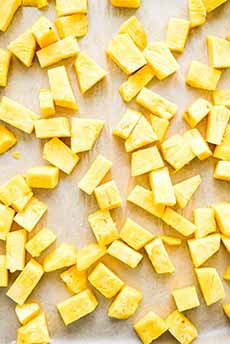
  • 1/2 cup fresh pineapple, diced (photo #5-substitute diced/canned in its juice)
  • Garnish: 2-3 scallions (green onions), thinly sliced
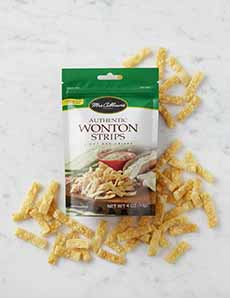
  • Garnish: wonton strips (photo #8)
  • Wicked Wahine sauce†, ponzu or substitute per note above
  • Ono Ono†† sauce‡
  •  
    Preparation

    1. COOK the edamame according to package directions. If using frozen corn, thaw and pat dry.

    2. MARINATE the chicken cubes for 15-30 minutes in the marinade: soy sauce, sesame oil, garlic powder, and ginger.

    3. COOK the chicken in a heated skillet or grill pan over medium-high heat for 6-8 minutes. Turn occasionally, until the chicken is golden brown and cooked through (internal temperature 165°F).

    4. ASSEMBLE: Divide the rice into two bowls. Arrange the cooked chicken, edamame, corn, and diced pineapple in sections over the rice (like a Cobb salad). Garnish with the scallions and wonton strips.

    5. SERVE with sauces for drizzling.

    Note: We like to toss our ingredients together for eating, and use bowls deep enough to enable tossing.
     
     
    THE HISTORY OF POKE

    Poke, pronounced POE-kay (note that there is no accent mark over the “e”), is a traditional Hawaiian dish that consists of cubed raw fish, typically ahi tuna, that’s been seasoned and marinated. The word comes from the Hawaiian verb meaning to slice or to cut.

    In a poke bowl, the seasoned raw fish is served over rice and topped with various ingredients like seaweed, avocado, cucumber, edamame, pickled vegetables, and different sauces. Today, the fish is usually marinated in ingredients like soy sauce, sesame oil, sea salt, onions, and sometimes spicy mayo or other flavorings.

    The original, traditional Hawaiian poke was much simpler: just fresh fish seasoned with sea salt, seaweed, and onions. The modern poke bowl trend has expanded to include many more toppings and variations, making it popular as a healthy, customizable meal option worldwide.

    The Beginning

    While traditional poke had been available in Hawaiian grocery stores since the 1990s, the poke bowl as we know it today began to gain popularity in the mainland U.S. in the 2010s.

    But the growth was dramatic during the mid-2010s. Poke moved to mainland in the early to mid-2010s, with poke becoming increasingly popular in North America starting in 2012 [source: Wikipedia].

    The trend first took off, not surprisingly, in California. By the summer of 2015, the dish had become so trendy that dozens of places with names like Pokinometry and Wiki Wiki Poke (wiki means quick in Hawaiian), could be found from Santa Monica and throughout Los Angeles.

  • Health-conscious dining trends aligned with poke’s fresh, raw fish format.
  • The customizable bowl format appealed to American fast-casual dining preferences.
  • Between 2014 and 2016 alone, the amount of poke restaurants nearly doubled, growing from 342 venues to 700.
  •  
    Island Fin Poke (which put an accent over the é, presumably so people would pronounce it correctly), began operating in Winter Springs, Florida in 2017, and has 17 franchise locations in 11 states (if you’re interested, head here).

    They inspired the following recipe, after we learned that the chain had switched up their protein options by offering chicken alongside traditional seafood options. And next…beef? Lamb? Pork? Tofu?

    We can’t wait to experiment with these.

    (Some information provided by Chat GPT.)
     
     
    WAYS TO USE WONTON CRISPS

    This crunchy snack and salad garnish have quite a few additional uses.
     

  • Breakfast: On cottage cheese, oatmeal, Greek yogurt.
  • Dessert: Toss with honey and cinnamon for a dessert sauce, use as a savory fondue dipper.
  • Grain bowls: Add crunch to rice and other grain bowls.
  • Pasta: A fusion garnish for creamy pasta dishes.
  • Salads: Not just for Asian chicken salad, but any green salad.
  • Soups: Garnish Asian broths, ramen, wonton soup, or creamy Western soups including tomato soup.
  • More: Garnish Asian-fusion tacos and other fusion dishes.
  •  
    In Main Courses

  • Breading: Crush and use to coat chicken or fish.
  • Casseroles: Layer for added crunch.
  • Crumbs: Crush and use as a breadcrumb substitute for gratins, savory pies/quiche.
  • Fried rice: Mix in during the last minute of cooking.
  • Stir fries: Toss in right before serving.
  •  
    As Snacks

  • Dips/Asian: cChili sauce, duck sauce, plum sauce sweet and sour sauce.
  • Dips/Western: Hummus, guacamole, spicy mayo, or your favorite dip.
  • Entertaining Boards: Charcuterie, cheese, veggie, and other boards.
  • Snack mixes: Mix into Chex mix, trail mix, or party mix.
  •  
     
    THE YEAR’S 15+ RICE HOLIDAYS

  • January 11: National Risotto Day
  • March 27: National Spanish Paella Day
  • April 19: National Rice Ball Day
  • June 18: National/International Sushi Day
  • July 6: National Handroll Day
  • August 8: National Mochi Day
  • August 9: National Rice Pudding Day
  • August 15: National Fresh Ahi Poke Day*
  • September: National Rice Month
  • September: Whole Grains Month
  • September 18: National Rice Krispie Treats Day
  • September 20: National Fried Rice Day
  • September 24: National Horchata Day
  • September, 4th Full Week: National Wild Rice Week
  • September 28: International Poke Day
  • October 1: World Sake Day‡‡‡
  • November: National Rice Awareness Month
  • November 29: National Rice Cake Day
  •  
    Plus:

  • April: Panagyaman Rice Festival (Philippines)‡
  •  

    Chicken Poke Bowl
    [1] Taking a license with poke: cooked chicken instead of raw fish (A.I. photo).

    2 Flavors Of Chicken Poke Bowls
    [2] Two offerings at Island Fin Poke: Korean BBQ Chicken Poke (lower left) and Classic Grilled Chicken (upper right—photo © Island Fin Poke).

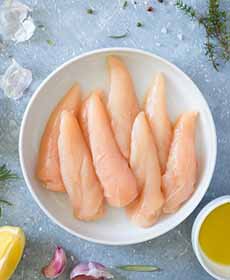
    A Plate Of Raw Chicken Tenders
    [3] We use chicken tenders because cubing them is much faster than cutting up breasts. These beauties are from John Henry’s Meats, “grazed right, raised right, taste right” (photo © John Henry’s Meats).

    A bag of frozen edamame Edamame[/caption]
    [4] Edamame are a delicious garnish on any salad or grain bowl. Look in the freezer section to find them already shelled (photo © Good Eggs).

    Chunks Of Fresh Pineapple
    [5] Don’t let cutting a pineapple intimidate you. Here’s an easy way to do it from Fed And Fit (photo © Fed And Fit).

    Bottle & Dish Of Eden Foods Ponzu Sauce
    [6] Ponzu is a good light sauce for the recipe. You can buy it anywhere Asian foods are sold, or make your own with this recipe. We prefer it to the thicker sauces used by many poke shops (photo © Eden Foods).

    Bottle Of Katsu BBQ Sauce
    [7] If you prefer a thick sauce, katsu sauce, a Japanese BBQ sauce, isavailable at Asian markets, is your go-to. An easy recipe to make your own is in the ‡‡footnote.

    A Bag Of Wonton Strips
    [8] Wonton strips are ubiquitous these days. (photo © Mrs. Cubbison’s | Sugar Foods).

    Tuna Poke Bowl
    [9] A classic tuna poke bowl (photo © Dons Bogam | NYC).

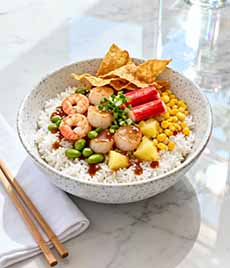
    Mixed Shellfish Poke Bowl
    [10] If you don’t eat raw fish, make your poke bowl with cooked fish (A.I. photo).

     
    ________________

    *There is also a National Fresh Ahi Poke Day on August 15th, emphasizing fresh-to-order poke with freshly-sliced fish, a superior preparation to all of the grab-and-go poke bowls.

    **The Aloha Spirit is a not only a philosophy but a part of Hawaii’s state law, representing a Hawaiian way of life that embodies love, kindness, compassion, and respect for people and nature. It is defined as a coordination of mind and heart within each person, expressed through the Hawaiian words akahai (kindness), lōkahi (unity), ʻoluʻolu (agreeable), haʻahaʻa (humility), and ahonui (patience).

    ***Togarashi is a spicy sauce based on shichimi togarashi, a traditional seven-spice blend called Japanese Seven Spice in the U.S. The seven spices are blak sesame seeds, ginger, nori (or poppyseed) orange peel, red chile peppers, sansho (Japanese pepper), and white sesame seeds.

    The spice blend is mixed with one or more of these liquids to form a sauce: mirin (sweet rice wine), rice vinegar, sesame oil, and soy sauce or tamari. Garlic or ginger paste can be added.

    The result is a sauce that’s citrusy from the orange peel, nutty from the sesame seeds, with a bit of tingle from the sansho pepper. It has less heat but more complex flavors than sriracha.

    You can buy it bottled in Asian grocery stores. It can be used as a dipping sauce for dumplings or tempura, on noodles (ramen, noodles, even pasta) or rice/other grains, with grilled meats or vegetables. You can add it to mayonnaise, sour cream, or yogurt for a spicy dip or spread.

    †Wicked Wahini sauce is a proprietary recipe used by Island Fin Poke. You can create a similar sauce by mixing sriracha or chili garlic sauce, lime juice, a touch of honey or brown sugar for sweetness, and an optional splash of soy sauce.

    ††Ono Ono sauce was named after the Hawaiian word for delicious, ono. It refers to a variety of sauces used in Hawaiian cuisine. The specific ingredients can vary widely depending on the type of sauce and whether it is used for meat, fish, etc. An easily acquired version is katsu sauce. If you want to make your own:

    †††Katsu sauce recipe: 1/2 cup ketchup, 2 tablespoons soy sauce, 1 tablespoons mirin, 1 tablespoons brown sugar, 1-1/2 teaspoons Worcestershire sauce, 1/2 teaspoon powdered ginger, and 1 clove minced garlic. Whisk all ingredients in a bowl and until thoroughly combined.

    ‡Korean BBQ chicken is a complex dish: a sticky, caramelized exterior with slightly charred edges and meat that’s sweet, spicy, and garlicky. It starts with marinating for several hours or overnight, then is grilled or cooked on high heat.

    The marinade includes rice wine, sesame oil and soy sauce plus brown sugar/honey, garlic, and ginger. Grated Korean pear or apple is added for additional sweetness and is considered important for its tenderizing enzymes. Heat comes by way of gochujang (Korean chili paste), gochugaru (Korean chili flakes), and black pepper. Additional flavor enhancers include grated or minced onion, scallions, and toasted sesame seeds. Sometimes, cola is added for extra sweetness and caramelization!

    It’s delicious, but requires time and lots of ingredients.

    ‡‡Duck sauce, plum sauce, sweet and sour sauce: the differences. Duck sauce is typically a translucent, amber-colored sauce that’s sweet and mild. It’s often made with apricots, peaches, or a mix of fruits (or fruit flavorings). It’s commonly served with Chinese-American dishes like egg rolls and has a fruity base (often apricot or plum). Sweet and sour sauce is usually more vibrant—a red/orange color—and tangier due to a stronger vinegar component, which also gives it a bit of a sour bite to balance the sweetness. It’s also thicker than duck sauce. A quality version may have visible chunks of pineapple or peppers.

    Plum sauce is a traditional Chinese condiment made primarily from plums, sugar, vinegar, and spices. It has a more complex flavor with a stronger fruit taste and slight tartness. Duck sauce is the American-Chinese restaurant version. It’s typically sweeter, milder, the Americanized, simplified cousin of traditional plum sauce..

    ‡‡‡Sake is a fermented rice drink, as wine is fermented grape juice.

    ‡‡‡‡Panagyaman is an Ilocano term (people inhabiting northwestern Luzon in the Philippines) meaning thanksgiving or gratitude, often used to describe a celebration of a successful harvest. The festival aims to express gratitude for the successful rice harvest and recognize the vital contribution of small farmers to national food security.


    CHECK OUT WHAT’S HAPPENING ON OUR HOME PAGE, THENIBBLE.COM.


    Comments off

    Steak Au Poivre, The Steak Recipe With Its Own Holiday

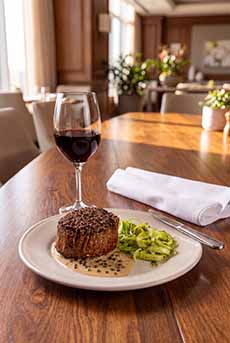
    A plate of steak au poivre and a glass of red wine on a restaurant table.
    [1] Steak au poivre is the only steak recipe with its own holiday. Here, there are green peppercorns in the sauce in addition to a black peppercorn crust on the filet mignon. The vegetable is braised leeks (photo © The Nibble).

    Crushed Peppercorns In Mortar
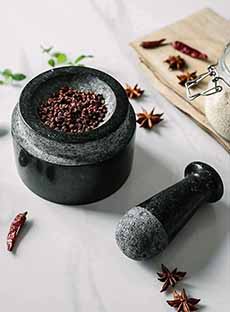
    [2] You can purchase cracked peppercorns, but crushing them fresh is the way to go. You don’t need a mortar and pestle. Place the peppercorns in a plastic snack bag and roll over them with a rolling pin or wine bottle (photo © MVOVZQCV Brand | Amazon).

    A plate of steak au poivre with a glass of red wine.
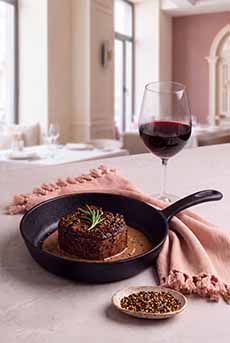
    [3] To make the recipe at home, you need a cast iron skillet or another oven-safe pan (photo © The Nibble).

    Strip Steak Au Poivre
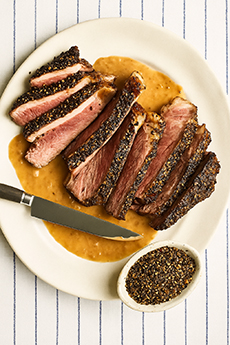
    [4] You can use any steak in the recipe—here, it’s strip steak (photo © The Nibble).

    A mixture of whole peppercorns: black, white, pink, and green.
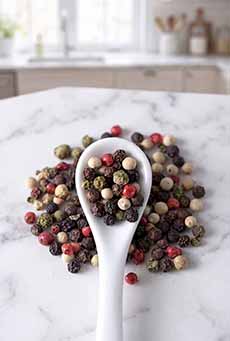
    [5] A mixture of whole peppercorns: black, white, pink, and green. If you grind a mixture, the pepper crust will be much milder, since most of the piperine (the compound that holds the heat) is in the black skin of the peppercorn. Green (unripened) and white (black with the skin removed) peppercorns have much less, and the pink ones none at all—they’re not real peppercorns, but the dried berries of trees in the cashew family (photo © The Nibble).

    Chopping shallots on a cutting board in the kitchen.
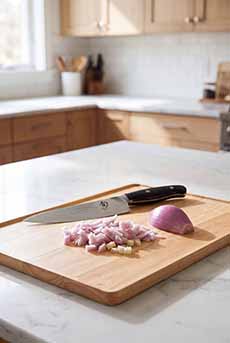
    [6] These shallots are chopped, but not yet minced finely enough to meet a French chef’s standards. If you have the patience, make the mince as tiny as you can (photo © The Nibble).

    A pint of Organic Valley heavy cream on a kitchen counter.
    [7] If you’d like a lighter cream sauce, use a percentage of stock instead of all cream (photo © The Nibble).

    Bottle Of Remy Martin VSOP Cognac
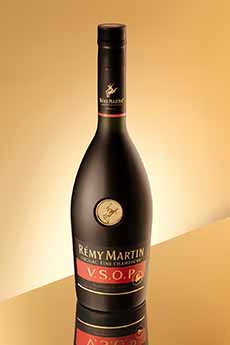
    [8] The Cognac for the sauce also makes a delectable after-dinner drink (photo © The Nibble).

    A bottle and glass of Ridge Zinfandel on a restaurant table.
    [9] Why you should consider Zinfandel with steak au poivre is detailed above (photo © Ridge Vineyards).


    Updated September 2026

    September 9th is National Steak Au Poivre Day, and we made beautiful filet mignon steaks au poivre for dinner, enjoyed with a delicious Ridge Zinfandel.

    For those who love tender beef with a bit of heat and a creamy Cognac sauce, this dish is a must-try.

    The coarsely cracked peppercorns form a distinct crust on the steak and infuse the pan sauce, the latter typically made with pan drippings, Cognac or brandy, and heavy cream or demi-glace.

    This creates a sharp, woody, and warming bite that stimulates the palate and cuts through the richness of the beef and cream.

    The heavy cream plays a crucial role in mellowing the pepper, creating a smooth, savory richness rather than a fiery burn.

    (A quick note: steak au poivre [pronounced oh-PWAV], the classic French dish made with peppercorns, is in no way related to pepper steak, the Chinese-American stir-fry dish made from thin slices of marinated beef and bell peppers.)

    Below:

    > The recipe for steak au poivre.

    > Wine pairings with steak au poivre.

    > The history of steak au poivre.

    > The year’s 25+ beef holidays.

    Elsewhere on The Nibble:

    > The different types of peppercorns: a photo glossary.

    > The history of black pepper.

    > The different cuts of beef: a photo glossary.

    > The origin of black, green, and white pepper (Piper nigrum).
     
     
    1. RECIPE: STEAK AU POIVRE

    In this recipe, pepper-crusted filet mignon is pan-seared and served with a rich, velvety Cognac cream sauce (use brandy if that’s what you have; see the difference in the ‡footnote).

    You can substitute a large boneless rib-eye or strip steak, 1½ inches thick, about 1¼ pounds.

    If you want a lighter sauce, substitute some of the cream with stock.

    The most bistro-authentic side dishes are pommes frites and haricots verts, with a simple salad to start (Dijon vinaigrette).

    For a more elegant dinner, go with gratin dauphinois and asparagus or leeks**. For a modern take, we like truffled mashed potatoes and wilted spinach with garlic.

    Thanks to Butcher Box, an online purveyor of fine meats and seafood, for this recipe.

    Prep and cook time is 25 minutes.
     
    Ingredients For 2 Servings

    For the Steak

    • 2 filets mignon, each 6 to 8 ounces and 2 inches thick
    • 2-3 scant tablespoons coarsely cracked black peppercorns (or mix of colors‡‡)
    • 1 tablespoon olive oil or vegetable oil
    • 2 tablespoons unsalted butter

     
    For the Sauce

    • 2 shallots minced as finely as possible
    • 1/4 cup Cognac or brandy‡
    • 1/2 cup heavy cream
    • Salt and freshly cracked pepper to taste
    • Optional garnish: brined green or pink peppercorns (photo #1)

     
    Preparation

    Remove the filets mignon from the fridge and let them sit for 20 minutes. Preheat oven to 325°F. Then:

    1. SEASON both sides of the filets with cracked black pepper, pressing it into the meat to create a good crust.

    There are three ways to crack the pepper:

    • In a mortar and pestle (photo #2).
    • In a plastic sandwich or snack bag, crushing with a rolling pin, wine bottle, or mallet.
    • On a cutting board, using the flat side of a large chef’s knife, pressing them in manageable clumps.

     
    2. FINELY CHOP the shallots, measure out the Cognac and the heavy cream.

    3. HEAT the olive oil in a cast-iron skillet over medium-high heat. Once hot, add the filets mignon and sear each side for about 3-4 minutes, depending on the thickness. Use tongs to turn the steaks and sear evenly.

    4. TRANSFER the filets from the skillet to a sheet pan and roast in the oven for about 15 minutes or until 130°F internal temperature for medium rare. While filets bake, assemble pan sauce.

    5. ADD the butter and shallots to the skillet. Cook for 2-3 minutes until fragrant and soft. Add the Cognac and let it reduce by half.

    6. LOWER the heat and add the heavy cream, stirring constantly until the sauce thickens slightly. Taste and adjust seasoning with salt and freshly cracked pepper.

    7. DRIZZLE the sauce on a dinner plate and sprinkle the optional green or pink peppercorns on the sauce (photo #1). Or, scatter them on the plate as a garnish. Serve immediately.
     
     
    2. ZINFANDEL & OTHER WINE PAIRINGS FOR STEAK AU POIVRE

    Zinfandel (photo #9) is a classic pairing with steak au poivre. Its spice mirrors the pepper, its ripe fruit balances the heat and cream, and its medium tannins and rich body complement the beef without overpowering it.

    • Spice: Zinfandel often has spicy, peppery notes (especially black pepper, clove, and cinnamon) that echo and complement the cracked peppercorn crust and those in the sauce.
    • Fruit: Zinfandel tends to be fruit-forward with notes of ripe blackberries, plums, and/or raspberries (depending on terroir, vintage, and other factors). The ripe fruitiness softens the sharpness of the peppercorn crust and balances the heat/spice of the sauce.
    • Body: Many Zins are medium- to full-bodied with higher alcohol (classic California Zins range from ~14% to 16% A.B.V.). Higher alcohol can help dissolve and disperse the flavors of the peppercorn and the fat of the beef, enhancing complexity.
    • Tannins: Compared to Cabernet Sauvignon or Bordeaux blends, Zinfandel usually has softer tannins. This means a smoother pairing: The peppercorn spice won’t feel too astringent, and the cream sauce won’t clash.

     
    Other Wine Choices

    • Malbec
    • Merlot (choose one with structure, i.e. Right-Bank Bordeaux or Washington State Merlot)
    • Southern Rhone Blends (Grenache-Syrah-Mourvèdre)
    • Syrah / Shiraz


    3. THE HISTORY OF STEAK AU POIVRE

    Steak au poivre is a classic French bistro and brasserie* dish, dating back to the 19th century when Paris exploded with cafés and casual restaurants serving hearty, affordable meals to the middle class.

    By that time, peppercorns were affordable to most households†.

    The term au poivre simply means “with pepper,” either by encrusting the meat with crushed peppercorns or later, with a peppercorn sauce, which can be made with or without cream.

    The earliest versions were more like pepper-encrusted steaks served with a pan jus deglazed with Cognac or brandy. The cream-based sauce became popular in the early 20th century, as the dish entered French haute cuisine with its love of butter and cream sauces.

    By the early 1900s, steak au poivre was a fixture on bistro and brasserie menus, often paired with pommes frites (French fries).

    The Cognac and Normandy regions of France introduced their respective spirits via flambé and in creamy sauces.

    Steak Au Poivre Comes To Americaau poivre vert) and a return to cream-free sauces, closer to the original, using pan juices, shallots, Cognac/brandy, and stock.

    Today you’ll find the dish on steakhouse menus worldwide, sometimes with Bourbon instead of Cognac, or with different peppercorn blends (black, green, pink, and white mix, or Sichuan peppercorns).
     
     
    4. THE YEAR’S 25+ BEEF HOLIDAYS

    • January 14: National Pastrami Sandwich Day
    • February 24: National Steakburger Day
    • March 9: National Meatball Day
    • March 17: National Corned Beef and Cabbage Day
    • March 18: National Sloppy Joe Day
    • April 27: National Prime Rib Day
    • May: National Beef Month
    • May: National Hamburger Month
    • May 28: International Burger Day
    • May 28: National Beef Burger/Hamburger Day††
    • May 28: National Brisket Day
    • May, 4th Sunday: National Italian Beef Day
    • June: National Steakhouse Month
    • June 12: National Jerky Day
    • June 21: National Wagyu Day
    • July, 2nd Friday: National/World Kebab (Kabob) Day
    • July 13: National Beef Tallow Day
    • August 2: National Big Mac Day
    • August, 1st Saturday: National Jamaican Patty Day
    • August 13: National Filet Mignon Day
    • September 9: National Steak Au Poivre Day
    • September 21: National Beef Stroganoff Day
    • September 23: National Snack Stick Day
    • September 27: National Corned Beef Hash Day
    • October 15: National Shawarma Day
    • October 26: National Chicken Fried Steak Day
    • November 12: National French Dip Day
    • November 27: National Craft Jerky Day
    • December 29: National Pepper Pot Day

     
    Plus

    • November is National Roasting Month


    *The difference between bistro and brasserie: A bistro is a small restaurant serving simple, home-style, hearty dishes (e.g., boeuf bourguignon, cassoulet, coq au vin, steak frites). It’s casual, intimate, and usually family run. The term likely comes from the Russian word bystro (“quick”), brought by Russian soldiers in Paris in the early 1800s.

    > A brasserie is a big, bustling venue with brewery roots (the French word for brewery is brasserie). In the 19th century, brasseries were places where beer was brewed and served with food. The menus are more extensive than at bistros, and they often serve food all day (e.g. choucroute garnie, onion soup, oysters, seafood platters, steak tartare). While originally beer was the main drink, brasseries today also have extensive wine and spirits lists. Classic brasseries often feature high ceilings, mirrored walls, Art Nouveau décor, and uniformed waiters (white aprons, long ties).

    **Leeks can be prepared braised in butter and stock; dressed with warm with Dijon vinaigrette, parsley, chives, and a touch of shallot; or caramelized. The popular leeks à la crème, in heavy cream, doesn’t work with the cream sauce on the steak.

    †Peppercorns, imported from India (as well as other spices from the Spice Islands of Southeast Asia), were expensive luxury goods through the Middle Ages, often costing more than two days of wages for a pound of pepper. Peppercorns were even used as currency! Prices began to decline in the late 15th and 16th centuries, as global spice trade expanded. By the 18th–19th centuries, pepper had become affordable and commonplace across middle-class European households.

    ††In the U.K., “National Burger Day” is a different event held on the Thursday before the late-August bank holiday (dates vary each year).

    ‡The difference between Cognac and brandy: All Cognac is grape brandy, a distillate of wine. However, Cognac is a brandy produced specifically in the region surrounding the town of Cognac, in central France. It is double distilled using pot stills and then aged for at least two years. It must be made from a specific group of white grape varieties, as well. Grape brandy can be made anywhere, from any grapes. Brandy can also be made from fruit and pomace, the solid residue of fruit left over—skins, seeds, and pulp—after juice (or oil, in the case of olives) has been pressed or extracted. Brandy does not require double distillation or long aging.

    ‡‡Piperine, the bioactive compound in black pepper is responsible for its characteristic pungent flavor. Green peppercorns, which are unripe, and white peppercorns, which have had the black skin removed, contain much less piperine.

    > Pink peppercorns are not true pepper from the Piper nigrum vine; they are the berries of Peruvian or Brazilian pepper trees Schinus molle or Schinus terebinthifolia. They do not contain piperine; their spiciness comes from other compounds (terpenes and phenolics, which are chemically distinct from piperine).


    CHECK OUT WHAT’S HAPPENING ON OUR HOME PAGE, THENIBBLE.COM.


    Comments off


    © Copyright 2005-2026 Lifestyle Direct, Inc. All rights reserved. All images are copyrighted to their respective owners.