THE NIBBLE BLOG: Products, Recipes & Trends In Specialty Foods
Also visit our main website, TheNibble.com.
|
April 21, 2008 at 5:35 pm
· Filed under Tip Of The Day, Vegetables-Salads-Herbs
|
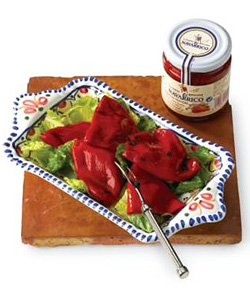
Piquillo peppers add color and flavor to what
would have been a plain lettuce salad. Photo
courtesy El Navarrico. |
|
Create a fusion dish by using Italian antipasto ingredients to dress up your salad course.
Marinated tomatoes, roasted peppers or artichokes from a high-quality manufacturer like Divina are wonderful on their own, but are even more grand atop greens.
You can use the oil marinade from quality jarred vegetables as your salad dressing and shave some Parmesan on top to finish your dish.
Visit the Gourmet Vegetables Section of THE NIBBLE online magazine for more salad recipes. |
|
|
|
Permalink
|
|
April 21, 2008 at 12:50 pm
· Filed under Sauces-Rubs-Marinades
|
| Good Clean Food is dedicated to the proposition that we’d all prefer a good, home-cooked meal on the table—if only it were easy to put it there. Now you can turn out delicious, healthy meals quickly, with Good Clean Food simmer sauces. Just pour the contents of the jar of one of the six varieties into a frying pan, add fish, shrimp, chicken breasts or pork and simmer for 10 or so minutes. Take a bite: You’ve got truly delicious and complex-flavored food. The flavor is in the details: The all-natural product line is made from top ingredients, and truly tastes like “good, clean food.”
Great attention is given to each ingredient: |
|

Shrimp in Good Clean Food’s Creole Sauce simmered to perfection in six or seven minutes.
|
| The cider comes from an orchard in western Maine, the state where Good Clean Food is produced. The chicken bones that make the stock come from Bell & Evans chickens. The mustard in the Tarragon Simmer Sauce is made at Raye’s Mustard Mill, North America’s last remaining traditional, stone-ground mustard mill founded in 1889. The Kalamata olives are from Divina, one of our favorite importers of quality Greek foods. There are currently six sauces: three for chicken or pork (Cacciatore, French Tarragon, Maine Cider) and three for fish or seafood (Creole, Mediterranean, Scandinavian Dill). Read the full review of Good Clean Foods simmer sauces. Find more of our favorite sauces in THE NIBBLE online magazine. |
|
|
Permalink
|
|
April 21, 2008 at 12:43 pm
· Filed under Contest, NutriNibbles-Organic-Health
|
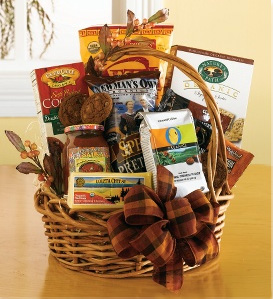
Win this organic snack basket and learn why converting just 10% of your food to organic will help save the planet. |
|
Tomorrow is Earth Day, a global observance initiated by U.S. Senator Gaylor Nelson of Wisconsin (1916-2005). It is celebrated on April 22nd to generate awareness of our planet and what we can do to help conserve it. The first Earth Day was observed in 1970, with 20 million Americans participating on behalf of a sustainable environment. In 2007, half a billion people in almost 200 countries worldwide participated.
If you want to do something for the Earth every week of the year, take our Gourmet Giveaway Quiz: It will give you lots of ideas of the things you can do to lessen your carbon foodprint (yes, foodprint). You don’t have to answer the questions correctly in order to win; but if you eat more organics, you and our planet will win. Find some of our favorite organic products in the NutriNibbles section of THE NIBBLE online magazine. |
| |
|
|
Permalink
|
© Copyright 2005-2026 Lifestyle Direct, Inc. All rights reserved. All images are copyrighted to their respective owners.