THE NIBBLE BLOG: Products, Recipes & Trends In Specialty Foods
Also visit our main website, TheNibble.com.
|
August 24, 2011 at 9:05 am
· Filed under Meat & Poultry, Recipes, Tip Of The Day
|
|
Make your Labor Day cookout different this year: Serve lamb burgers instead of hamburgers. (O.K., serve them in addition to hamburgers).
If you love lamb and don’t eat it often enough, you can get as much enjoyment from a lamb burger as from pricier lamb chops and legs of lamb. The same wonderful lamb flavor comes through in ground lamb.
A lamb burger is delicious plain with lettuce, tomato and onions, just like a regular burger.
But lamb burgers can be accessorized in a variety of ways. Try these favorites:
Greek-style, mixed with chopped Kalamata olives, crumbled feta, oregano, fresh dill and a touch of mint.
Indian-style, with curry powder, turmeric and ginger, plus optional onions, raisins and almonds.
|
|
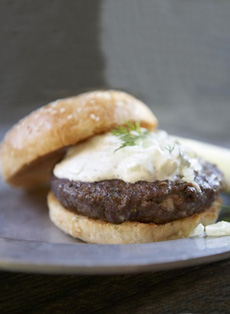
A luscious lamb burger from Built Burger, a NIBBLE Top Pick. |
|
Asian-style, with scallions, a drop of sesame oil and toasted sesame seeds, served with hoisin sauce and pickled ginger on the side instead of pickles and ketchup.
And of course, add salt and pepper to taste.
We can’t wait for Labor Day: We’re heading to Whole Foods Market to pick up some ground lamb for a lamb burger lunch.
Tips for making great burgers.
|
|
|
Permalink
|
|
August 24, 2011 at 7:52 am
· Filed under Food Holidays
|

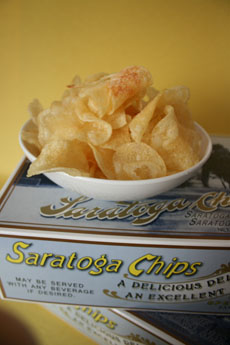
Original Saratoga Chips in a replica of the
original 1800s packaging. Photo by Hannah
Kaminsky | THE NIBBLE. |
|
Where would we be without potato chips?
Today is the 158th anniversary of the invention of the potato chip by Chef George Crum at Moon’s Lake House, a restaurant on Saratoga Lake in Saratoga Springs, New York.
Read the whole story, which started with a sort of food fight between the crusty chef and a wealthy older patron who complained that his fried potatoes weren’t crisp enough. It led to the invention of the potato chip.
That day will be commemorated today as Saratoga Springs Mayor Scott T. Johnson proclaims August 24th as “Saratoga Specialties Original Saratoga Chip Day” on the steps of Saratoga City Hall.
Two years ago, two friends from Saratoga launched the Saratoga Specialties Company to reintroduce the original chips, which hadn’t been made since the 1920s when regional brands of chips became prominent. The friends’ inspiration was seeing one of the original packages at the Saratoga Museum. The Mayor’s proclamation will recognize the entrepreneurs’ considerable effort to recreate the product for the nationwide consumer market.
|
We love the chips so much, we sell them at TheNibbleGourmetMarket.com. Take a look at the delicious options, which pair the original 1853 chips with more modern sour cream-based dips.
Celebrate Original Saratoga Chip Day by treating yourself to a box of chips. Just be sure to get the larger box. While we love the small, 1.5-ounce size for party favors and stocking stuffers, any chip eater will want the 9-ounce box—several of them, in fact.
|
|
|
Permalink
|
|
August 24, 2011 at 6:54 am
· Filed under Condiments, Meat & Poultry, Top Pick Of The Week
|
|
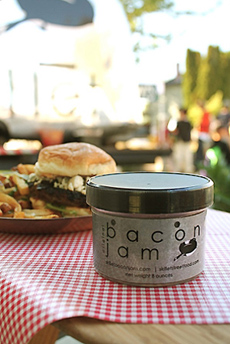
Bacon lovers are in for a treat with Skillet Bacon Spread.
Made by a Seattle caterer and restaurateur, it’s now available online.
What do you do with bacon spread? We have dozens of suggestions.
And we also have a recipe, so you can make your own.
Read the full review.
Do you know the different types of bacon? The difference between guanciale and pancetta, two Italian bacons? And the proper name for “American” bacon?
Check out the history of bacon and the different cuts, including back bacon, side bacon, Canadian bacon and Irish bacon.
|
|
The latest way to enjoy bacon: Skillet Bacon
Spread. Photo courtesy Skillet Street Food. |
|
|
|
Permalink
|
© Copyright 2005-2026 Lifestyle Direct, Inc. All rights reserved. All images are copyrighted to their respective owners.