THE NIBBLE BLOG: Products, Recipes & Trends In Specialty Foods


Also visit our main website, TheNibble.com.

TIP OF THE DAY: Beware Of Fake Italian Olive Oil

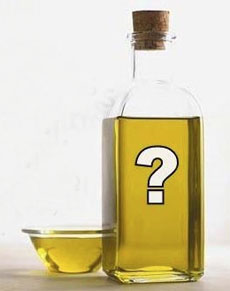
bottle-question-mark-fake-livefreelivenatural
The odds are high that your bottle of imported “extra virgin in olive oil” isn’t extra virgin or even pure olive oil, especially if it’s a major supermarket brand and/or sold in bulk. Photo courtesy LiveFreeLiveNatural.com.
 

“Is this for real?” a reader wrote, sending us a link to an article about fake olive oil. While we’ve covered this topic previously and also here, it’s worth revisiting. There’s a lot of fake imported oil claiming to be Italian olive oil.

In fact, fake olive oil has been a major scandal in Italy for decades. People have gone to jail for oil fraud, although that doesn’t stop the practice.

Unscrupulous Italian distributors import oil from Morocco, Spain (the largest producer of olive oil), Tunisia or elsewhere; bottle it in Italy and sell it a Italian olive oil. Sometimes, it’s a blend of a lower-quality Italian oil cut with non-Italian olive oil. Or it can be another oil entirely, such as soybean oil labeled “olive oil” on the manifest.

Totally fake olive oil can be made by mixing cheap vegetable oils with beta-carotene to disguise the flavor, and chlorophyll to provide the green color many people believe (erroneously) indicates higher-quality olive oil.

If the olive oil is bottled in Italy, it is not illegal to label it “Packed in Italy” or “Imported from Italy,” terms that easily deceive consumers. While a different country of origin is supposed to be listed on the label, often it is not. Italy is, in fact, the world’s largest importer of olive oil. Much of the oil sold as “Italian olive oil” isn’t, based on tests conducted in the U.S.

 
A special branch of the Italian police is trained to detect bad oil; but as in most inspections of most product categories in any country, there are too many products and too few inspectors. Even when fraud is found, producers—many of whom have connections to powerful politicians—are rarely prosecuted. [Source]

 
EVEN IF IT’S OLIVE OIL, IT MAY NOT BE “EXTRA VIRGIN”

Just because the label says “extra-virgin olive oil” does not mean that’s what’s in the bottle. In fact, it may not even be 100% olive oil. It can be a blend of lower-quality vegetable oils that may include less than 20% olive oil.

The “extra virgin” label has strict IOC (International Olive Council) requirements; namely, that the acidity of the oil is less than 1%. If the acidity is between 1% and 3.3%, the oil is called virgin olive oil; and the higher the acidity, the lower the grade of oil (here are the grades of olive oil). Much olive oil sold as “extra virgin” isn’t.

A 2010 study by U.C. Davis, one of America’s top agricultural universities, found that 69% of the imported “extra virgin” olive oil sold in California supermarkets did not qualify as extra virgin (the results can be extrapolated to the rest of the country). That means your chance of buying real extra virgin is less than 1 in 3. Here’s the full report.

The Executive Summary begins:

While there are many excellent imported and domestic extra virgin olive oils available in California, our findings indicate that the quality level of the largest imported brand names is inconsistent at best, and that most of the top-selling olive oil brands we examined regularly failed to meet international standards for extra virgin olive oil.

Of the five top-selling imported “extra virgin” olive oil brands in the United States, 73% of the samples failed the IOC sensory standards for extra virgin olive oils, analyzed by two separate IOC-accredited sensory [tasting] panels.

The fraud typically comes from supermarket brands, store brands and club store brands that sell in big volume. There is nothing harmful about the olive oil, but it isn’t of the quality of the Italian olive oil you think you’re paying for. If you’re buying it for it’s heart-healthy benefits, you may not be getting them.

In 2010, a class action lawsuit in California targeted 10 major olive oil brands: Bertolli, Carapelli, Colavita, Filippo Berio, Mazola, Mezzetta, Pompeian, Rachael Ray, Safeway Select and Star. It also names 10 major supermarket chains and big box stores that allegedly sold substandard oil as “extra-virgin.” This includes olive oil mixed with cheaper types of oil, lower quality olive oil and olive oil degraded by heat or age.

Artisan oils from smaller brands are typically what they claim to be. They don’t sell in enough volume to interest the fraudsters.


GREEN COLOR DOESN’T MEAN BETTER OLIVE OIL

Consumers have come to believe that green olive oil is better quality. So another trick fraudsters use is to color yellow olive oil green with chlorophyll.

While some green oils are top quality, the color of the oil is determined by:

  • The ripeness of the olives at harvest; for example, unripe, green olives yield green-hued oil and ripe, purple-black olives produce golden-toned oil.
  • Some olive varieties produce greener oil, just as some varieties of grapes produce deeper or lighter hues.
  • The International Olive Oil Council does not consider color as a factor in its blind grading of olive oils. In fact, oil is tasted from blue glasses to obscure the color.
  •  
    The fake can be discerned through lab analysis, although the retailers themselves don’t conduct these analyses. Read more at OliveOilSource.com.
     
    HOW TO DETERMINE IF OLIVE OIL IS REAL

  • Look for a label from a certifying agency, for example, the International Olive Council (IOC) for imported oils and the California Olive Oil Council (COOC) for California oils. Oils with these labels of authenticity generally undergo strict quality control testing.
  •   extra-virginity-230
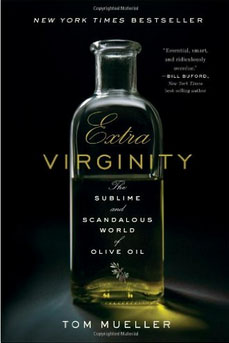
    What started out as an exposé in The New York Times is now an even more informative book. Photo courtesy W. W. Norton & Company.
  • Buy American-grown and -made olive oil. U.S. growers and manufacturers are generally held to stricter standards than companies that export to the U.S. California and Texas are the top two producing states. Olive oil is also made in Florida, Georgia, Hawaii and Oregon.
  • Look for the Non-GMO Project seal. The Non-GMO Project rigorously evaluates products before bestowing their seal.
  •  
    And by all means:

  • Buy directly from olive oil producers when you’re in an oil-producing region.
  •  
    Here are two “tricks” that are not 100% foolproof:

  • Avoid the “fridge test.” Dr. Oz perpetuated the myth that authentic olive oil will thicken and become cloudy in the refrigerator. Although some will, many varieties of oil will react that way. Here are details.
  • Avoid thw “flame test.” Real olive oil is flammable because of its low smoke point. But numerous other oils also have low smoke points. Here’s a chart. Thus, advice to light the oil with a match to see if it burns is no more accurate than the fridge test.
  •  
    Want to learn more? Get Tom Mueller’s book, Extra Virginity: The Sublime and Scandalous World of Olive Oil.
     
    And for free, you can read through our informative Olive Oil Glossary.


    Comments off

    A Recipe For Pasta & Sardines, Pasta Con Sarde

    spaghetti-sardines-taste.com.au-230r
    Spaghetti with sardines is an Italian classic (photo © Taste.com.au).
      Pasta with sardines is a popular Italian dish. Pasta con sarde has been called the national dish of Italy. It is often served with capers, red pepper flakes and bread crumbs. The sardines are laden with heart-healthy omega-3s; and if you use a whole grain pasta, this is a truly better for you dish.

    You don’t have to use the linguine specified in the recipe. You can use spaghetti, other ribbon pasta or even short cuts (bowties, tubes, etc.—see the different types of pasta). This recipe was adapted from one on VitalChoice.com, which sells premium canned sardines.

    > November 24th is National Sardine Day.
     
     
    RECIPE #1: PASTA WITH SARDINES

    Ingredients For 2 Servings

  • ½ pound whole-grain linguine
  • 1 tablespoon organic extra virgin olive oil
  • 2 tablespoons red onion, minced (substitute shallots or
    other onions)
  • 2 cloves garlic, minced
  • ¼ teaspoon red pepper flakes
  • 2 cups spinach leaves
  • ¼ cup radishes, sliced
  • 2 tablespoons white wine (or pasta water)
  • 2 tablespoons fresh lemon juice
  • 1 can premium sardine fillets or fresh sardines
  • Optional garnish: capers, fresh parsley, toasted bread crumbs
  •  

    Preparation

    1. COOK the linguine until al dente. Reserve some of the pasta water for the sauce. You can also use it to substitute for the white wine, if you don’t want to cook with wine.

    2. HEAT the olive oil on medium heat, then sauté the onion, garlic and red pepper flakes until translucent. Add white wine, spinach, radishes and half the sardines, and simmer until spinach is wilted.

    3. ADD the radishes, spinach and wine plus half of the sardines. Simmer just until the spinach was wilted, just a few minutes.

    4.REMOVE from the heat and stir in the lemon juice. Add salt and pepper to taste. Top with the remaining sardine fillets and garnish as desired.

      sardines-ramps-abboccato-230
    If you’re lucky enough to find fresh sardines, grill them first (photo © Abbocatto.com).
     
    RECIPE #2: TOASTED BREAD CRUMBS

    Ingredients

  • 2/3 cup panko or other bread crumbs
  • Olive oil
  • Seasonings as desired
  •  
    Preparation

    1. HEAT a small amount of oil in a skillet. Add the panko and cook until toasted and golden brown, about 2 minutes. Add an optional pinch of salt or fresh-ground black pepper, if desired. Stir as needed.

    2. REMOVE from the heat. If you won’t use them immediately, store the toasted bread crumbs in an airtight container for a day.


    CHECK OUT WHAT’S HAPPENING ON OUR HOME PAGE, THENIBBLE.COM.


    Comments off

    TIP OF THE DAY: Serve Food In A Martini Glass

    martini-glass-inspiredesignandcreate-230
    A Caprese salad, made with cherry tomatoes
    and bocconcini.* Photo courtesy Inspire,
    Design and Create. Here’s the recipe.

      If you own Martini glasses but don’t use them often enough to justify the space, send them from the bar to the kitchen. When they come out, filled with food instead of drink, family and friends will be delighted. If you have oversize Martini glasses, so much the better.

    12 WAYS TO USE MARTINI GLASSES—BEYOND DRINKS

  • Bread pudding, custard, mousse, other puddings
  • Caprese salad with cherry tomatoes and bocconcini substituting for sliced tomato and mozzarella (photo at left)
  • Chopped salad or green salad (see recipe below)
  • Gazpacho or other chilled soup
  • Fruit salad or compote (try watermelon salad, cubed or in balls, with feta and shredded basil)
  • Ice cream scoops or sundaes
  • Mashed potatoes (garnish with chives, bacon, grated cheese, whatever)
  • Nibbles with coffee (cookie bits, mini biscotti, chocolates, chocolate lentils, marshmallows, etc.)
  • Seafood salad (here’s a Vietnamese crab salad recipe)
  • Shrimp cocktail (try this shrimp cocktail with avocado recipe)
  • Sorbet with fruit or other toppings (you can marinate the fruit in brandy or fruit liqueur—recipe)
  • Yogurt parfaits
  •  

    RECIPE: APPETIZER SALAD WITH FRESH MOZZARELLA

    If you don’t like fennel, substitute ingredients you do like in the recipe below, from EatWisconsinCheese.com. Also take a look at this Dirty Martini Salad—simple greens with olives and an olive dressing (the dressing has chopped olives, vodka and olive oil).

    Ingredients For 4 Servings

  • 1 fennel bulb
  • 1 celery heart
  • 1 heart of romaine
  • 9 ounces fresh mozzarella cheese (or cheese of choice)
  • 1/2 cup extra-virgin olive oil
  • Juice of 1 lemon (1/4 cup)
  • 1 tablespoon mascarpone cheese
  • 1 teaspoon Dijon mustard
  • 1/4 teaspoon salt
  • 1 pinch ground white pepper
  •   fennel-salad-martini-glass-wmmb-230
    A Martini glass can be repurposed to
    serve different courses of food. Photo
    courtesy EatWisconsinCheese.com.
     
    Preparation

    1. WASH and thoroughly dry the fennel, celery and romaine. Cut the fennel into thin slices, about 2 cups. Cut the celery into julienne strips, about 1/2 cup. Reserve four well-shaped romaine leaves for garnish; then cut the remaining romaine into julienne strips, about 3 cups. Cut the mozzarella into thin strips. Place all into a large mixing bowl.

    2. PUT the olive oil, lemon juice, mascarpone, mustard, salt and pepper in a blender container. Blend until thick and smooth, about 5 seconds. Pour over the salad; toss to coat. Divide the salad, arranging on serving plates, using the reserved lettuce leaves for garnish.

     
    *Bocconcini are bite-size fresh mozzarella balls. You can substitute ciliegine (cherry size) or perlini (pearl size) if you can’t find bocconcini. Here’s a recipe that adds bowtie pasta for a Caprese pasta salad.
      

    Comments off


    © Copyright 2005-2026 Lifestyle Direct, Inc. All rights reserved. All images are copyrighted to their respective owners.