THE NIBBLE BLOG: Products, Recipes & Trends In Specialty Foods


Also visit our main website, TheNibble.com.

RECIPE: Blueberry Trail Mix

blueberry trail mix
A snack of different names: blueberry trail mix, snack mix, party mix. Photo courtesy U.S. Highbush Blueberry Counci.
 

Are you astonished by the sudden jump in price of fresh blueberries?

That’s because blueberry season is over. But there is a substitute: dried blueberries. Use them in and on:

  • Bundt and pound cakes, cookies, muffins
  • Cereal
  • green salad
  • Fruit salad
  • Pancakes
  • Sauces
  •  
    Make a blueberry trail mix snack with the recipe below. You can also use it to top desserts and cereal.
     
    RECIPE: BLUEBERRY TRAIL MIX

    Ingredients For 4 Cups

  • 1 cup dried blueberries
  • 1 cup chopped walnuts or other favorite nut
  • 1 cup thin pretzels, broken
  • 1 cup granola or other cereal
  • Optional: chocolate chips, mini M&Ms, other candy of choice, dried cherries or cranberries
  •  
    Preparation

    1. COMBINE the blueberries, walnuts, pretzels, granola and any optional ingredients in a large bowl. Toss to blend.

    2. STORE in an airtight container, but consume within a week.
     
    Find more blueberry recipes at BlueberryCouncil.org.
      

    Comments off

    Ways To Use Ginger Beer In Cocktails & Cooking (With Recipes)

    Ginger beer is not alcoholic, but a stronger, spicier version of ginger ale. There are lots of cocktails made with ginger beer, the most famous of which are:

  • Dark And Stormy: ginger beer and Gosling’s Black Seal Rum (a black or dark rum). Here’s the recipe.
  • Moscow Mule: ginger beer, lime juice, vodka (trivia lovers, it was the first vodka cocktail created in America, and is also called a Vodka Buck. Here’s the recipe.
  • Other Mule Drinks: There’s quite a selection, from a Kentucky Mule with Bourbon to Swedish Mule with Aquavit (the different types of mule drinks).
  • Black and Tan Mocktail: a mix of ginger ale and ginger beer (after the Black and Tan beer cocktail, made from a blend of a pale ale or lager with a dark beer—photos #1 and #2).
  • Ginger Beer Mojito: a mocktail or cocktail of ginger beer, fresh lime juice, fresh mint leaves and—for the cocktail—white rum (recipe).
  •  
    We far prefer the heft and sizzle of ginger beer to the more pallid ginger ale.

    You can buy ginger beer in grocery stores, or you can easily make your own. Here’s a shortcut recipe from Chef Jamie Oliver, no fermenting required.

    Ginger beer goes well with all spicy or highly-seasoned foods, as well as foods with sweet glazes and sauces, like barbecue or glazed ham. Find recipes below.

    Below:

    > Why call a drink a mule?

    > Ginger beer vs. ginger ale: the difference.

    > Cooking with ginger beer.
     
    Elsewhere on The Nibble:

    > The history of ginger beer.

    > The history of ginger.

    > The year’s 11 ginger-related holidays.

    > The year’s 40+ beer holidays.

    > The year’s 24 non-alcoholic beverage holidays (including juice and soft drinks).

    > The year’s 50+ cocktail and spirits holidays.
     
     
    WHY CALL A DRINK A MULE?

    Mule and buck are old names for mixed drinks made with ginger ale or ginger beer, plus citrus juice. They can be made with any base liquor.

    Some experts claim that a Buck is made with ginger ale, while a Mule uses the spicier ginger beer.

    Why buck? Why mule? That answer is lost to history, but here’s a detailed discussion.

    A bit of cocktail history: The Moscow Mule was invented in 1941 by John C. Hublein, importer of the than-not-well-known-or-popular Smirnof vodka. Here’s the history

    A Dark ‘n’ Stormy is traditionally made with Gosling’s Black Seal rum. Ginger beer was brought to the Caribbean by the English colonists, and full-bodied dark rum was first made by the Gosling family in 1860. It wasn’t a big jump to combine the two (one historian notes that Bermuda is only 20 square miles).
     
     
    GINGER BEER VS. GINGER ALE: THE DIFFERENCE

    The main differences between today’s ginger beer and ginger ale are the sweetness and spiciness. Ginger beer is less sweet than ginger ale and has a sizzling ginger kick. The spicier ginger beer provides a bite to cocktails, while the lighter ginger ale provides more sweetness and effervescence.

    Historically, both were fermented. Today only ginger beer is fermented, a reason for the higher price. Here’s more about fermented soft drinks.

    According to an enlightening article by Bill Norris, mass-produced ginger-based soft drinks began to appear in the U.S. by the mid-1800s. Back then, the ginger flavoring extract was aged in oak barrels for four years before use!

    Ginger ale was the most popular soft drink in the U.S. until the 1930s (Coca-Cola first was bottled for distribution in 1899 more).

    These early ginger ales were closer to what we now call ginger beer, described as “powerfully spicy.”

       
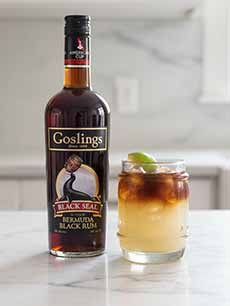
    Dark n Stormy Cocktail With A Bottle Of Goslings Black Seal Rum
    [1] The Dark and Stormy is named for the “storm cloud” effect created by pouring dark rum into ginger beer (Abacus Photo).

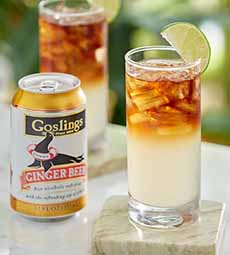
    Dark & Stormy With Gosling's Ginger Beer
    [2] Gosling’s Ginger Beer is our go-to. There are Caribbean brands that are stronger if you want an even bigger hit of ginger (photos #2 and #4 © Gosling’s

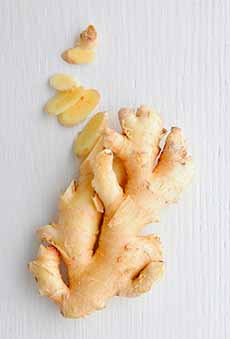
    Fresh Ginger Root
    [3] Fresh ginger root gives good ginger beer its zing (photo © Good Eggs).

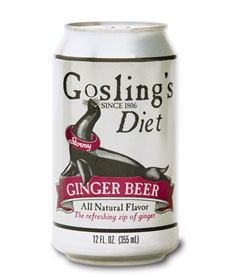
    /home/content/p3pnexwpnas01_data02/07/2891007/html/wp content/uploads/goslings ginger beer diet 230
    [4] Avoid refined sugar and save calories with Gosling’s Stormy Diet Ginger Beer. It’s sweetened with sucralose and acesulfame potassium. Stormy is the name of the seal mascot. The ginger beer is also available in the conventional sugar-sweetened form.

     
    Canada Dry ginger ale was introduced in 1907; the “dry” style prevails today. It gained favor around the time of Prohibition (1920-1933). Dry ginger ale has a more mellow ginger flavor and is easier drinking—what most Americans seek in a soft drink.


    COOKING WITH GINGER BEER

    Create a spicy, lightly sweet sauce for meat and poultry with a base of ginger beer. Try:

  • Corned Beef In Ginger Beer (recipe)
  • Ginger Beer And Tangerine Glazed Ham (recipe)
  • Grilled Chicken In Ginger Beer Sauce (recipe)
  • Pork Tenderloin With Pears & Ginger Beer Sauce (recipe)
  •  
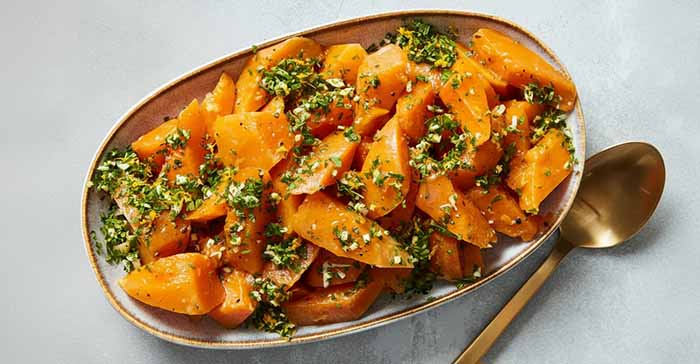
    Ginger Beer-Glazed Butternut Squash
    [5] Ginger Beer-Glazed Butternut Squash With Gremolata. Here’s the recipe (photo © Christopher Testani | New York Times).
     

    CHECK OUT WHAT’S HAPPENING ON OUR HOME PAGE, THENIBBLE.COM.


    Comments off

    Vermouth & Tapas For Cocktails & Brunch: A Spanish Tradition

    Vermouth is enjoying a renaissance. Vermouth (ver-MOOTH) is a fortified wine—one that includes a base spirit—flavored with a proprietary mixture of botanicals (roots, barks, flowers, seeds, herbs, spices).

    A glass of sweet red vermouth with an orange slice or twist was long a fashionable apéritíf for café society*. In Barcelona today, vermouth and tapas are a hot duo after mass, both at home and at the vermuterías that have popped up to serve them.

    Today’s tip is to try a bit of café society at home. Turn it into a brunch or cocktail party with tapas. Use the occasion to get to know vermouth, trying the different styles.

    You don’t have to try them all in one day. We’ve turned our monthly Sunday friends-and-family brunch into a vermouth and tapas event, trying different vermouths and tapas each week. So it doesn’t get burdensome, participants are assigned to bring a bottle (for those who don’t cook) and a variety of tapas (for those who do).

    > National Vermouth Day is March 21st.

    > World Tapas Day is the third Thursday of June

    Below:

    > A brief history of vermouth.

    > Tapas with the vermouth.

    Elsewhere on The Nibble:

    > The history of tapas.

    > The year’s 11 Spanish food holidays celebrated in the U.S.

    > The year’s 100+ cocktail and spirit holidays.


    A BRIEF HISTORY OF VERMOUTH

    Vermouth evolved from a 16th-century practice in Northern Italy and Germany, where apothecaries would blend extracts of herbs and roots with wine and brandy. This was the way to make bitter medicines more palatable. (Virtually all spirits were first developed for medicinal reasons.)


    Red Vermouth
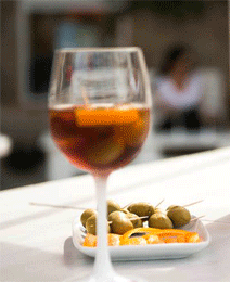
    [1] An apéritif of red vermouth (photos #1 and #3 © Foods From Spain).


    [2] A selection of delicious tapas (photo © Maddi Bazzocco | Unsplash).

     
    The original recipe for red vermouth, and possibly even the name “vermuth,” was invented in Torino, Italy in 1786 by Antonio Benedetto Carpano. The red vermouths of subsequent producers like Cinzano were based on Carpano. Carpano is still a major brand in Italy, perhaps best known today in the U.S. for its Punt e Mes (“Point And A Half”), a sweet and bitter style.

    In the late 19th century, bartenders began to make cocktails with vermouth. The Manhattan and Negroni, made with sweet vermouth, and the Martini, made with dry vermouth, are three that remain popular today. A plain glass of sweet vermouth is still enjoyed as an apéritif in Italy, France, and Spain, the three largest producing countries.

    There are a number of different vermouth styles: sweet and dry, red and white, amaro (with added bitters), chinato with added chinchona (quinine) and often gentian (a root), alla vaniglia with vanilla, and others. Vermouth houses typically make a variety of styles.

    While many vermouths are regional and not imported, familiar names in the U.S. include:

  • French vermouth: Noilly Prat, Boissiere
  • Italian vermouth: Cinzano, Martini & Rossi
  • Spanish vermouth: Canasta Rosso, Lacuesta
  •  
    Other countries have gotten on the vermouth bandwagon. There are a number of American brands (Atsby, Gallo, Imbue, Ransom, Sutton Cellars, Vya from Quady), along with vermouths from Australia, Germany and elsewhere.

    > Here’s more about vermouth.


    vermouth with tapas
    [3] Trade the Mimosa and omelet brunch for vermouth with tortilla española and other tapas.


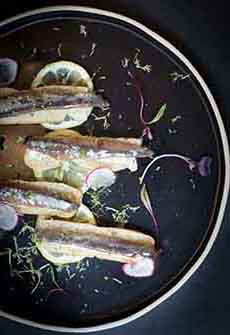
    [4] Boquerones, white Spanish anchovies. Boquerones and anchovies are the same types of fish, but anchovies are heavily salted and boquerones are not (photo © Pasta Eater | NYC).

       
    VERMOUTH & TAPAS

    After Ferran Adría closed the famed El Bulli temple of molecular gastronomy, he opened a vermutería in Barcelona: Bodega 1900, that serves different vermouths and tapas.

    In Barcelona, the trendy food capital of Europe, vermouth is now the midday fashion on weekends.

    It’s called “la hora del vermout” (vermouth hour, after “cocktail hour”): good food and drink, good conversation, a good time hanging out with friends and family.

    It’s easy to create your own “la hora del vermout” for brunch or an all-vermouth-and-tapas cocktail party.
     
     
    EASY TAPAS

  • Fresh anchovies marinated in vinegar (or you can grill them)
  • Fried green plantains
  • Green olives stuffed with piquillo peppers and anchovies
  • Grilled shrimp with olive oil and lemon juice
  • Marinated peppers and anchovies
  • Manchego cheese with serrano ham
  • Mussels with vinaigrette
  • Oysters and/or clams on the half shell
  • Potato chips, homemade or artisan
  • Pickled vegetables
  • Serrano ham
  • Tortilla espanola, an omelet with onions, peppers, potatoes and sausage (substitute a frittata or quiche)
  •  
    For brunch, add a green salad, with fruit salad for dessert (you can marinate the fruits in a bit of sweet vermouth or orange liqueur). If someone wants to make flan, by all means!

    Here’s what the menu at a tapas bar looks like.

    We promise, you’ll love this new approach to brunch and/or cocktails.


    SPANISH ANCHOVIES

    Many Americans recoil at the thought of anchovies, tough, bristly and way too salty. But these are cheap anchovies, typically served by diners and pizzerias. You must try fine Spanish anchovies—practically another species.

    Tender Spanish anchovies and boquerones, white anchovies, are imported canned and available fresh in May and June.

    They are a classic Spanish tapa. Boquerones are lightly pickled in vinegar and olive oil. Lightly salted and smoked anchovies are only distantly related to the over-salted anchovies too many of us have had.

    They are truly delicious, typically served with bread and butter.

    Try them: La Tienda is an importer of fine Spanish foods, and the photos of anchovies on their website will change your mind, even before the first bite.
     
    _______________________

    *Café society was the precursor of the jet set, and what more recently has been called the “beautiful people.” Beginning in the late 19th century, these wealthy individuals and celebrities gathered in fashionable cafés and restaurants in New York, Paris, and London. As a social group, they attended each others’ private dinners and balls, vacationed at the same elegant resorts, and so forth. In New York City, café society would hang out at El Morocco, the 21 Club and the Stork Club. American journalist Lucius Beebe (1902-1966) is generally credited with creating the term “café society” in his weekly column in the New York Herald Tribune, which ran in the 1920s and 1930s.
     

    CHECK OUT WHAT’S HAPPENING ON OUR HOME PAGE, THENIBBLE.COM.


    Comments off


    © Copyright 2005-2026 Lifestyle Direct, Inc. All rights reserved. All images are copyrighted to their respective owners.