Wiener Schnitzel Recipe & The History Of Wiener Schnitzel
|
|
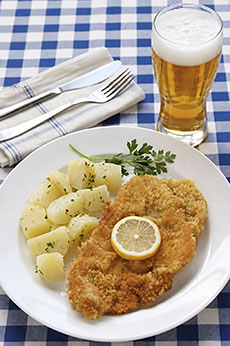
Updated September 2026 Wiener Schnitzel (pronounced VEE-ner, not WEE-ner) is the national dish of Austria and a standard of Continental cuisine. In The Sound Of Music, Maria sang about “Schnitzel with noodles” as “one of my favorite things.” If it’s one of yours, September 9th is National Wiener Schnitzel Day. Head to the butcher for some Schnitzel. > The history of Wiener Schnitzel. > The cousin of Wiener Schnitzel: chicken-fried steak. > The year’s 20+ German and Austrian food holidays. Elsewhere on The Nibble: Wiener Schnitzel is a pounded-thin, breaded, cutlet of veal or pork, coated in breadcrumbs, fried, and served with a slice of lemon. It’s traditionally served with a simple green salad or cucumber-dill salad, plus German potato salad (which contains bacon) or boiled parsley potatoes.
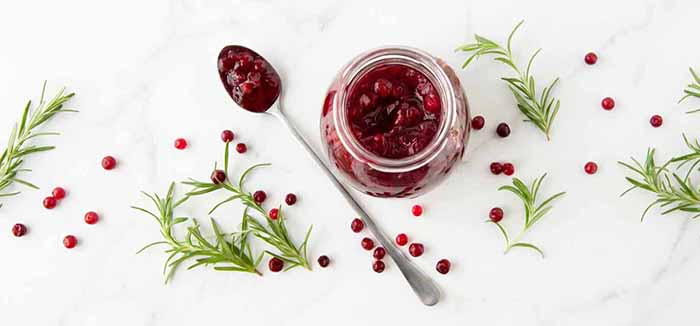
Lingonberry jam is a popular condiment. You can find it at better food stores, Ikea (it’s Swedish in origin), or online. If there’s any left, it’s delicious on toast, pancakes and waffles, or vanilla ice cream. The Meaning Of Wiener Schnitzel The name Wiener Schnitzel, from German, translates literally to “Viennese cutlet.”
In Austria, the term is protected by law; “Wiener Schnitzel” assures you of a veal cutlet.
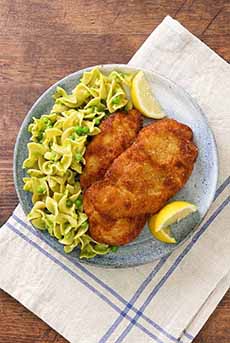
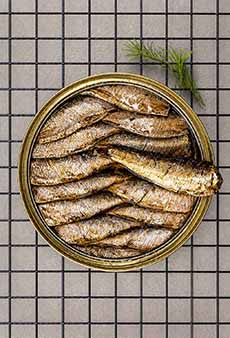
While home cooks tend to pan-fry Wiener Schnitzel, professional chefs will deep-fry it, as in the recipe below. However, feel free to pan fry. This recipe is from Kurt Gutenbrunner, Austrian-born chef and owner of Wallsé in New York City, where he creates fine Austrian cuisine that reflects contemporary tastes and classic traditions. He is the author of Neue Cuisine: The Elegant Tastes of Vienna. We’ve added our own touch to Chef Gutenbrunner’s recipe: our Nana’s preferred garnishes of capers, sardines, and sliced gherkins. Think of it as “surf and turf” Wiener Schnitzel. Our favorite sides are cucumber salad and boiled parsley potatoes; but like Maria, we could go for some buttered egg noodles with parsley and cracked pepper. Ingredients For 4 Servings
|
|
|
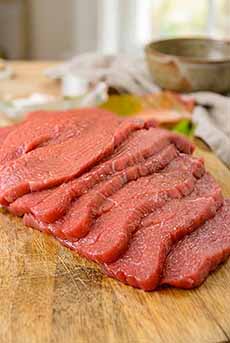
Preparation 1. LINE a large baking sheet with a double layer of paper towels. 2. WHISK the flour and 1 teaspoon salt in a wide shallow bowl. Lightly whisk the eggs and cream in another wide shallow bowl until the yolks and whites are just streaky. Mix breadcrumbs and 2 teaspoons salt in a third wide shallow bowl. 3. POUND the veal slices between sheets of plastic wrap to 1/8”–1/16” thickness, being careful not to tear. Season lightly with salt and pepper. 4. PROP a deep-fry thermometer in a large, deep skillet. Pour in the oil so that the bulb is submerged. Heat oil over medium heat to 350°F. Add butter to skillet and adjust heat to maintain 350°F. 5. DREDGE 2 veal slices in the flour mixture and shake off the excess. Dip in the egg mixture, turn to coat, and shake off excess. Dredge in the breadcrumbs, pressing to adhere. Shake off the excess and transfer the veal to the skillet. Using a large spoon, carefully baste the top of the veal with the hot oil. 6. COOK until the breading puffs and starts to brown, about 1 minute. Turn and cook until browned, about 1 minute longer. Transfer to a paper towel-lined sheet. Repeat with the remaining veal slices. 7. ASSEMBLE: Place the veal on individual plates. Garnish with lemon wedges and parsley or lettuce. According to legend, Field Marshal Joseph Radetzky von Radetz, an Austrian general, brought the recipe from Italy to Vienna in 1857. But this story was invented, like George Washington and the cherry tree. Here’s what we know from the historical record:
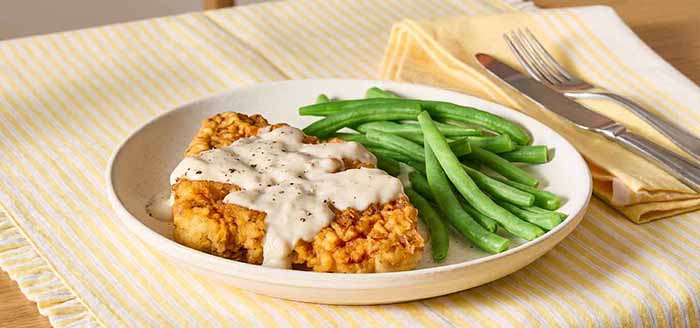
Far from being a German dish, Wiener Schnitzel is so distinctly Austrian that Germans across Austria’s northern border refer to Austrians as Schnitzelfressers (Schnitzel munchers). Wiener Schnitzel itself seems to have fallen out of fashion in the U.S., but its spirit lives on in the American dish, chicken-fried steak. A Texas specialty, Chicken-Fried Steak is the American version of Wiener Schnitzel. It’s credited to German immigrants in the Texas Hill Country, who found themselves with plenty of available beef and a paucity of veal. Instead of a tenderized veal cutlet, a tenderized cut of beef (a cube steak) is coated with seasoned flour and pan-fried. The preparation gets its name from its resemblance to fried chicken. In a redundant twist, a dish called Chicken-Fried Chicken, pounds, breads, and pan-fries a chicken cutlet. This preparation is distinctively different from regular fried chicken, which breads bone-in chicken parts and deep-fries them. Here’s the recipe for the photo below.
*A demonym is a word used to identify the residents or natives of a specific place, such as a city, region, state, or country. It tells you what someone or something from a particular location is called. For example, with people, someone from Vienna = Wiener; New York = New Yorker; France = French or Frenchman; Tokyo = Tokyoite. **The historical trail generally unfolds through these phases: > The Byzantine Influence: Food scholars have found early references to breaded and fried meat dishes that were popular in Constantinople during the medieval era. During the Renaissance, a culinary custom developed in Venice of “gilding” foods (coating them to look like gold leaf). When that practice was restricted, cooks began using breadcrumbs to achieve that same golden, fried appearance. > The Italian (Milanese) Evolution: Milan has long claimed a direct ancestor to the dish in the Cotoletta alla Milanese, with archival records pointing to breaded veal chops (lombolos cum panitio) served in Milan as far back as the 12th century. > The Austrian Formalization: The popular legend that General Radetzky brought the recipe back from Italy in the 19th century has been largely debunked by historians who have found similar recipes in Austrian cookbooks a bit earlier. However, the cross-pollination of ideas across the Alps heavily influenced how Vienna refined, named, and eventually protected the dish. †The cookbook is thought to have been compiled in the late 4th or early 5th century C.E. and given the title De Re Coquinaria (“On the Subject of Cooking”). The name Apicius had long been associated with an excessively refined love of food, exemplified by Marcus Gavius Apicius, a Roman gourmet who lived sometime in the 1st century C.E. The author of the book is one Caelius Apicius; however, no person by this name otherwise exists in the historical record. The book was no doubt compiled by a person or persons who wished to remain anonymous. [Source] ‡Many people think German chocolate is German. It isn’t: It’s a milder, sweeter type of baking chocolate invented in 1852 by Samuel German, an English immigrant who worked in Boston for Walter Baker & Company. It was originally called Baker’s German’s Sweet Chocolate. The recipe for German chocolate cake comes from Texas. (Milk chocolate would not be invented until 1876, by Daniel Peter in Vevey, Switzerland. Here’s the scoop. ‡‡St. Nicholas Day is a traditional Christian feast day celebrated on December 6th or the evening of December 5th. It honors Saint Nicholas, the Bishop of Myra (modern-day Turkey) during the 4th century, who inspired the modern figure of Santa Claus. He was famous for his secret acts of kindness. His Dutch name, Sinterklaas, evolved into “Santa Claus” when the tradition spread to North America. Consider celebrating with apple strudel, Lebkuchen (gingerbread), Kaiserschmarrn (shredded pancake), mulled wine and punch, roasted chestnuts, Sachertorte, sausages, stollen, and Vanillekipferl. CHECK OUT WHAT’S HAPPENING ON OUR HOME PAGE, THENIBBLE.COM.
|
||