THE NIBBLE BLOG: Products, Recipes & Trends In Specialty Foods


Also visit our main website, TheNibble.com.

TIP OF THE DAY: Pasta & Fish & Instagram

Everyone has heard of linguine with clam sauce, and pasta with mixed shellfish: clams, mussels, scallops, shrimp.

But how about fish?

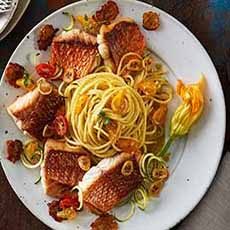
This appealing dish of spaghetti with red snapper (photo #1) was created by Rickie Perez, Executive Chef/Founder of Logan Oyster Socials, a traveling oyster bar in Chicago.
 
 
RECIPE: SPAGHETTI WITH RED SNAPPER

The spaghetti is tossed with a fresh sauce of citrus and olive oil, and served with crisply-seared red snapper (skin side down).

Grilling is an alternative way to get the hearty flavor that marries the fish to the pasta.

Chef Perez uses a finishing splash of a spicy pineapple vinegar, a Puerto Rican condiment called pique.

It’s a simple blend of chilies, garlic, and spices, with a bit of pineapple added for sweetness. Here’s a recipe. You can make it and use it immediately, and can substitute pineapple juice for the pineapple rind in the recipe.

Don’t want to make vinegar? Use a splash of whatever flavored vinegar you have.

Chef Perez serves the dish with tostones, fried plantains (here’s a recipe). You can sauté bananas, or simply use a garnish or choice.

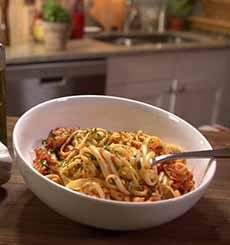
Here’s a different approach to red snapper and pasta, by Debi Mazar and Gabriele Corcos (photo #2).

Here, the seared snapper is de-skinned, then broken up and added to a tomato sauce.

October is National Pasta Month. Plan some pasta-and-fish combinations; perhaps you’ll discover a new favorite.
 
 
RESTAURANTS & INSTAGRAM: THE PHONE EATS FIRST

According to Datassential, the food industry’s leading market research firm, Instagram appeal has become a major concern for restaurant chefs and operators.

With more than 250 million posts, #Food is among the top 25 most popular hashtags on the social media platform.

Evidence of how this is shifting menu development is everywhere, says Flavor & The Menu, a leading trend magazine and website for chefs.

Instagram’s influence has forced restaurants to create more impressive presentations, over-the-top desserts and eye-popping cocktails.

“We used to eat with our eyes,” says Yury Krasilovsky, executive chef of pasta giant Barilla America.”

“Now, the phone eats first. [Restaurants] of all types to pay more attention to presentation.”

As a chef responsible for recipe development that Barilla offers to chefs, he keeps a keen eye on Instagram, looking at how chefs and home cooks have stylized pasta dishes in a striking manner.

“The most popular posts tend to be colorful, and either highly composed and stylized….,” he says.

“At the end of the day, it’s about appetite appeal: Food photos should make the viewer want to dive in for a forkful.”

But the photos only capture what’s put on the table. The creativity comes from you.


[1] Spaghetti With Red Snapper. It’s garnished with tostones and a squash blossom (photo © Barilla America).


[2] In this dish, the red snapper is crumbled and mixed into the sauce (photo © Debi Mazar and Gabriele Corcos | Cooking Channel).


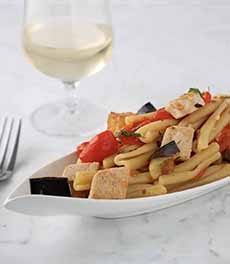
[3] Rotini with peas and cubed swordfish. Here’s the recipe from Barilla.


[4] Casarecce with swordfish and eggplant. Here’s the recipe from Barilla.


Comments off

FOOD FUN: You Can Sponsor A Beehive


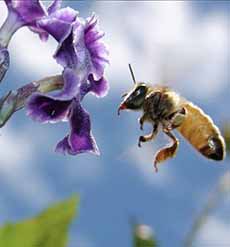
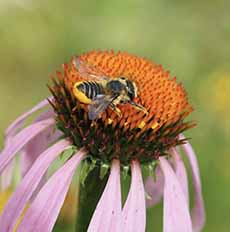
Honeybees gathering nectar. Their bodies pick up pollen, which they rubs off on the next flower they visit (photos © The Honeybee Conservancy).


Last week, The Honeybee Conservancy launched a new initiative: Bee The Solution.

It’s a nationwide call-to-action and educational tour to raise awareness around bee conservation and the important role bees play in our society and local communities.

Bees are essential to grow hundreds of basic crops helping with food production and sustainability.

These little pollinators travel from plant to plant collecting nectar to make honey.

In the process, the plant’s pollen adheres to their bodies, and in a vital interaction, they inadvertently transfer the pollen from flower to flower, which pollinates the plants.

This process:

  • Enables pollination of countless fruits, vegetables, and nuts: one-third of the foods we eat.
  • Some crops, such as blueberries and cherries, are 90% dependent on honey bee pollination. One crop, almonds, depends 100% on the honey bee for pollination. Here are more bee-dependent crops.
  • Enables pollination that creates half of the world’s oils, fibers and raw materials.
  • Prevents soil erosion.
  • Increases carbon sequestration. [source]
  •  
    For the launch event, The Honeybee Conservancy created a six-foot-tall beehive with some 70,000 bees in the heart of midtown Manhattan. Oh yes: It was in the shape of the Empire State Building.

    As part of the program, the Conservancy wants you to sponsor a beehive.

     
    HOW DO YOU SPONSOR A BEEHIVE?

    Sponsor-A-Hive is an annual program targeting two major issues in the U.S.: declining bee populations and limited access to food in low-income communities.

    Each year, Sponsor-A-Hive selects partner organizations to which they deliver native bees or honey bees along with their hives, beekeeping equipment, and continuous training and support.

    Sponsor-a-Hive recipients also participate in the Conservancy’s Bee Ambassadors program, with discussions that advance science and environmental education.

    Equipped with materials such as lesson plans and presentations,Bee Ambassadors deliver hands-on, motivating programs about bees.

    In their new homes, the bees thrive, pollinate, and help boost the crop yield of community gardens.

    Your organization—school, community garden, etc.—can help to create a more sustainable America by caring for a beehive that pollinates and educates.

    Help to build a movement dedicated to reclaiming habitat and protecting the bees that are so necessary to our local ecosystems and food systems.

    Over the last ten years, the national Sponsor-A-Hive program has deployed 10 million bees into underserved communities in 44 states, producing half a million pounds of food and helping many thousands of people gain access to organic, sustainable food.

    DISCOVER MORE HERE.


    Comments off

    FOOD FUN: Bloody Mary With Mexican Garnishes

    Multi-Garnish Bloody Mary
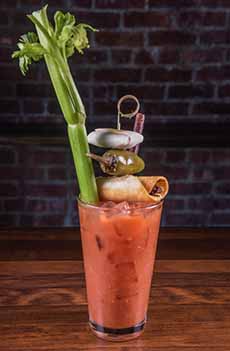
    [1] A Bloody Mary with three Mexican restaurant garnishes (photo © J-Remy | Blue Moon Café).

    Hanako San Bloody Mary
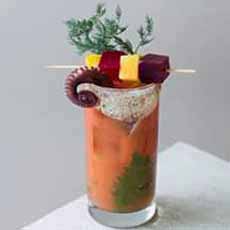
    [2] Japanese accents: ingredients in the mix, an octopus tentacle and a skewer of raw tuna and beet cubes. Here’s the recipe (photo © Bamboo Sushi | Portland, Oregon).

    Garnished Bloody Mary
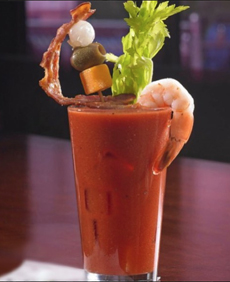
    [3] The Wayfarer in New York City calls this its Fully Loaded Bloody Mary, but we think of it as “Surf And Turf.” Here’s the recipe (photo © The Wayfarer | NYC).

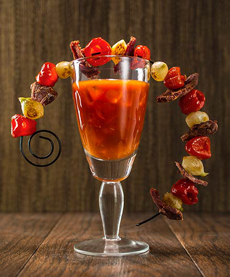
    Philly Cheesesteak Bloody Mary
    [4] It’s called a Philly Cheesesteak Mary with grilled garnishes, but there’s no cheese cube because it would melt over the grill. Here’s the recipe from Campbell’s Kitchen. You can adjust the recipe with pearl onions, add cheese cubs when the skewer comes off the grill, or use halloumi cheese, which doesn’t melt. You can find the circular kabob skewers on Amazon.


    You may have seen online photos of Bloody Mary’s so extensively garnished, that you wonder how anyone can get through the garnishes to enjoy the drink.

    While this one is not quite so packed, it is fun. We like that an entire celery stalk more than doubles the height of the glass.

    At the most basic level, anyone can use a 14″ stalk of celery to make an impression.

    But Blue Moon Mexican Café, in Englewood and Wycoff, New Jersey, adds much more.

    The restaurant has introduced a new Sunday brunch menu with different Bloody Mary garnishes.

    We don’t know the recipe, but we do know the garnishes (see our Chipotle Maria Recipe below).

    Here, the garnishes from Blue Moon Café (photo #1):

  • Mini empanada
  • Marinated jalapeño
  • Mini quesadilla
  •  
    Visitors to the restaurant can order a 68-ounce pitcher of Bloody Marys, served with fixings that include:

  • Beef jerky
  • Blue cheese-stuffed olives
  • Celery stalks
  • Cocktail onions
  • Gherkins
  • Marinated jalapeño
  •  
    Plus, the familiar wedges of lemon and lime.

    An upgrade at the restaurant includes a tray of bacon, plantains, mini cheese quesadillas and shrimp.

    But these additions are tame, when you look at these 10 outrageous Bloody Mary garnishes.

    What’s on your Bloody Mary?

    Here are some recipes we’ve published previously:
     
     
    MORE BLOODY MARY GARNISHES

  • All-In-One Bloody Mary & Shrimp Cocktail
  • Bloody Mary With Oyster Shooters
  • Eleven Bloody Mary Garnishes
  • Green Bloody Mary (with tomatillos and pickled vegetables)
  • Japanese Bloody Mary With Octopus (photo #2)
  • Mutant Mary For Halloween (with olive eyeballs)
  • New Bloody Mary Garnishes
  • Surf & Turf Bloody Mary (photo #3)
  •  
     
    RECIPE: CHIPOTLE MARIA

    You can use the conventional vodka, or substitute tequila.

    Ingredients Per Drink

  • 1-1/2 ounces tequila
  • 3 ounces top-quality tomato juice
  • 1 squeeze lemon juice
  • 1/2 teaspoon Worcestershire sauce
  • 2-3 drops Tabasco Chipotle Pepper Sauce
  • Garnishes: celery, cornichons, cocktail onions, blue cheese
  •  
    Preparation

    1. SHAKE all ingredients with ice and strain into an old-fashioned glass over ice cubes. Add salt and pepper to taste.

    2. GARNISH with celery and skewered cornichons, cocktail onions and a cube of blue cheese.
     
     
    BLOODY MARY HISTORY
     
     
    BLOODY MARY RECIPES WITH INTERNATIONAL ACCENTS


    Comments off


    © Copyright 2005-2026 Lifestyle Direct, Inc. All rights reserved. All images are copyrighted to their respective owners.