THE NIBBLE BLOG: Products, Recipes & Trends In Specialty Foods
Also visit our main website, TheNibble.com.
|
November 11, 2009 at 8:40 am
· Filed under Food Holidays, Ice Cream-Sorbet-Yogurt
|
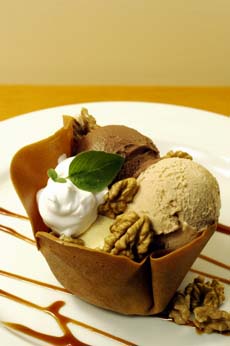
Serve your sundae in a cookie cup. Photo
by Marcin Bania | IST. |
|
November 11th is National Sundae Day, so why not make something special?
We’re starting with a S’mores Sundae—chocolate ice cream, marshmallow creme, crumbled graham crackers and chocolate sauce. To celebrate the season, we’re following with a Gingerbread Sundae—cinnamon, ginger and vanilla ice creams with cubes of fresh-baked gingerbread, topped with whipped cream, candied ginger and chunks of Chocolove’s crystallized ginger and dark chocolate bar. (The truly indulgent can add caramel sauce). Whatever your favorite flavors, combine them, indulge and enjoy!
|
| |
|
|
Permalink
|
|
November 11, 2009 at 8:21 am
· Filed under Coffee & Tea, Cookies-Cake-Pastry
|
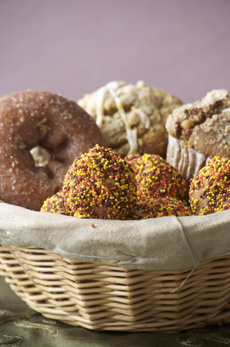
We’re always testing food at THE NIBBLE; and with the warm weather we were having yesterday, a member of our team picked up both Starbucks and Dunkin’ Donuts iced coffees. At Dunkin’ Donuts, she was tempted by the fall donut display and picked up a sampling:
- Fall Munchkins Donut Hole Treats. Decorated with autumn-colored non-pareils, these cuties were the winner by a mile. Suggested retail price $4.49 for a 25-count box.
- Pumpkin Donut. Our second favorite was the glazed cake donut, which was said to be pumpkin-flavored. We didn’t taste the pumpkin, but the dough is—surprise!—a fun pumpkin color. And it’s a good glazed donut. Suggested retail price $.89.
- Fall Harvest Donut. We didn’t get to try this yeast ring donut topped with orange icing and a festive sprinkle mix. But we love yeast donuts; maybe tomorrow? Suggested retail price $.89.
- Pumpkin Muffin. This large muffin—share it with someone—is topped with white icing and streusel crumbs. It’s too crumbly for us, and the pumpkin flavor could be more pronounced. Suggested retail price $1.39.
What about a lowfat muffin? Now there’s the: |
|

Our fall favorites at Dunkin’ Donuts: The glazed
Pumpkin Donut at left, with pumpkin-colored
dough inside and the colorful Fall Munchkins.
At top, Pumpkin Muffin. At right, Low Fat
Caramel Apple Muffin. Photo by Evan Dempsey
| THE NIBBLE. |
- Low Fat Apple Caramel Muffin. This is Dunkin’ Donuts’ first low-fat muffin, with only three grams of fat. It’s part of the DDSMART menu of better-for-you items that meet at least one of the following criteria: 25% fewer calories; 25% less sugar, fat, saturated fat or sodium than comparable fare, and/or contain ingredients that are nutritionally beneficial. This muffin may have 25% less fat, but it’s a big muffin with plenty of calories and carbs. Might we suggest that “better for you” would be a mini two-ounce muffin, and not six ounces or more? We’re just saying! Suggested retail price $1.39.
In terms of the iced coffee: Starbucks won ($3.05 compared to $2.82, representing NYC prices with tax).
|
|
|
Permalink
|
|
November 10, 2009 at 11:59 am
· Filed under Cookies-Cake-Pastry, Food Holidays
|
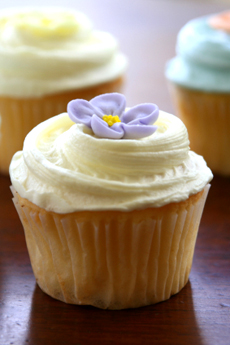
| It’s National Vanilla Cupcake Day. Invite friends over tonight for TV and a bake-along. Here’s a recipe for a yummy vanilla cupcake with cream cheese frosting.
The name “cupcake” is derived from the teacup. Before the advent of muffin tins, where they are baked with a paper or foil liner, cupcakes were often baked in individual tea cups (as well as ramekins). They are frosted and often decorated with sprinkles, candies, rosettes, coconut and other toppings. In recent years, cupcakes have moved beyond children’s party fare and have become popular with pastry chefs and consumers as sophisticated alternatives to large cakes at weddings and other celebrations, where cupcake “trees” stack the cupcakes in the shape of a large, tiered cake.
|
|
Happiness is a vanilla cupcake. Photo by Ben Phillips | IST. |
| |
|
|
Permalink
|
© Copyright 2005-2026 Lifestyle Direct, Inc. All rights reserved. All images are copyrighted to their respective owners.