THE NIBBLE BLOG: Products, Recipes & Trends In Specialty Foods


Also visit our main website, TheNibble.com.

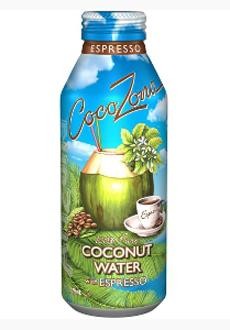
PRODUCT REVIEW: Espresso CocoZona, Coconut Water & Coffee


Coconut water + espresso = hydration with a
caffeine kick. Photo courtesy AriZona
Beverages USA.

  Some months ago we tasted dozens of coconut waters, including CocoZona from AriZona Beverages USA.

The company is now rolling out a second flavor: CocoZona Coconut Water with Espresso. The drink blends 100% pure coconut water with coffee, and has 50mg of caffeine per bottle.

The idea for CocoZona Espresso was hatched when an AriZona executive added some of the original CocoZona to his iced coffee. He really liked the flavor, and realized that a combination of coconut water and coffee would create a hydrating beverage with a kick of energy.

When the idea was handed to the product developers, the goal was not to recreate a latte-like flavor, which is the style of other coffee-enhanced coconut water beverages.* Thus, there is no milk or cream, just coconut water and coffee.

However, the flavor of CocoZona Espresso is like a charming “latte lite.” The natural milkiness of the coconut water combines beautifully with the coffee (which plays out more like regular coffee than espresso). Even the aroma has a bit of milkiness.


*Other caffeinated coconut water blends include Blue Monkey Organic, Coco Cafe, Coconut Coffee and Zico Latte.

We like it even better than the original, plain, coconut water.

Coconut water is a naturally isotonic drink that contains key electrolytes, such calcium, magnesium, phosphorus, potassium and sodium, are of which are essential for rapid fluid absorption. And with 50mg of caffeine per bottle, CocoZona Espresso has an added kick.

A 14.5-ounce aluminum bottle has 70 calories. The suggested retail price is $1.99 to $2.49 per bottle. The bottle, which which has an attractive tropical-themed wrap, is 100% recyclable and can be repurposed as a water bottle (we refill the bottles with water and stick them in the fridge).

Coffee lovers: Try it!


Comments off

TIP OF THE DAY: A New Way To Look At Cheese For Dessert

Many people enjoy a cheese plate with fruit and nuts.

Typically, that means helping oneself from a platter of cheese, garnished with fresh or dried fruits, almonds and/or walnuts.

And typically, people eat far more cheese than they should. The suggested serving size is one or two ounces; we probably can put away six ounces before we know it.

The problem is not just the 100 calories per meager ounce of cheese (one slice of American cheese is an ounce—so imagine what that wedge you’ve carved off weighs). Cheese also has a high level of saturated fat (cholesterol).

Here’s one way to have your cheese plate and eat it too—with far less saturated fat:

Even if you think you don’t like it, try fresh goat’s milk cheese. It’s like tangy cream cheese, and doesn’t have the “goaty” flavor that some people dislike in an aged goat cheese. These days you can find a fresh goat cheese (chèvre) log in most supermarkets.

 
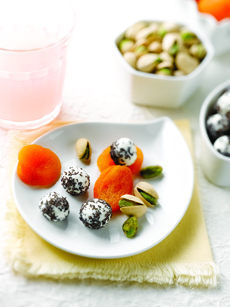
The new cheese, fruit and nut plate. Photo courtesy Wonderful Pistachios, GetCrackin.com.
 

Goat’s milk cheese has fewer calories and fat* than cow’s and sheep’s milk cheeses:

  • Goat Cheese: 80 calories/6 grams of fat per ounce
  • Cow Cheese: 100 calories and 10 grams of fat per ounce
  • Sheep Cheese: 110-120 calories per ounce, and 8 g to 10 g of fat
  •  
    *Category averages. Some cheeses may have more calories and fat.

    Turn soft goat cheese into truffles rolled in chopped nuts—pistachios are a delicious pairing—and you’ll discover a new way to enjoy cheese.

    RECIPE: GOAT CHEESE TRUFFLES

    Ingredients

  • 1 log (11 ounces) soft goat cheese
  • 3 tablespoons dried cranberries, finely chopped
  • 3/4 cup finely chopped pistachio nuts or grated dark chocolate (or half of each)
  •  
    PLUS:

  • 3 dried apricots or two fresh figs or other fruit per person
  • 1 tablespoon shelled pistachios per person
  •  
    Preparation

    1. Mash goat cheese in a bowl. Stir in minced cranberries.

    2. Scoop with a teaspoon and roll into truffle-size balls, 1 to 1-1/4 inches in diameter. Set on wax paper.

    3. Roll balls in chopped pistachios. Return to wax paper. Refrigerate until 20 minutes before serving.

    Assembly

    On a dessert-size plate, assemble the fruit, pistachios and 3-4 goat cheese truffles.

    WINE: Enjoy with a glass of moscato.

    LEFTOVERS: If you have extra goat cheese truffles, wrap them tightly in plastic film and serve them with tomorrow’s breakfast eggs or dinner salad. Add any extra pistachios, whole/shelled or chopped, to your salad as well.


    Comments off

    TIP OF THE DAY: How To Store Peanut Butter

    We received an email from a reader, asking: “How should I store my PB and how long will it last?”

    Large brands typically come with expiration dates (and possibly, preservatives). If you purchase an artisan brand, it has no preservatives; but it may not have an expiration date, either. So here are the guidelines:

  • Shelf. If you store the jar in a cool dry place, a jar of peanut butter will last for about 12 months. Although the ingredients can remain shelf stable beyond then, nuts can start to go rancid after a year or so, and your PB may develop an odor. Use your nose as your guide, and feel free to taste the PB to see if the flavor is still passable. It won’t harm you to eat it.
  • Fridge. If you store the jar in the fridge, the cold will buy you more time.
  • Microwave. If you refrigerate the PB, it will be harder to spread when cold. So tip #2 is: Take the lid off and microwave the jar for 20 seconds before spreading.
  •  
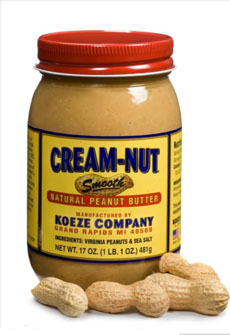
    Koeze is of our favorite artisan PBs. The company also makes spectacular chocolate peanut butter clusters. Photo courtesy Koeze.
     

    Find more of our favorite peanut butter brands, recipes and more in our Peanut Butter & Jelly Section.


    Comments off


    © Copyright 2005-2026 Lifestyle Direct, Inc. All rights reserved. All images are copyrighted to their respective owners.