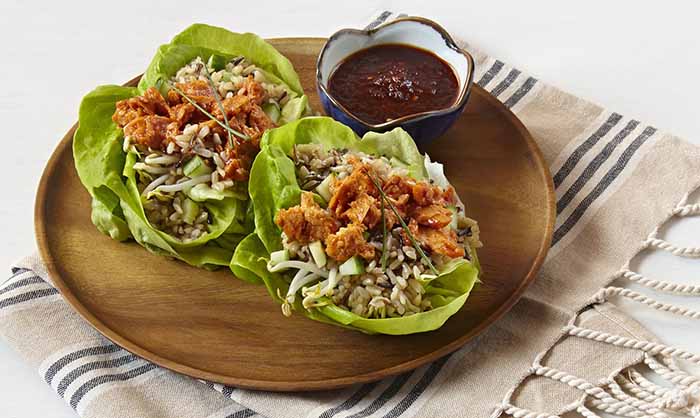
Pork Belly Lettuce Wraps Recipe For National Pork Belly Day
|
|
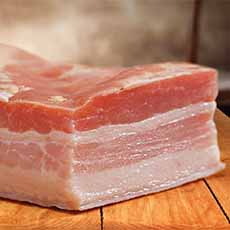
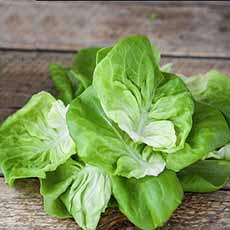
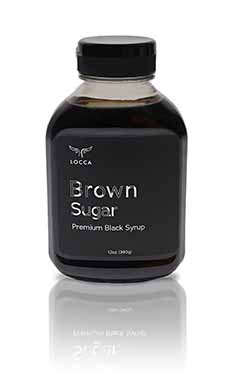
In honor of the World Cup Games in Brazil, Brazilian-Japanese fusion restaurant Sushisamba will be serving a signature dish from Chef Pedro Duarte: Kuromitsu Pork Belly Lettuce Wraps. Kuromitsu is a Japanese sugar syrup, similar to but milder than molasses. We could eat an entire tray of these sweetly glazed pork belly treats. Consider them as a first course for Father’s Day dinner…or make all four and keep them for yourself. > November 10th is National Pork Belly Day. > The year’s 24 pork holidays. > The year’s 27+ sandwich holidays. > The history of lettuce wraps is below. Kuromitsu is a Japanese sugar syrup, typically made from unrefined Okinawan kurozato (black sugar). The term means “black honey”; it is similar to molasses but thinner and milder. It is also called brown sugar syrup. It is used to add sweetness to sweet Japanese dishes. It is one of the ingredients used in making wagashi, and it serves well with kuzumochi, fruits, ice cream, and cakes. Drizzle it on your choice of Japanese sweets, such as anmitsu, shiratama dango, kudzu mochi, warabi mochi, or kinako on toast. Or on western-style pancakes. The syrup is also used in bubble tea recipes. You can find premade kuromitsu in Asian products stores, but here’s a recipe below. Prepare the pork belly a day in advance in advance (6 hours marinating plus 4 hours cooking). Ingredients For The Pork Belly Confit Yield: four five-ounce servings. 1. RUB the pork belly with the sugar/salt mixture and allow to marinate for 6 hours. 2. RINSE, pat dry, and submerge in a hotel pan (also called a steam table pan—a deep roasting pan will do) with the canola oil and bouquet garnish. Cover with tin foil and cook in the oven for 4 hours at 325°F. 3. REMOVE from the oil when the pork belly is soft and allow it to cool in the refrigerator with some weight on top. You can reuse the oil for another cooking process. When ready to serve… 4. MIX the lemon zest, palmito, and frisée to create the garnish. To plate, place 1 piece of pork belly on 1 piece of bibb lettuce. Brush the pork belly with kuromitsu glaze. Top with the fresh palmito-frisée salad. It’s delicious! Ingredients Per Serving 1. PREPARE the pork belly a day in advance in advance (6 hours marinating plus 4 hours cooking). To assemble: 2. MIX lemon zest, palmito, and frisée to create garnish. To plate, place 1 piece of pork belly on 1 piece of bibb lettuce. Brush pork belly with kuromitsu glaze. Top with the fresh palmito-frisée salad. It’s delicious! |
|
|
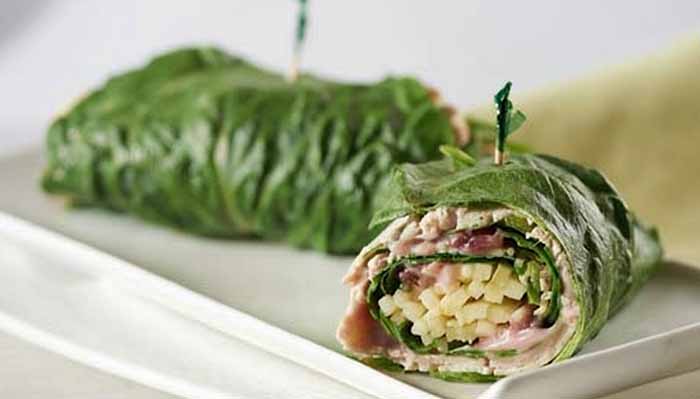
RECIPE #3: HOMEMADE KUROMITSU Ingredients For 1 Cup Thanks to Taste Of Zen for the recipe. 1. PLACE the sugars and water in a nonstick pot and heat over medium heat. Once the sugars start to melt, shake the pot extensively while gently stirring with a wooden spoon. Do not over-stir or lumps can form. While stirring, add hot water a little at a time. The syrup may bubble and spurt; wear protective clothing to avoid burns. When the sugar is completely melted… 2. REDUCE the heat and simmer over low heat for about 30 minutes, stirring occasionally. The syrup will thicken and a caramel-like aroma will emanate. If the syrup starts to lump or stick to the bottom of the pot, lower the heat. 3. REMOVE from heat and let cool. Store any extra syrup in an airtight glass jar at room temperature or in the fridge. It should keep for 2 to 3 months. Bring refrigerated syrup to room temperature before using (you can heat it for 10 seconds in the microwave). While the recipe above uses Bibb lettuce, we’re taking a moment to show you all the options for wrap sandwiches. While Americans may think that lettuce wraps appeared out of nowhere in the 1990s, using leaves as edible wrappers is an ancient practice. Long before flatbreads* were common, people in many regions used large leaves (grape, cabbage, lettuce) to bundle fillings. The best-known ancestor of today’s wraps is the Cantonese san choy bao (also spelled sang choy bow)—stir‑fried minced meat, mushrooms, water chestnuts, and aromatics spooned into crisp lettuce cups. It likely emerged from southern Chinese banquet cuisine where. Variations appear in regional Chinese cooking with different lettuces and fillings (chicken, pork, seafood, tofu). The concept of lettuce- and herb-wrapping expanded across Southeast Asia and became integral to dining. Lettuce wraps appeared in Chinese restaurants in North America in the late 20th century, then went mainstream in the 1990s. Chains such as P.F. Chang’s popularized chicken lettuce wraps in 1993, introducing the format to a broad audience. From the 2000s onward, lettuce wraps have been embraced for their fresh, lighter alternative to bread and fitting in to low‑carb/gluten‑free eating trends (paleo, keto). Chefs now use diverse fillings—tuna tartare, pulled pork, tofu, or grains—and a range of leaves (butter, romaine hearts, little gems, even cabbage) for texture and durability. It’s so easy to make wraps at home. Source: Abacus A.I.
*Evidence dating to 12,400–14,500 years ago shows that hunter‑gatherers in northeastern Jordan made an unleavened flatbread from wild cereals—millennia before the start of farming. By the early agricultural era in the Fertile Crescent, 9,000–10,000 years ago, domesticated grains (emmer, einkorn, barley) were routinely ground and baked into flatbreads on hot stones, hearths, or tandir/tabun ovens. |
||