Celebrate International Waffle Day With These Recipes & More
|
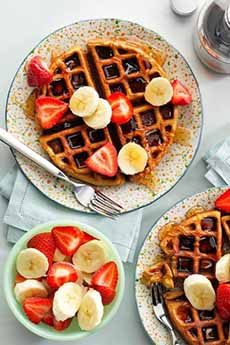
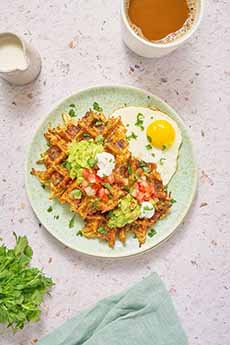
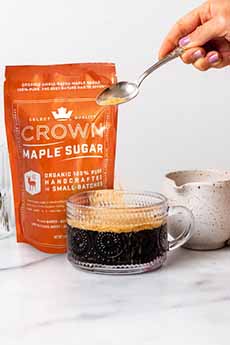
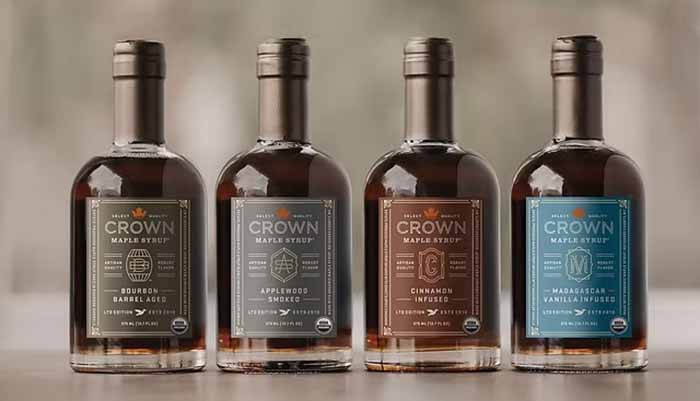
International Waffle Day, which originated in Sweden, is celebrated in the U.S. on March 25th. It’s one of six annual waffle holidays. That means you can celebrate a waffle holiday six times year! Prepared sweet or savory, they can be served at breakfast, lunch or dinner. (Check out these recipes). In different parts of the world, waffles as well as pancakes are topped with confectioners’ sugar, honey, jam, even peanut butter. In an episode of “Call the Midwife,” which takes place in London, a character just returning from a long visit to the U.S. says something along the lines of, “Thank goodness I can have waffles with sugar and lemon again.” It turns out the U.K. garnish is a sprinkle of sugar and lemon juice. It’s not surprising: pancakes and waffles existed before America and its maple trees were discovered. But in the U.S., what are waffles without maple syrup? And what’s with the different types of maple syrup? Below: > A recipe with a twist: waffles with maple sugar. > The different grades of maple syrup > Crown Estate premium maple syrup. Elsewhere on The Nibble: > The different types of pancakes and waffles: a photo glossary. > Different and delicious: sweet and savory waffle recipes. > A detailed history of waffles. > The year’s 8 waffle and French toast holidays. The Waffle Iron. The waffle iron—enabling pancake-type foods to be turned into textured waffles—was created in the 1200s, when a [presumably] pancake-loving craftsman combined cooking plates that reproduced a pattern of honeycombs. The Electric Waffle Iron. The electric waffle iron was introduced in 1911 by General Electric. Types Of Waffles. There are at least 11 varieties of waffles: American, Belgian/Brussels, Liège, Hong Kong Waffle, Krumcake, Malt, Pizzelle, Potato, Soft, Stroopwafel and, yes, Toaster. Take a look at the types of waffles. Here’s a comprehensive history of waffles. Here’s a recipe from Crown that uses maple sugar instead of table sugar for even more maple flavor. Ingredients For 6 Large Waffles 1. PREHEAT waffle iron to desired temperature. 2. COMBINE all dry ingredients in large mixing bowl and set aside. 3. BEAT eggs in a separate bowl; stir in milk, butter and vanilla. Pour milk mixture into the flour mixture; beat until blended. 4. LADLE batter into heated waffle iron and cook until golden brown; serve immediately with maple syrup. Maple sugar is made from the sap from the maple tree, as opposed to the juice of sugar cane, from which table sugar is made. It has the same strong maple flavor and aroma as maple syrup. The sap is boiled until almost all of the water has been evaporated; the remaining product has crystallized. The sugar can be sold in large blocks, molded into small shapes or simply ground into a granulated version that can be used like regular sugar. Maple sugar can be used in the same way as cane sugar: in coffee, tea, baked goods and cocktails. It adds more complexity and richness than cane sugar. However, is almost twice as sweet as regular sugar, so when replacing cane sugar, you need to reduce the amount. Try using one-third less, and adjust to taste. |
|
|
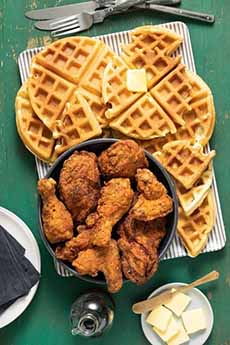
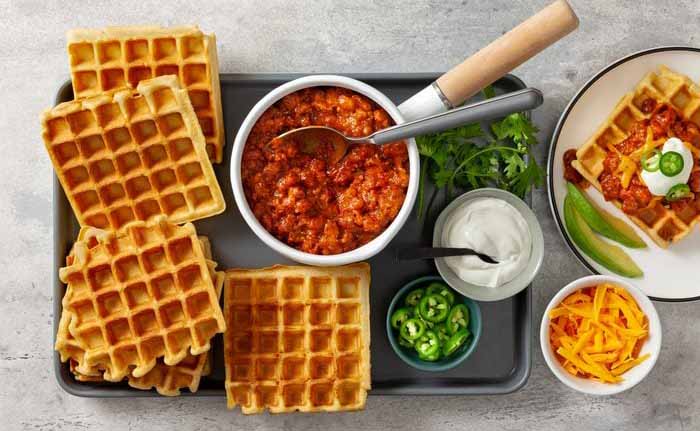 [6] Something different: cornbread waffles and all the fixings. Here’s the recipe. GRADES (TYPES) OF MAPLE SYRUP Because maple syrup is tapped in the winter, it has traditionally been seen as a winter flavor. But just like honey and sugar, it can be enjoyed year-round in recipes from cocktails to salad dressings and marinades to desserts. If you’re confused by the four grades of maple syrup (A Light Amber, A Medium Amber, A Dark Amber and B) here’s an explanation of the different types. The Center Of Syrup. Canada produces more than 80% of the world’s maple syrup, the vast majority in Quebec. Vermont is the biggest U.S. producer, followed by New York and Maine. We recently received a bottle of Crown Maple syrup, certified organic. It is produced by Madava Farms, a family business in the historic Hudson River Valley of New York (Dutchess County). There, 800 acres of century-old, sustainably managed groves of sugar and red maples enjoy perfect soil and ideal seasonal weather conditions to produce a superior sap for maple sugaring. But production is a key determinant of quality. Far from the old primitive sugar house, Crown premium maple syrup is made at the most advanced maple syrup production facility in the country. The pristine sap collected from the maples is cooked using the latest in green, organic production techniques to produce syrups of exceptional quality. As you can see from these tasting notes, different grades pair better with specific recipes. Light Amber Syrup Dark Amber Syrup A 12-ounce bottle, gift boxed, is $16.95; a samplers of all three is $59.95; and a “petite trio” of three small bottles (1.7 ounces each) is $15.95. An 12-ounce bottle of Extra Dark Syrup for Cooking is $27.95. A 10-ounce bag of maple sugar (see below) is 10.95. Buy them online at CrownMaple.com. CHECK OUT WHAT’S HAPPENING ON OUR HOME PAGE, THENIBBLE.COM.
|
||