Pairing Wine With Sushi, Sashimi, Poke, & Any Raw Fish Dish - The Nibble Webzine Of Food Adventures Pairing Wine With Sushi, Sashimi, Poke, & Any Raw Fish Dish


THE NIBBLE BLOG: Products, Recipes & Trends In Specialty Foods


Also visit our main website, TheNibble.com.

Pairing Wine With Sushi, Sashimi, Poke, & Any Raw Fish Dish

We at a lot of sushi, and typically default to sake or beer to accompany it. That’s because we’re fussy about wine, and most neighborhood places around us tend to have generic jug wines.

But the number of upscale sushi emporia is mushrooming in our town, with omakase dinners from $150 to the Hinoki Counter Experience at Masa, where a seat at the sushi counter costs $950 per person, beverages extra.

Omakase restaurants tend to have nice wine lists, which begets the question: What wines should you pair with sushi?

Pairing wine with sushi and sashimi is a fun exercise. The delicacy of raw fish and seafood, the tang of rice vinegar, and the hit of wasabi invite the suggestions that follow.

But first:

> The year’s sushi holidays and other Japanese food holidays.

> Sushi Glossary: a photo glossary of the different types of sushi and sashimi.

> The history of sushi.

> The year’s 25+ red wine holidays.

> The year’s 22+ white wine holidays.

You can always find beer and sake and a wine options, but some of the wines we see are not as sagely listed as they could be.

> The year’s 6 sushi holidays plus 10 more Japanese food holidays.
 
 
WINES FOR SUSHI, SASHIMI, POKE, & OTHER RAW FISH & SEAFOOD DISHES

Before we drill down into Western wines, we must give sake its due. It’s often called rice wine, although it’s actually a brewed alcoholic like beer (see more in the †footnote). Like beer, it’s brewed in different styles from dry to sweet, and sold in different qualities, from average to excellent.

Do if you don’t like sake, do try some of the good stuff. It goes with any type of raw fish or seafood dish.

Onto the wines: Delicate flavors like raw require wines that will not overwhelm—wines that are balanced and refreshing. Here are five categories that work, depending on your palate preference and what you’re consuming.
 
 
1. Sparkling Wines

  • Champagne, Crémant, or Cava: Bubbles cut through the richness of fatty tuna or salmon. Brut styles work best, but an extra brut or zero dosage are also delicious.
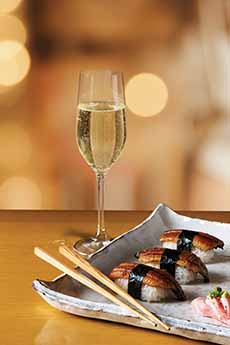
  • Prosecco: Lighter and fruitier, a good choice for rolls with sweeter sauces (e.g., eel sauce).
  •  
    Dry sparkling wines are perfect palate cleansers, so if you like to sip between each different fish, head for the bubbles.
     
    2. Crisp Whites

  • Albariño or Verdejo: Bright, saline-driven whites that echo the freshness of the sea.
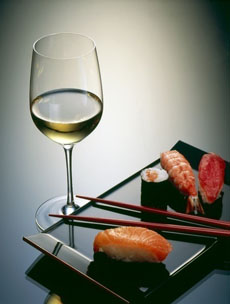
  • Chablis or Chardonnay (unoaked): Mineral, clean, and crisp — excellent for sashimi purists.
  • Chenin Blanc: The wine’s bright acidity makes it a great partner for oily, rich, or spicy fish: mackerel, tuna, spicy rolls, and tempura rolls. Drier styles are excellent choices for tuna and tempura, while off-dry or sweet Chenin is delightful with spicy sushi.
  • Pinot Grigio: Pinot Grigio has citrus flavors that will balance any sushi or sashimi dish. It also pairs beautifully with California rolls.
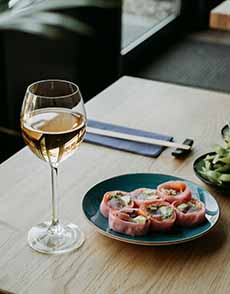
  • Sauvignon Blanc: We especially like those from the Loire (Sancerre, Pouilly-Fumé) or New Zealand. They’re grassy, citrusy, and crisp—perfect for sushi with shiso leaf or vegetable rolls. Also pair it with a shrimp tempura roll.
  •  
     
    3. Aromatic Whites

  • Gewürztraminer: The “exotic” floral and lychee notes of these wines are wonderful to balance bold flavors (spicy rolls, eel) and the saltiness of soy sauce.
  • Grüner Veltliner: If you like a good amount of wasabi, the citrus notes (lemon, lime, grapefruit) and hints of white pepper make Grüner a match.
  • Riesling: Dry to off-dry Riesling is another good choice for spicy rolls and wasabi.
  •  
     
    4. Rosé

  • Provençal Rosé: Versatile dry rosé complements a wide range of fish and seafood—from fatty fish like salmon and tuna, scallops, white-fleshed fish, vegetarian sushi, and California rolls.
  • Sparkling Rosé: The fruitiness of rosé sparklers works nicely with spicy rolls or sauces and other robust flavors.
  •  
     
    5. Light Reds

    Yes, you can have red wine with sushi and sashimi! But select low-tannin wines, high acid wines like the two varietals here, and serve them slightly chilled. Heavy oak, bold tannins, and very high alcohol will overpower delicate fish flavors.

    In general, drink high-acid wines with fish that are heartier, fatty, and buttery like amberjack, eel, mackerel, salmon, tuna (especially toro, fatty tuna belly), yellowtail, even sea urchin (uni).

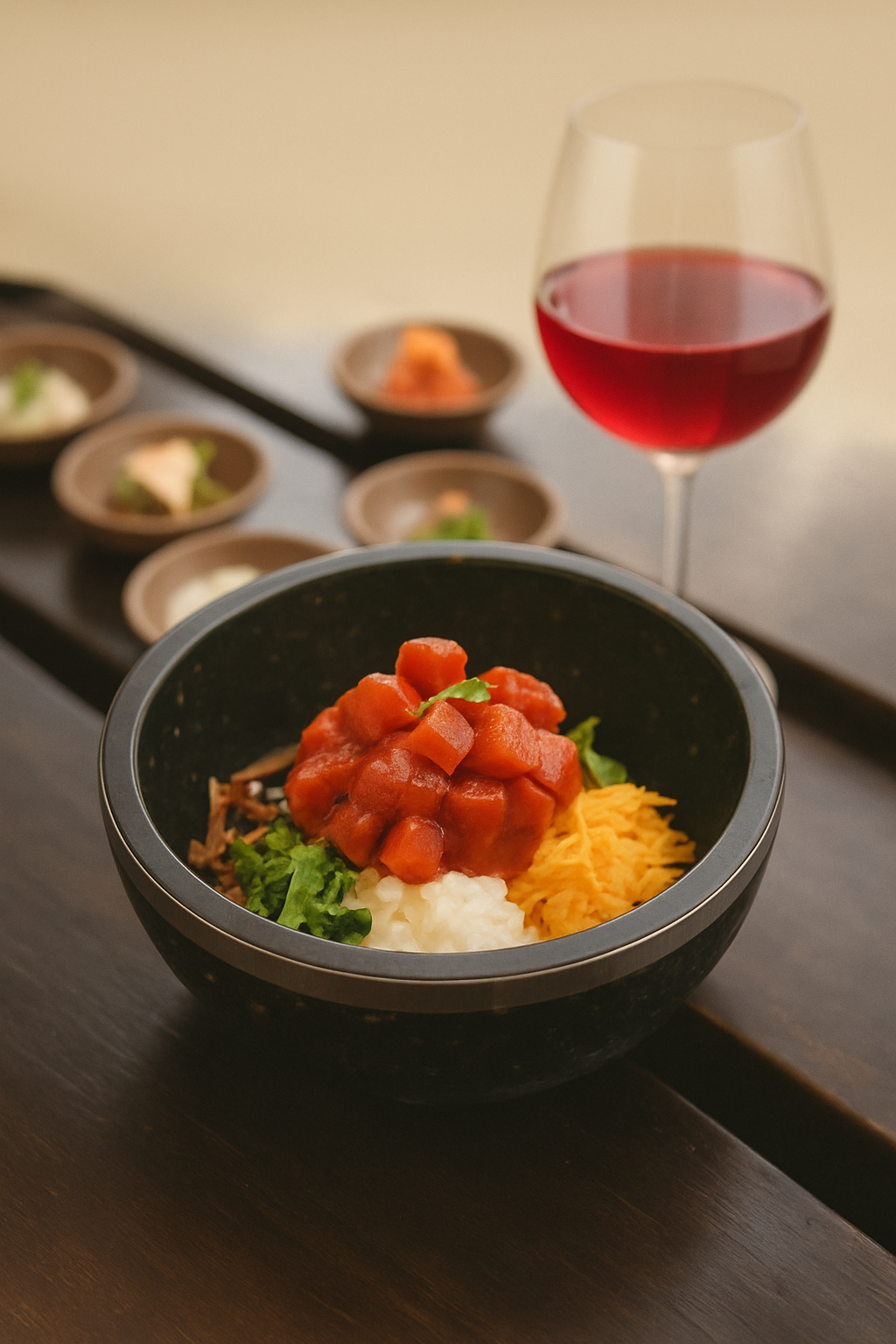
  • Beaujolais (Gamay): Fruity and low in tannin, the Gamay grape makes wines that work well with sushi. They’re a slam-dunk with grilled eel or mushroom rolls.
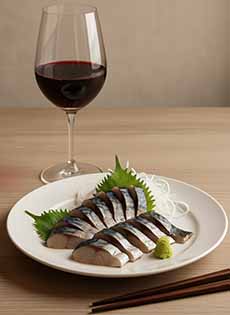
  • Pinot Noir: A light-bodied version offers red fruits and acidity. Especially good with tuna and other dark-fleshed fish like mackerel. Interestingly, we also enjoy it with a Philadelphia roll (salmon and cream cheese)
  •  

    Wine & Sushi
    [1] Chablis, an unoaked Chardonnay-based wine, or other unoaked Chardonnay, is crisp and universally compatible with sushi (photo © Lognetic | Dreamstime).

    Sushi & White Wine
    [2] Sauvignon Blanc with a sakura (cherry blossom) roll, pink beancurd (soy paper) wrapper. This one is vegetarian, with shiitake mushrooms, asparagus, and cucumber (photo © Marta Filipczyk | Unsplash).

    Eel Nigiri Sushi With A Glass Of Prosecco
    [3] Sparkling wine is also versatile, but a glass of Prosecco complements sweet sauces, such as eel sauce* (A.I. photo).

    Tuna Poke With Beaujolais
    [4] Red wine enthusiasts: Enjoy Beaujolais with tuna and heartier fish like eel, mackerel, and salmon (photo © Dons Bogam | NYC).

    Mackerel Sashimi With Pinot Noir
    [5] Mackerel sashimi with Pinot Noir (A.I. photo).

     
    ________________
     
    *Eel sauce, also known as unagi sauce and kabayaki sauce, eel sauce is a thick, sweet-and-savory glaze made from soy sauce, mirin, and sugar, reduced to a syrupy consistency. Despite its name, it does not contain eel; the name refers to its traditional use as a glaze for grilled freshwater eel (unagi). It is a popular condiment in Japanese cuisine, served not just with sushi, but with rice bowls, grilled meats, and vegetables.

    Sake is made from rice, water, koji mold, and yeast. Like beer, it is made from grain, and its brewing process is similar to that of beer, involving the conversion of starch to sugar. Wine, on the other hand, is a process of fermenting fruit sugar into alcohol (even wines made from flowers, such as dandelion, elderflower, or rose hips, are considered fruit).


    CHECK OUT WHAT’S HAPPENING ON OUR HOME PAGE, THENIBBLE.COM.


    Please follow and like us:
    Pin Share


    Comments are closed.

    The Nibble Webzine Of Food Adventures
    RSS
    Follow by Email


    © Copyright 2005-2025 Lifestyle Direct, Inc. All rights reserved. All images are copyrighted to their respective owners.