Savory Bread Pudding Recipes & The History Of Bread Pudding
|
|
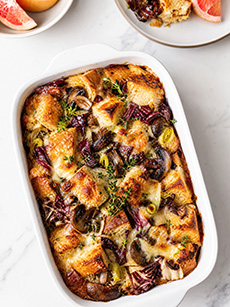
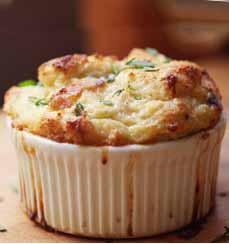
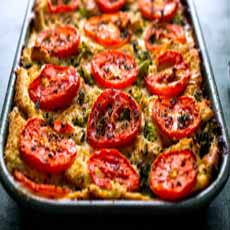
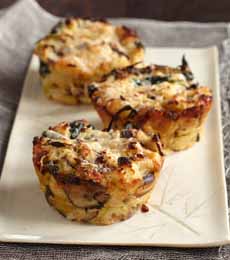
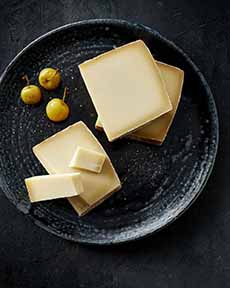
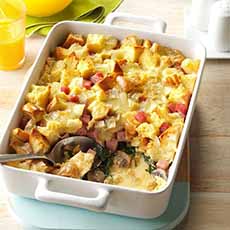
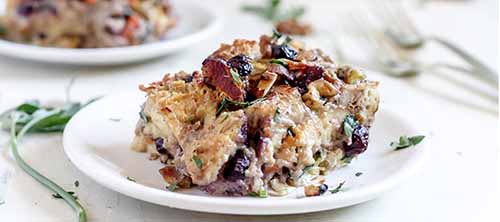
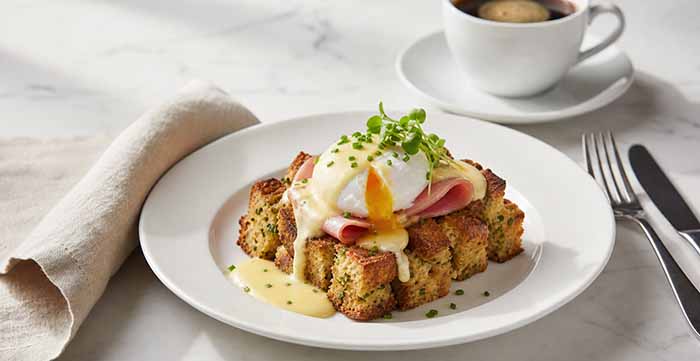
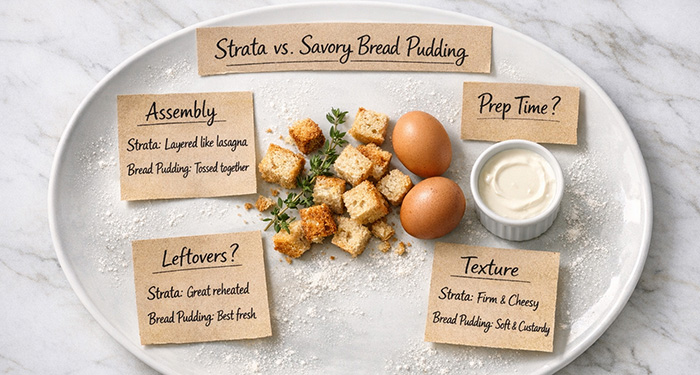
Bread pudding is a popular dessert—sweet, custardy, comfort food. It turns no longer fresh bread into something sublime. Leave out the sugar and you have a savory bread pudding, to be served as a side with dinner. In fact, bread pudding was originally a savory dish, served as a side with dinner. For the poor, it might have been the dinner. Sugar was frightfully expensive in Europe until the mid-19th century. It remains a welcome side dish, but can also replace a frittata, strata, or quiche at brunch. Below: > a brief history of bread pudding. > Featured recipe: Savory Bread Pudding With Mushrooms & Radicchio. > More savory bread pudding recipes. > Different ways to serve savory bread puddings. > The difference between a savory bread pudding and a strata. > The difference between savory bread pudding and stuffing/dressing. > Recipe: Bread Pudding Eggs Benedict. Elsewhere on The Nibble: > The year’s 20+ bread holidays. > The different types of bread: a photo glossary. > The year’s 24 pudding holidays. Bread pudding as we know it today originated in the 11th or 12th century as a way to use stale bread (the same with French toast). Pieces of bread were cut or torn, combined with other ingredients (cheese, onions, mushrooms, other vegetables, bits of meat), topped with custard, and then baked until the top was set but the inside was soft and creamy. Bread pudding is closely related to the Italian dish, strata. The difference is that stratas are typically made with more eggs than cream, making them eggier and more breakfasty—kin to a frittata or a quiche rather than a custard. The same ingredients can be used with all. The differences are in the proportions, and a strata traditionally uses milk instead of cream. A soufflé dish or casserole makes the nicest presentation at the table, but you can make bread pudding in a baking pan. Another nice touch is individual servings, made in ramekins, custard cups, or even muffin pans. If you don’t like mushrooms and radicchio, substitute the same quantity of ingredients you do like; or check out the recipes in the photos or the list below. TIP: Proteins—chicken, meats, shellfish, smoked fish—are delicious add-ins. Dice or shred leftovers and toss them in. This recipe hails from San Francisco, courtesy of Tartine Bakery’s Chad Robertson and Good Eggs, the Bay Area’s premium grocery delivery service. You can assemble the dish a day ahead and refrigerate it, letting it come to room temperature before baking. Prep time is 25 minutes, and cook time is 50 minutes. Bake the pudding an hour before you plan to serve it. Ingredients For 4-6 Brunch Servings 1. PREHEAT the oven to 375°F. While the oven heats… |
|
|
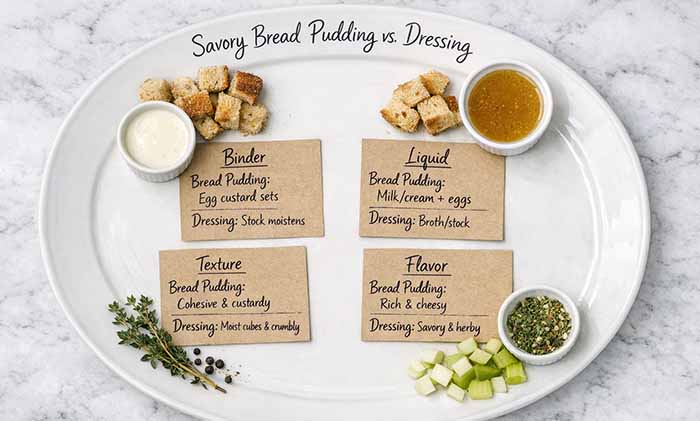
2. MELT the butter in a skillet over medium heat. Add the leeks and sauté until soft, 6 to 8 minutes. Add the wine and cook, stirring occasionally, until most of the wine evaporates—about 5 minutes. Remove from the heat. 3. HEAT a large, heavy-bottomed skillet over high heat. Add enough oil to coat the bottom of the pan. When the oil is smoking, arrange the mushrooms cut-side down in the pan and cook without stirring until they are seared and caramelized, about 1 minute more. Stir the mushrooms; add the radicchio and cook until it is wilted, about 1 minute. Season to taste. Remove from the heat. 4. MAKE the custard. Whisk the eggs and salt in a bowl until well blended. Add the cream, milk, pepper, nutmeg, thyme, 2/3 cup cheese, and ham and whisk to combine. 5. PLACE the bread chunks in an 8-inch soufflé dish and add the leeks, mushrooms, and radicchio. Pour in the custard all the way to the rim. Sprinkle evenly with the ½ cup cheese. Let stand for 8 to 10 minutes until the custard saturates the bread. 6. BAKE until the custard is no longer runny in the center, about 50 minutes. Let the pudding rest for 15 minutes before serving. We love bread pudding as a side with dinner: roast chicken, seared salmon, pork chops, etc. It’s a more interesting relative of stuffing/dressing (see the comparison below). But consider these uses: The line between a strata and a savory bread pudding is very thin. They share the same DNA: bread, eggs, and milk or cream. In many kitchens, the terms are used interchangeably. But there are two traditional differences that distinguish them: the assembly method and the soak time. 1. Assembly: Layering vs. Tossing The name “strata” is derived from the word stratified, meaning layers. Savory bread pudding and dressing/stuffing‡ share a common foundation of bread, liquid, and aromatics. The primary differences lie in the ratio of the ingredients, the role of egg, and the resulting texture. Bread pudding uses a custard base: a high volume of milk or heavy cream and several eggs that creates a rich, protein-based custard. When baked, the eggs set, holding the bread together in a cohesive structure that is soft and custardy. Dressing or stuffing, on the other hand, uses liquid (usually chicken or turkey stock) primarily for moisture rather than structure. While many dressing recipes do include a single egg as a binder, it doesn’t create a custard. The goal of dressing is to have individual pieces of bread that are moist but still somewhat distinct. Bread pudding, custardy and savory, has a dense, silky, and moist interior, just like a dessert bread pudding. It can be served as a main course or a substantial brunch dish because it is so heavy and rich. Savory bread pudding frequently features ingredients like sautéed leeks, Gruyère or sharp Cheddar cheese, mushrooms, and greens like kale or spinach. It can stand alone with a side salad, or itself be a side to a main course. Dressing and stuffing, on the other hand, should be fluffy and crumbly. The bread cubes should be tender but not saturated to the point of melting into one another like bread pudding. There should be contrast between the moist interior and the crispy, browned top layer of the cubes. Stuffing or dressing is almost exclusively a side dish, traditionally served alongside roasted poultry. It’s seasoned heavily with herbs like sage, thyme, and rosemary to complement the meat. †Semihard cheese is a classification based on the weight and texture of the body (paste). They are not hard cheeses, like Aged Gouda, Mimolette, or Parmesan, but yield easily to a knife. Examples include Colby, Comte, Edam, Gouda, Jarlsberg, Manchego, Queso Blanco, and “Swiss.” ‡Dressing and stuffing are essentially the same dish. Stuffing is cooked inside the cavity of the bird (e.g. turkey), while dressing is baked separately in a casserole or baking dish. The practice of stuffing meats and poultry is as old as cooking itself; the term “stuffing” was first appears in English in 1538, although the practice existed long before. In the U.S. by the early 19th century, the term “dressing” appeared in Southern cookbooks and began to supplant “stuffing” as a more refined term, with “stuffing” deemed too crass for polite conversation. CHECK OUT WHAT’S HAPPENING ON OUR HOME PAGE, THENIBBLE.COM. |
||