Holiday Bundt Cake Recipes: Easy, Delicious, & Fun
|
|
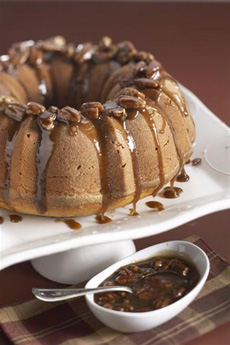
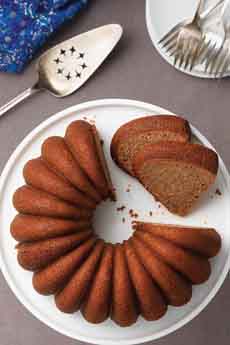
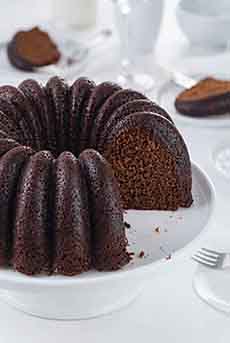
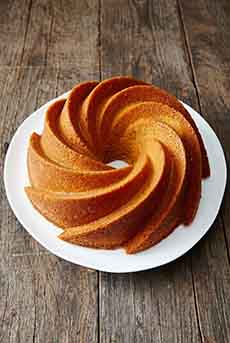
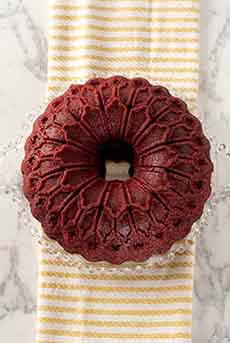
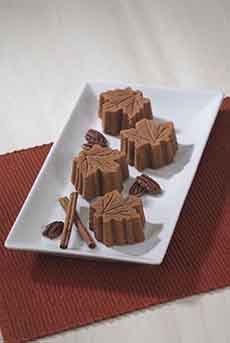
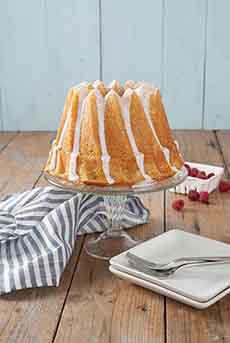
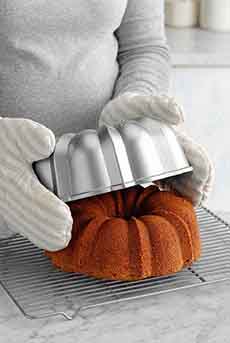
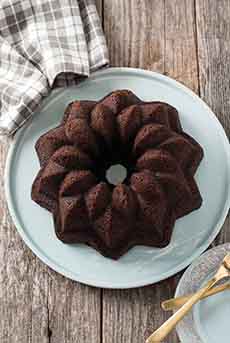
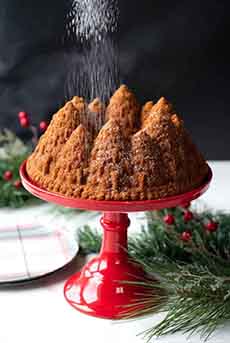
Updated August 2026 You don’t have to know how to decorate a cake to put a lovely one on the table. That’s one of the reasons Bundt cakes are so popular: Just pour batter in the pan, and a beautifully shaped cake emerges, dense like a loaf cake or bread. No icing required, no layers to fill: What could be easier? Although the original Bundt cake design of alternating flutes and ridges (photo #1) is crisp, architectural, and engages the eye, Nordic Ware, inventor of the Bundt pan, went much further. Over the years, the company has produced many Bundt pan designs, from elegant to fun to nostalgic to seasonal. We can’t help ourselves: Every couple of years, we buy another one. If you see something you like, don’t hesitate: It could soon be replaced by something else. That’s how we lost out on this Turkey Bundt Pan. Last year when the Elegant Party Bundt was introduced (photos #2 and #3), we did not delay and it’s become our favorite “everyday” Bundt. The flutes are narrower, creating smaller slices with no fuss, and the overall look is elegant. Fall themes include: > Gingerbread Bundt Cake recipe. > The history of the Kugelhopf. Elsewhere on The Nibble: > The different types of cakes: a photo glossary. > The year’s 55+ cake holidays. We looked at the entire selection, and found these styles to be fall-appropriate, including Chanukah and Christmas: Styles come and styles go, so here’s the current selection of dozens of Bundt pan designs, including the Very Merry Bundt (Christmas trees) and the Holiday Wreath Bundt. This recipe from King Arthur Flour fills a 10- or 12-cup Bundt pan. Ingredients For The Cake 1. PREHEAT the oven to 350°F. Lightly grease a 10- to 12-cup Bundt pan. 2. WHISK together the flour, gingerbread spice, salt, baking soda and baking powder in a large bowl. Set aside. 3. BEAT beat together the butter and sugar in a separate bowl, until fluffy. 4. ADD the eggs one at a time, beating well and scraping the bottom and sides of the bowl after each addition. Stir in the molasses. 5. ADD the flour mixture in three additions alternately with the water, starting and ending with the flour. Mix just until smooth. Pour the batter into the prepared pan, smoothing the top. 6. BAKE the cake for 55 to 65 minutes, or until a cake tester inserted into the center comes out clean. While the cake is baking… 7. MAKE the glaze by stirring together the water spice and sugar. Set aside. 8. REMOVE the cake from the oven, cool it in the pan for 10 minutes, then turn it out onto a rack. Brush the cake with the glaze, and allow it to cool completely before serving. It started with a special cake pan, the Kugelhopf, from Vienna; but let’s begin a century later, with the modern Bundt pan. The History Of The Bundt Pan The Bundt pan was created in 1950 by H. David Dahlquist, the founder of Minneapolis-based Nordic Ware, a manufacturer of kitchenware products. He did so at the request of Rose Joshua and Fannie Schanfield, members of the Minneapolis chapter of Hadassah, a Jewish women’s service organization. According to an article in the Fall 2005 issue of Generations, the newsletter of the Jewish Historical Society of the Upper Midwest, Fannie remembers a Hadassah luncheon when Rose lamented the quality of light and fluffy American-style cakes, and longed for the rich, dense cakes of her European childhood. These, however, required a special type of of pan—one with a hole in the center that allowed heat to penetrate heavy cake batter from all sides. With this type of form, a heavier batter could be baked without leaving under-baked dough in the center. Fannie’s husband arranged a meeting with Dahlquist, and Rose joined her to show Rose’s mother’s ceramic Kugelhopf cake pan. This became the prototype for the Bundt pan (a contemporary aluminum version of the Kugelhopf is shown in the photo at the right). Dahlquist modified the design by introducing folds in the fluted edges, and fashioned the pan out of aluminum. Some months later, a dozen Nordic Ware factory “seconds” were delivered to Hadassah member Mary Juster’s home, and Hadassah sold the pans to members for $4.00 each. The original kugelhopf, a Viennese specialty, is a sweet yeast-bread similar to brioche and panettone; the traditional version usually contains yeast, raisins or currants and is topped by a snowy layer of powdered sugar. It was a favorite of the Austrian princess Marie Antoinette (yes, that Marie Antoinette). Over the years, denser cakes were baked in the same fluted molds. The original molds were earthenware; later molds were made of glass or metal. The name kugelhopf derives from the German word Kugel, meaning round or ball (“Kugelkopf,” with a “k,” means “spherical head”), although the actual kugelhopf somewhat resembles a pleated hat like a turban or toque. The way the story is told, the name Bundt comes from the German word Bund, which means “community” or “a gathering of people”; and that Dahlquist just added the letter “t” to the end and trademarked the word. However, there is a citation for a “bundt form” as early as the 1903 edition of the famous Milwaukee Settlement Cookbook†, 63 years before Dahlquist filed for his trademark on March 24, 1966. One can imagine that the Jewish women of Milwaukee had the cookbook and asked for a Bundt pan. Still, Dahlquist was granted the patent. In 1960, the Good Housekeeping Cookbook showed a pound cake baked in a Bundt pan; that feature turned the Bundt into the number-one selling cake pan in America. But it was the 1966 Pillsbury Bake-Off, where the Tunnel of Fudge Cake recipe baked in a Bundt won second place, that launched America’s love for Bundt cakes. While many Americans spell Bundt with a capital “B,” which is the correct German spelling. These recipes are from King Arthur Flour, the source for the finest baking ingredients and recipes. Be sure to read the tips from customers who have made the recipes (scroll to the bottom of each page). |
|
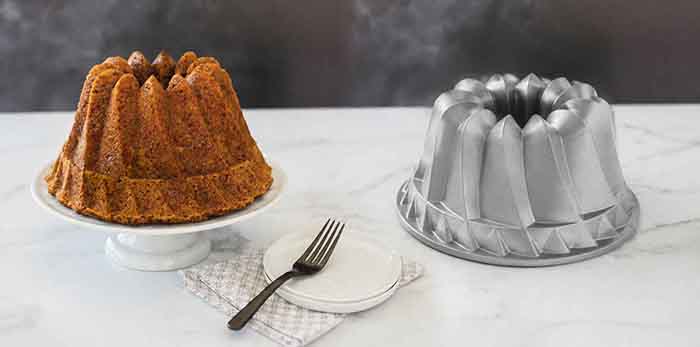 [11] The original kugelhopf was taller, more turban-shaped. Today’s Kugelhopf is still taller than a Bundt, and tapers up (photo © Nordic Ware). __________________ †In the 1903 Milwaukee Settlement Cookbook, “Bundt form” is found on page 319 in the following text (under BUNDT KUCHEN, No. 2): “Grease Bundt form (a heavy round fluted pan with tube in center) well, and flour lightly. Cream butter and sugar well, add beaten yolks and beat, then the raised mixture and the rest of the flour, and lastly the beaten whites. Pour in pan, let rise until very light, and bake until well done and brown in a moderately hot oven, about forty-five minutes.” (Read details of the Settlement Cookbook source material). The Settlement Cookbook, first published in 1901 in Milwaukee to raise funds for the Settlement House for immigrants, is considered to be the most successful fund-raising cookbook in American history. It is still in print; the 1976 edition was named to the James Beard Cookbook Hall of Fame. CHECK OUT WHAT’S HAPPENING ON OUR HOME PAGE, THENIBBLE.COM. |
||