THE NIBBLE BLOG: Products, Recipes & Trends In Specialty Foods


Also visit our main website, TheNibble.com.

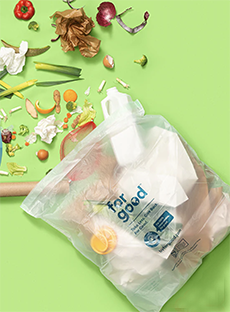
For Earth Day, Compostable Food Storage Bags & Wraps From For Good

Every year for Earth Day, April 22nd, we try to implement one small thing to help save the planet. For years, we’ve been carrying empty cans and bottles back home to recycle. We established a “Saturday seek-out” to find leftovers and produce from the past week that is about to expire, and we eat them before they become food waste, a major contributor to climate change.

This year we discovered For Good compostable food wrap and zipper bags. If you’ve been hearing about the dangers of microplastics, the impact of plastic bags on the environment, and some dangers of plastic food wraps, you need to take a look at the products from For Good.

For Good is a family of sustainable, compostable household staples. The brand has wraps and bags that break down into carbon and water, leaving no trace of microplastics. You can get earth-friendly, feel-good:

  • Food wrap (cling wrap)
  • FSC Certified* Parchmant Paper
  • Trash bags (3, 4, and 13 gallon)
  • Zipper bags (snack, sandwich, storage)
  •  
    They are as sustainable as they are functional and convenient. They are:

  • Plant-based, compostable plastic (PLA and PBAT).
  • Match the performance and strength of conventional food wraps.
  • Have a kinder end of life and are made responsibly.
  •  
    One percent of every purchase goes to providing nutritious meals to food-insecure communities.

    HEAD TO FOR GOOD AND ORDER SOME BETTER-FOR-THE-EARTH SUPPLIES.

    There’s free shipping on your first order


    For Good Plastic Wrap
    [1] For Good’s compostable food wrap (both photols © For Good).

    For Good Zipper Bag
    [2] There are compostable zipper bags in three sizes.

     
    ________________

    *FSC, the Forest Stewardship Council is an international non-profit, multistakeholder organization established in 1993 that promotes responsible management of the world’s forests.


    CHECK OUT WHAT’S HAPPENING ON OUR HOME PAGE, THENIBBLE.COM.


    Comments off

    A Year Of National & Worldwide Tea Holidays

    Irish Breakfast Tea
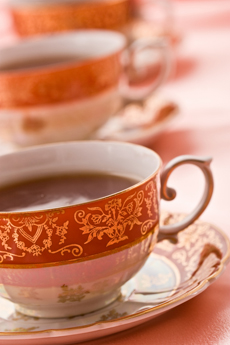
    [1] A toast to Queen Elizabeth (photo © AG Photographer | Canstock Photo).


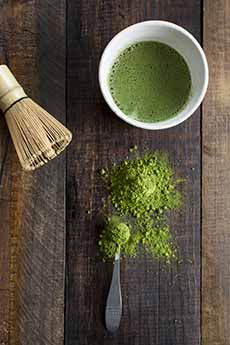
    [2] There are two matcha holidays: February 6th in Japan and May 2nd in the U.S. You can celebrate both (photo © Matcha Co. | Unsplash).

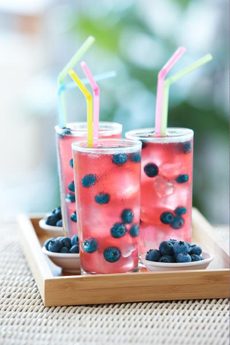
    Red, White & Blue Lemonade [3] Hibiscus iced tea with blueberries (photo © Blueberry Council).


    April 21st is the birthday of England’s Queen Elizabeth, born in 1926. It’s also National Tea Day in the U.K., created in her honor. But there are many more national tea holidays in the U.S., and others to celebrate worldwide.

    In fact, a list of 24 tea-related holidays follows.

    So, fellow tea lovers: get ready to celebrate year-round, guided by the list that follows. There’s at least one holiday in every month except July.

    (July is National July Belongs to Blueberries Month, so perhaps some blueberry iced tea—photo #3?)

    The holidays originated in the U.S., except as noted.

    But no matter what country or people established the holiday, you can celebrate alongside them.

    For National Caffeine Awareness Month (March), celebrate with decaffeinated tea or herbal tea.

    > The history of tea.

    > The history of iced tea.

    > The history of tea bags.

    > The history of afternoon tea.

    > The different types of tea and terminology: a photo glossary.
     
     
    THE YEAR’S 24 TEA HOLIDAYS & RELATED DAYS

  • January: National Hot Tea Month
  • January 12th: National Hot Tea Day
  • February 6th: Matcha Day (Japan†)
  • March: National Caffeine Awareness Month
  • March, 3rd Tuesday: Tea For Two Tuesday**
  • April 21st: National Tea Day (U.K.)
  • April 30th: National Bubble Tea Day
  • May 2nd: National Matcha Day
  • May 2nd: Green Tea Day† (Japan)
  • May 21st: International Tea Day
  • June: National Iced Tea Month
  • June 10th: National Iced Tea Day
  • June, Last Friday: National Cream Tea Day (U.K.)
  • August, Second Full Week: Afternoon Tea Week (U.K.)
  • Third Saturday in August, World Honey Bee Day
  • September: National Honey Month
  • September 3rd: National Afternoon Tea Day*
  • September 21st: National Chai Day
  • October 1st: Japanese Tea Day (Japan†)
  • October 31st: Japanese Tea Day (Japan†)
  • November 1st: Genmaicha Day (Japan†)
  • November 23rd: One Cup Of Tea Day (Japan†)
  • November 30th: National Maté Day (Argentina)
  • December 15th: International Tea Day (Consortium‡)
  •  
    ________________

    *The Nibble created Afternoon Tea Day in honor of Anna, Duchess of Bedford, who created the custom of afternoon tea. She was born on September 3, 1783. Here’s the story of afternoon tea.

    **Tea for Two Tuesday is dedicated to enjoying tea with a friend, family member, loved one, or colleague. The day was created by Holiday Insights in 2016.

    †There are two Japanese Tea Days celebrated in Japan, plus other tea days.

    ‡International Tea Day was established by the world’s tea-producing countries in 2004, to draw attention to the impact that the tea trade has on workers and growers. Bangladesh, India, Indonesia, Kenya, Malawi, Malaysia, Nepal, Sri Lanka, Tanzania, Uganda, and Vietnam.


    CHECK OUT WHAT’S HAPPENING ON OUR HOME PAGE, THENIBBLE.COM.


    Comments off

    Chickpea Salad & More Chickpea Recipes For National Chickpea Day

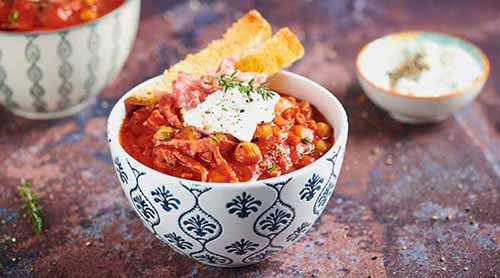
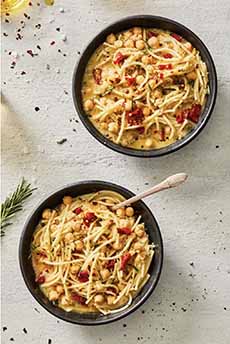
    Here’s a quick-and-easy chickpea salad for National Chickpea Day, April 21st (photos #1 and #8).

    You may know today’s legume honoree by one of its other names: ceci or cece (Italian), chana or Kabuli chana (Northern India), Egyptian pea, garbanzo (Spanish), gram or Bengal gram (British India).

    By any name, chickpeas are protein-packed with protein and a rich source of vitamins, minerals, and fiber. Here are 10 science-backed health benefits of chickpeas.

    Spell them chickpeas or chick peas, serve them as a side, enjoy them as a snack, and add them to soup.

    Chickpeas can be mashed into dip (like hummus), tossed into a salad, made into falafel, and served with everything from breakfast eggs to dinner pasta.

    Today’s recipe serves chickpeas Italian-style, with tomato sauce and salame (the correct spelling for what Americans chose to write as “salami”).

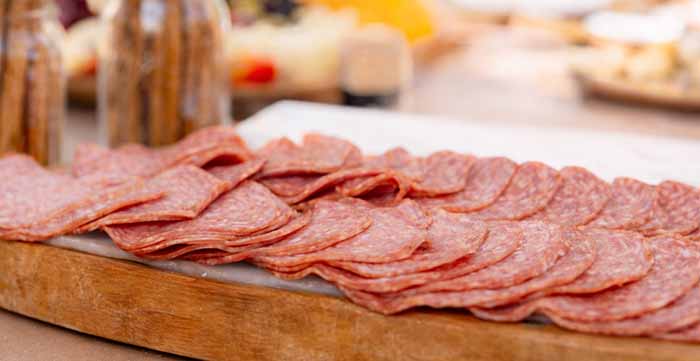
    Thanks to Veroni for the recipe, which uses the company’s Salame Milano in the salad (photo #9).

    The style of salame is an ancient one, characterized by an intense red color and a flavor that’s delicate and sweet, rather than spicy.

    Here are Veroni’s other salame styles.

    If you don’t eat pork, substitute meat of choice, including vegan, wheat-based seitan. Shrimp works nicely.

    Below:

    The recipe begins Chickpea salad recipe.> Why is it called a salad if there are no raw vegetables?

    > More delicious chickpea recipes.

    Elsewhere on The Nibble:

    > The history of chickpeas.

    > Is the chickpea a pea or a bean?

    > The different types of beans and legumes.

    > The year’s 13+ bean holidays.
     
     
    WHY IS IT CALLED “SALAD” IF THERE ARE NO GREENS?

    Think chicken salad, egg salad, potato salad, pasta salad, Waldorf salad, and so on: No greens here! What “binds” them together is a dressing, with salt.

    “Salad” derives from the Latin word for salt, sal. “Salad” has nothing to do with vegetables and everything to do with the salt that seasons and enhances the flavor of the dish.

    In ancient Rome, a salata could be herbs or vegetables dressed with salty brine or garum.

    What we now think of as the classic dinner side salad of greens and other raw vegetables has its roots in the first century C.E., in both Greek and Roman cuisines.

    The ancient Greek physician Hippocrates (460 B.C.E. to 370 B.C.E.) believed that vegetables were easily digested (not true—they can be hard to digest). He taught his patients to eat a salad before the main course.

    These salads were made with seasonal, chopped raw vegetables, dressed with oil, vinegar, and salt. They were nearly identical to the raw vegetable salads served today [source].

    Over time, the meaning expanded. By the Middle Ages, “salad” referred to any mixture of ingredients dressed or seasoned, often with salt, vinegar, or oil.

    So the core idea isn’t “greens,” it’s a seasoned mixture.

    Green salads became much more common later in Western cuisine, but they are just one sub-category within the broader one of mixed ingredients served cold and dressed/seasoned as a side dish.

    Dishes like three bean salad, chickpea salad, and lentil salad fit right in.

    A salad can refer to any number of ingredients—fruits, vegetables, grains, proteins, and other ingredients that can be mixed or topped with dressings that contain salt. (Yes, even a sweet dressing contains a pinch or more of salt.)
     
    What About Warm Salads?

    Certainly there are salads served warm: grain bowls, wilted greens, roasted vegetables served over greens, and conventional salads with a warm component. For example:

  • German Potato Salad, served warm with a dressing of bacon fat, vinegar, and onions.
  • Salade Lyonnaise, a hearty French salad with a base of curly frisée, a warm poached egg, and hot crispy lardons (bacon cubes). The warm yolk becomes the dressing when broken.
  • Warm Goat Cheese Salad starts with cold, dressed greens but tops them with warm breaded, toasted goat cheese rounds.
  • Wilted Spinach and Bacon Salad is made by whisking a hot dressing directly in the pan after frying the bacon and pouring it over raw spinach so it collapses just enough to become tender.
  •  

    > Here’s more of the history of salad.

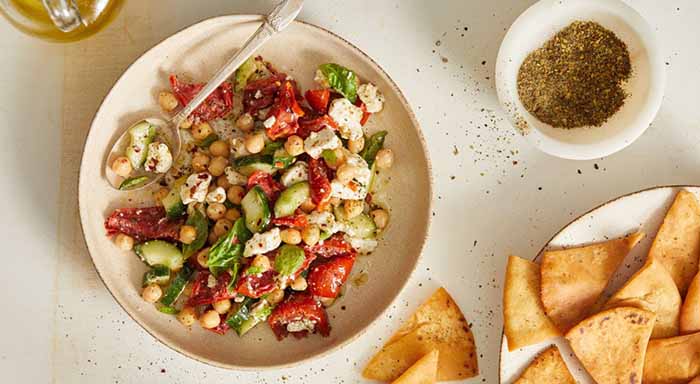
    > For another chickpea salad recipe with feta and roasted tomatoes, see below.
     
    Chickpea Salad In Red Sauce With Yogurt
    [8] The yummy recipe below.
     
     
    RECIPE: CHICKPEA SALAD WITH SALAME & GREEK YOGURT

    This chickpea salad is served with sliced bread (toasted country bread is best!), but it’s not a spread per se: It’s spoonable, not spreadable!

    It’s also served with a side of Greek yogurt, in the manner of the sour cream garnish for chili.
     
    Ingredients For 4 Servings

  • 2 cups cooked chickpeas
  • ½ cup Veroni Salame Milano thinly cut (or substitute)
  • 1 scallion
  • 3.5 ounces tomato purée
  • 3 tablespoons of extra virgin olive oil
  • 1 clove garlic
  • 1/2 teaspoon dry oregano
  • Salt and pepper to taste
  • 6 ounces plain Greek yogurt
  • Sliced bread or flatbread to serve
  •  
    Preparation

    1. HEAT the oil in a saucepan, and add the chopped onion and the salami.

    2. SAUTÉ, stirring often. When the onion becomes transparent, add the chickpeas and onion mix, and simmer for another 5 minutes.

    3. ADD the tomato purée, salt, pepper, and oregano. Continue cooking, covered, for another 15 minutes or until the sauce has reduced.

    4. SERVE with Greek yogurt and sliced bread as desired.


    [1] Chickpea salad with salame. The recipe is below (photos #1, #8, and #9 © Veroni).


    [2] Dried chickpeas (photo © Polina Tankilevitch | Pexels).

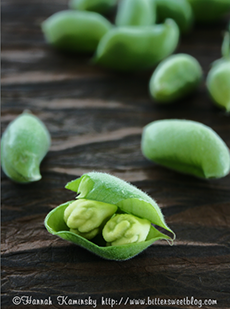
    Fresh Chickpeas
    [3] Freshly-harvested chickpeas, before they’re dried. You can use them raw or cooked in a variety of dishes (photo © Hannah Kaminsky | Bittersweet Blog).


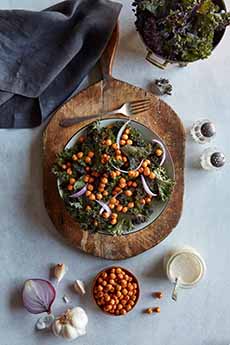
    [4] Toss steamed (canned) or roasted chickpeas into any green salad; here, it’s kale (photo © Saffron Road).


    [5] Or, toss them into any protein salad: chicken, egg, shrimp, tuna, etc. Here’s the recipe for this tuna-and-chickpea salad (photo © DeLallo).


    [6] Pasta e Ceci is a famous Italian chickpea soup. Here’s the recipe Here’s the recipe (photo © DeLallo).

    Hummus With Crudites
    [7] Hummus, the most common use of chickpeas in the U.S. (photo © Monika Grabkowska | Unsplash).

     
    Salume Milano, Salami Milanese
    [9] Strips of salume pair with chickpeas and tomato paste in the salad recipe.
     
     
    MORE CHICKPEA RECIPES

    In addition to falafel and hummus—two chickpea-based Middle Eastern staples that have been embraced by Americans, try:

  • Almond Hummus
  • Chickpea Fries
  • Chickpea Salad
  • Chickpea Succotash
  • Composed Salad (Salade Composée)
  • Dukkah: Egyptian Seasoning Blend
  • Farinata: Chickpea Snack Pancakes
  • Green Hummus With Crudités
  • Hummus Salad Dressing
  • Moroccan Chicken Salad
  • Moroccan Chickpea & Vegetable Tagine
  • Orzo Salad With Chickpeas & Kalamata Olives
  • Panzanella Salad With Chickpeas
  • Roasted Chickpeas Snack or Garnish
  • Leblebi: Tunisian Chickpea Soup
  • Pumpkin Burger With Chickpeas
  • Shepherd’s Pie With Middle Eastern Accents
  •  
    Chickpea Salad With Roasted Tomatoes
    [10] Marinated chickpea salad with feta and roasted tomatoes. Here’s the recipe (photo © DeLallo).
     
    ________________

    *Veroni Salame Milano (photo #9) is made from lean portions of Italian pork, which is finely minced and flavored with a blend of sea salt, black pepper, spices, and natural flavors. After seasoning, the sausage mass is placed into a special cotton bag and matured in a natural micro-climate. Quality meat is used: the shoulder, the loin, and the trimmings of all of the most prized cuts. The quality of the fat is of equal importance. The fat used is obtained from the guanciale, the jowls, which is the most valuable fat from the pig. It is combined with subcutaneous fat to give the product the right softness [source].

    †Hot bacon dressing is made by adding red wine or cider vinegar to the rendered bacon drippings. A small amount of sugar, honey, or maple syrup is added to balance the sharpness. Minced shallots are also added, as well as Dijon mustard, which adds flavor and also acts as an emulsifier to help the fat and vinegar stay together. Lardons and often a sliced hard-boiled egg finish the dish.
     

    CHECK OUT WHAT’S HAPPENING ON OUR HOME PAGE, THENIBBLE.COM.


    Comments off


    © Copyright 2005-2026 Lifestyle Direct, Inc. All rights reserved. All images are copyrighted to their respective owners.