Chickpea Salad & More Chickpea Recipes For National Chickpea Day
|
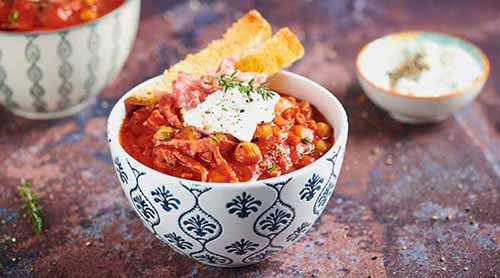
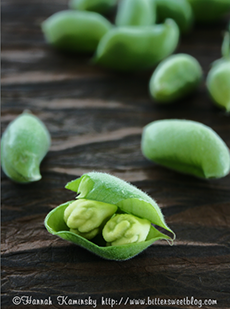
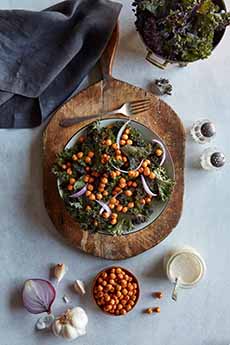
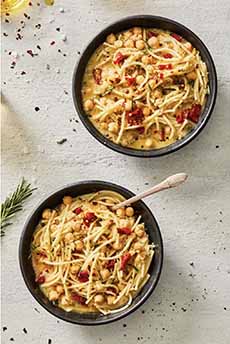
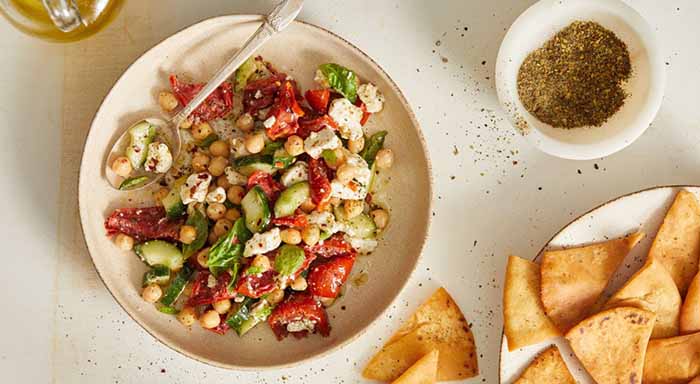
Here’s a quick-and-easy chickpea salad for National Chickpea Day, April 21st (photos #1 and #8). You may know today’s legume honoree by one of its other names: ceci or cece (Italian), chana or Kabuli chana (Northern India), Egyptian pea, garbanzo (Spanish), gram or Bengal gram (British India). By any name, chickpeas are protein-packed with protein and a rich source of vitamins, minerals, and fiber. Here are 10 science-backed health benefits of chickpeas. Spell them chickpeas or chick peas, serve them as a side, enjoy them as a snack, and add them to soup. Chickpeas can be mashed into dip (like hummus), tossed into a salad, made into falafel, and served with everything from breakfast eggs to dinner pasta. Today’s recipe serves chickpeas Italian-style, with tomato sauce and salame (the correct spelling for what Americans chose to write as “salami”). Thanks to Veroni for the recipe, which uses the company’s Salame Milano in the salad (photo #9). The style of salame is an ancient one, characterized by an intense red color and a flavor that’s delicate and sweet, rather than spicy. Here are Veroni’s other salame styles. If you don’t eat pork, substitute meat of choice, including vegan, wheat-based seitan. Shrimp works nicely. Below: The recipe begins Chickpea salad recipe.> Why is it called a salad if there are no raw vegetables? > More delicious chickpea recipes. Elsewhere on The Nibble: > Is the chickpea a pea or a bean? > The different types of beans and legumes. > The year’s 13+ bean holidays. Think chicken salad, egg salad, potato salad, pasta salad, Waldorf salad, and so on: No greens here! What “binds” them together is a dressing, with salt. “Salad” derives from the Latin word for salt, sal. “Salad” has nothing to do with vegetables and everything to do with the salt that seasons and enhances the flavor of the dish. In ancient Rome, a salata could be herbs or vegetables dressed with salty brine or garum. What we now think of as the classic dinner side salad of greens and other raw vegetables has its roots in the first century C.E., in both Greek and Roman cuisines. The ancient Greek physician Hippocrates (460 B.C.E. to 370 B.C.E.) believed that vegetables were easily digested (not true—they can be hard to digest). He taught his patients to eat a salad before the main course. These salads were made with seasonal, chopped raw vegetables, dressed with oil, vinegar, and salt. They were nearly identical to the raw vegetable salads served today [source]. Over time, the meaning expanded. By the Middle Ages, “salad” referred to any mixture of ingredients dressed or seasoned, often with salt, vinegar, or oil. So the core idea isn’t “greens,” it’s a seasoned mixture. Green salads became much more common later in Western cuisine, but they are just one sub-category within the broader one of mixed ingredients served cold and dressed/seasoned as a side dish. Dishes like three bean salad, chickpea salad, and lentil salad fit right in. A salad can refer to any number of ingredients—fruits, vegetables, grains, proteins, and other ingredients that can be mixed or topped with dressings that contain salt. (Yes, even a sweet dressing contains a pinch or more of salt.) Certainly there are salads served warm: grain bowls, wilted greens, roasted vegetables served over greens, and conventional salads with a warm component. For example:
> Here’s more of the history of salad. > For another chickpea salad recipe with feta and roasted tomatoes, see below. This chickpea salad is served with sliced bread (toasted country bread is best!), but it’s not a spread per se: It’s spoonable, not spreadable! It’s also served with a side of Greek yogurt, in the manner of the sour cream garnish for chili. 1. HEAT the oil in a saucepan, and add the chopped onion and the salami. 2. SAUTÉ, stirring often. When the onion becomes transparent, add the chickpeas and onion mix, and simmer for another 5 minutes. 3. ADD the tomato purée, salt, pepper, and oregano. Continue cooking, covered, for another 15 minutes or until the sauce has reduced. 4. SERVE with Greek yogurt and sliced bread as desired. |
|
|
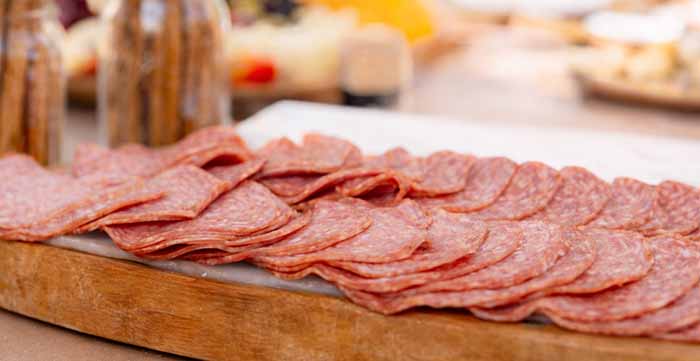 [9] Strips of salume pair with chickpeas and tomato paste in the salad recipe. MORE CHICKPEA RECIPES In addition to falafel and hummus—two chickpea-based Middle Eastern staples that have been embraced by Americans, try: *Veroni Salame Milano (photo #9) is made from lean portions of Italian pork, which is finely minced and flavored with a blend of sea salt, black pepper, spices, and natural flavors. After seasoning, the sausage mass is placed into a special cotton bag and matured in a natural micro-climate. Quality meat is used: the shoulder, the loin, and the trimmings of all of the most prized cuts. The quality of the fat is of equal importance. The fat used is obtained from the guanciale, the jowls, which is the most valuable fat from the pig. It is combined with subcutaneous fat to give the product the right softness [source]. †Hot bacon dressing is made by adding red wine or cider vinegar to the rendered bacon drippings. A small amount of sugar, honey, or maple syrup is added to balance the sharpness. Minced shallots are also added, as well as Dijon mustard, which adds flavor and also acts as an emulsifier to help the fat and vinegar stay together. Lardons and often a sliced hard-boiled egg finish the dish. CHECK OUT WHAT’S HAPPENING ON OUR HOME PAGE, THENIBBLE.COM.
|
||