THE NIBBLE BLOG: Products, Recipes & Trends In Specialty Foods


Also visit our main website, TheNibble.com.

FOOD 101: The Difference Between Coffee & Espresso


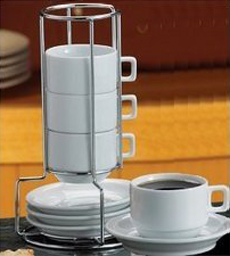
We keep these stackable espresso cups right
next to our espresso machine. Photo
courtesy Harold Imports | AMZ.

  The flavors of espresso are very concentrated, intense and dark. Espresso is drunk black; sugar is permissible but milk is not. If you want milk in your coffee, choose another dark roast bean: Italian Roast and French roast.

There are key differences between espresso, Italian Roast and French roast coffees.

1. Beans: Special. Espresso is not a type of bean, but a level of roasting. In fact, espresso is typically a blend of beans roasted anywhere from very light to very dark; you know it’s espresso if there’s a lot of surface oil evident. Different coffee roasters use different blends of beans and different degrees of roasting. Ask which roaster roasted the beans you are purchasing. If they’re not your ideal, keep trying different roasters.

2. Caffeine: Less. Because a cup of espresso takes no more than 30 seconds to brew (28 seconds is the ideal brewing time), less caffeine is extracted from the ground beans than in drip coffee, which takes anywhere from 5 to 7 minutes to brew.


3. Crema: Thick. The pressure exerted by the espresso machine forms a thick cap of brown crema (pronounced CRAY-mah, Italian for cream; but it’s “espresso bean cream,” not milk-related cream). Some single serve coffee machines also produce a crema; but true espresso crema carries the aroma and lasts to the bottom of the cup.

4. Portion: Small. Although modern designs veer from the classic style, espresso cups were intentionally made small and thick. They serve a different purpose from the delicate porcelain demitasse cups used for regular coffee in a fine dinner service. Thick, small espresso cups hold the heat; large cups dissipate the heat and the crema. The proper portion of espresso is one ounce for these reasons. If you want a larger serving of espresso, don’t fill a full-size cup: Have another espresso-size and drink it in its peak form.

5. Garnish: Lemon Peel. You may see espresso served with a piece of lemon peel, to be rubbed around the rim of the cup to leave a slick of lemon oil. The original purpose was to counteract the taste of over-roasted, overly bitter espresso: The oil in the peel blocks the bitterness. Italians traditionally serve top quality espresso without lemon peel, bowing to the quality of the beans. However, if you like the added flavor of the lemon peel (we do), feel free to serve it.

6. Freshness: Imperative. Advice continues to circulate that coffee beans should be kept in the freezer for freshness. False! Freezing the coffee coagulates the natural oils contained in the bean. In an espresso, those oils need to emulsify to produce the body and mouthful of the coffee. Coffee can be stored in the refrigerator, but airtight containers are crucial. An airtight container keeps out odors and protects the internal moisture of the coffee bean. No matter what kind of coffee you buy, the best rule of thumb is to buy only what you need for a week, or two weeks at best. Ground coffee will begin to go stale in 24 hours. Keep coffee away from direct light and heat. Direct light and heat begin to cook the coffee oils, and will affect the flavor and aroma properties.

Discover more about coffee in our Gourmet Coffee Section.


Comments off

TIP OF THE DAY & VIDEO: How To Make Good Espresso


It’s National Espresso Day, so trade your regular cup of java* for an espresso.

Some people are intimidated by an espresso machine. This video shows how easy it is to use one.

Espresso can only be made in an espresso machine, which exerts a specific amount of pressure on the ground coffee beans. The beans need to be an espresso roast, the darkest roast of coffee beans. The objective is a strong, pleasantly bitter shot of coffee.

You can get an espresso machine with a small footprint that will pay for itself in two weeks, assuming you purchase one espresso daily. With your own machine, you can enjoy a shot—or a double or triple shot—as often as you like, for pennies.

The Capresso espresso machine shown in the video is less than $60.00. Take a closer look at it on Amazon.com).

What if you don’t want to buy an espresso machine? The closest cup of strong, bitter coffee is a brewed Italian roast, made in a regular coffee maker.

Find everything you want to know about espresso in our Espresso Glossary.
 
See all of the national food holidays.


*The Dutch began to cultivate coffee trees on Java, a large island in the Dutch East Indies, in the 17th century; hence the nickname “java” for a cup of coffee.

Comments off

GIFT: Tortilla Warmer For The Microwave

Looking for an inexpensive but useful gift for a fan of Mexican food?

We’ve gotten a lot of use out of our microwavable tortilla warmer. It’s just $9.78 on Amazon.com.

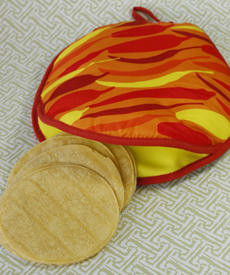
The tortilla warmer—an insulated pouch—holds up to 12 tortillas, and keeps them warm and moist for up to one hour.

Simply place the tortillas in the pouch, then heat it in the microwave for approximately 45 seconds.

For a more elaborate gift, add a couple of bottles of gourmet salsa.


Tortillas remain warm and moist. Photo by Elvira Kalviste | THE NIBBLE.


Comments off


© Copyright 2005-2026 Lifestyle Direct, Inc. All rights reserved. All images are copyrighted to their respective owners.