Pink Lady Cocktail Recipe & History For Your Valentine Or Galentine
|
|
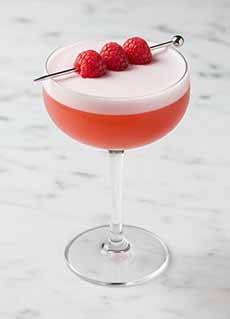
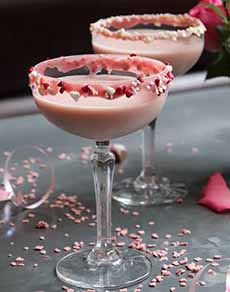
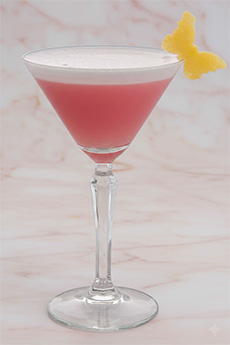
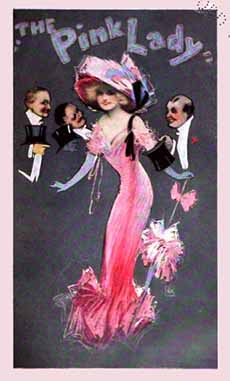
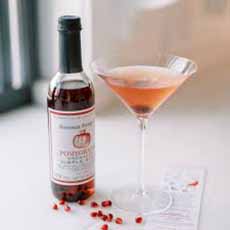
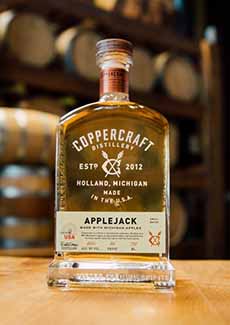
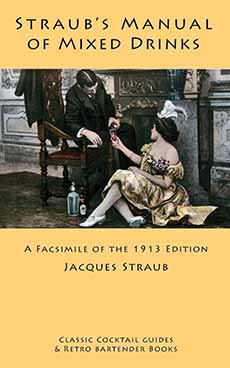
In the realm of cocktails, it doesn’t get pinker than the Pink Lady. This classic, gin-based cocktail’s bright pink color, frothy foam head, and sweet-tart flavor profile was enjoyed by men and women alike until after Prohibition, when cocktail critics (men) decided it was to “girly” for guys. Sweet cocktails were especially popular during Prohibition because they better masked the taste of the poor-quality, “bathtub” gin. The egg white, added during this time, further smoothed out the drink. The cocktail gets its pinkness and sweetness from grenadine (pomegranate syrup), but note that big brands are Rose’s are sweetened with high fructose corn syrup. It’s an artificial taste. You can buy a smaller craft brand, or easily make your own by reducing pomegranate juice. Here’s the recipe. Below: > The history of the Pink Lady cocktail. > The year’s 100+ cocktail and spirit holidays. > The different types (expressions) of gin. > What is applejack, and how does it differ from apple brandy? > The history of Valentine’s Day. As with all recipes, there are variations, but use gin, grenadine, and egg white, shaken and strained into a coupe glass. This typical 20th-century version was standardized with applejack. It balances London Dry gin with crisp apple brandy with bright, and the tartness of freshly squeezed lemon juice balanced by sweet grenadine. The egg white softens the drink’s flavors and texture. The classic garnish is a maraschino cherry, but unless you really like them or can find/make a good brandied cherry, consider a cocktail pick of raspberries or simply sprinkle pomegranate arils over the foam. If you’re concerned about consuming raw egg whites, look for pasteurized eggs. 1. COMBINE all ingredients except the garnish in a shaker and vigorously dry-shake, i.e. without ice. This ensures that the egg white fully combines with the other ingredients. 2. ADD ice and shake again until well-chilled. Strain into a chilled cocktail glass. 3. GARNISH and serve. Before the Pink Lady arrived on the scene (arguably in 1911), there were two antecedents. The Gin Sour. The “sour” family of drinks became popular in the 1850s, a combination of a spirit, citrus, juice, and sugar or simple syrup (the history of simple syrup). The first known written recipe for a Gin Sour was published in Gerry Thomas’s 1862 book, How to Mix Drinks, or The Bon-Vivant’s Companion. The Clover Club. It was invented in the late 1800s, a bartender at the Clover Club, a Philadelphia social club, swapped the plain simple syrup of the Gin Sour for raspberry syrup, and added an egg white to create a foamy top. The syrup gave the drink a pink-orange hue and added fruity flavor to the sweetness. The cocktail appears in an 1887 club handbook. The Pink Lady. The Pink Lady is a pomegranate version of the Clover Club, swapping the raspberry syrup for pomegranate syrup, a.k.a. grenadine. The drink appeared at the time of a 1911 Broadway musical The Pink Lady, It is believed that it was named specifically for its star, Hazel Dawn, who was the Pink Lady of the title. While we don’t know who created it, versions of the recipe first appear in print in 1913,in Straub’s Manual of Mixed Drinks by Jacques Straub (1913). A bit later, it can be found in Recipes for Mixed Drinks by Hugo R. Ensslin (1916). These publications indicate that the Pink Lady was taking hold. The recipes included London Dry gin and applejack in equal parts, along with lime juice and dashes of grenadine. But no egg white. The egg white took hold within a few years, believed to have been added around 1920 during Prohibition (1920–1933), to mask the bad taste of bathtub gin. A creamier version of the Pink Lady that has been around at least since the 1920s replaced the egg white with sweet cream. This version is called the Pink Shimmy, said to be created at the Southern Yacht Club in New Orleans by Armond Schroeder, an assistant manager. (Perhaps he also made the club’s bathtub gin?) There are also versions that include egg white along with cream. As with any recipe, there were variations. The one featured in Harry Craddock’s 1930 The Savoy Cocktail Book, featuring 750 recipes from the American Bar at London’s Savoy Hotel, omitted the applejack (it was difficult to source in the U.K. at the time) but used citrus juice, grenadine, and the egg white. Occasionally the Pink Lady’s invention is attributed to the interior designer and society figure Elsie de Wolfe (1865–1950). However, de Wolfe’s recipe is is said to have contained gin, pink grapefruit juice instead of lemon juice, and Cointreau orange liqueur. After the end of Prohibition (1933), there was no longer need for recipes that could covered up the taste of bad spirits. By 1939, the Pink Lady had fallen out of favor with critics (who were almost exclusively men). It appeared in Esquire magazine’s list of the “10 Best and Worst Cocktails of 1934” (see the list here). Even if it tasted good and was made of manly ingredients (gin, applejack), what man wanted to be seen holding a frothy pink drink? The Pink Lady had acquired the reputation of “female” or “girly.” Beginning with the craft cocktail movement in in the early 2000s, bartenders “rediscovered” the Pink Lady and other retro cocktails†. If it hasn’t become a retro A-lister like the Manhattan, Negroni, Old-Fashioned, and Sidecar, it has at least made it onto the B-list. Some revived cocktails on the C-list, which were never even popular in their original era, also have ridden the revival wave. Of course, modern mixologists continue to orchestrate changes when they dust off these cocktails. With the Pink Lady, we’ve seen newer recipes that have a lot more gin, add honey syrup in addition to the grenadine, and we even found a Salted Pink Lady. (How about a Chocolate Pink Lady?) So try the original 20th-century recipe above, and if you have an idea of how to tweak it, go for it! But remember: Chocolate was our idea. |
|
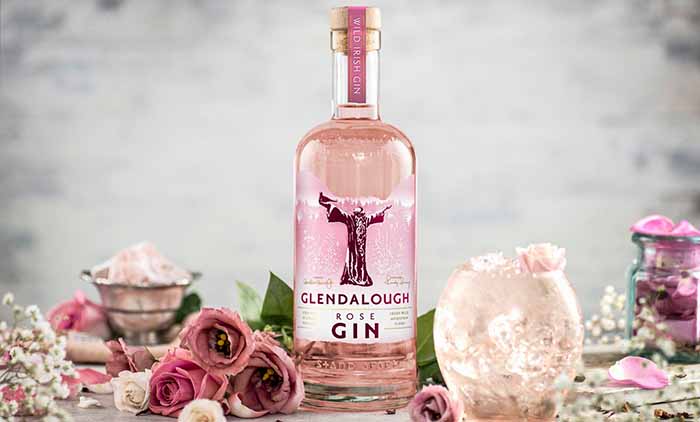 [8] There are quite a few pink gins—including non-alcoholic varieties, and you can use them in your Pink Lady. They distill rose petals and other botanicals to color the spirit pink. Here’s our review of Glendalough Rose Gin (photo © Glendalough Distillery). ________________ *Applejack and apple brandy are interchangeable. Straight apple brandy provides a deeper flavor than applejack, which is blended. †Other retro cocktails that have been “revived”, displacing popular ‘80s and ‘90s drinks like the Mudslide and Long Island Iced Tea, include The Aviation (gin, lemon juice, maraschino liqueur, crème de violette), The Boulevardier (Bourbon or rye, Campari, sweet vermouth, orange twist or peel), The Bee’s Knees (gin, fresh lemon juice, honey syrup), Corpse Reviver No. 2 (gin, Lillet Blanc, orange liqueur, fresh lemon juice), The Last Word (gin, Chartreuse, maraschino liqueur, lime juice), New York Sour (Bourbon or rye, fresh lemon juice, simple syrup, optional egg white, red wine, lemon peel or maraschino cherry garnish), Pegu Club (gin, Orange Curaçao, fresh lime juice, Angostura bitters, orange bitters). and Remember the Main (absinthe, rye, sweet vermouth, cherry liqueur, brandied cherry garnish). The Boulevardier, New York Sour, and Remember the Maine are drinks that were never popular when they first appeared, but were rediscovered, dusted off, and championed by revival mixologists for customers seeking something “new.” CHECK OUT WHAT’S HAPPENING ON OUR HOME PAGE, THENIBBLE.COM. |
||