TOP PICK OF THE WEEK: Mr. Black Cold Brew Coffee Liqueur, Perhaps The Best Coffee Liqueur
|
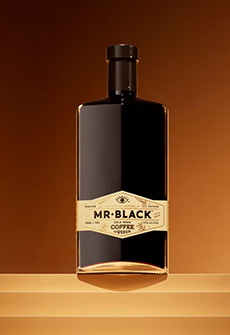
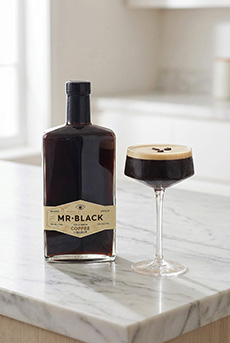
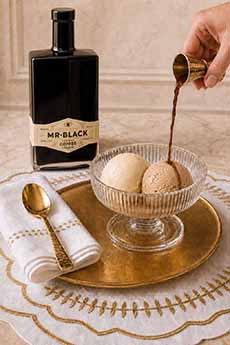
Updated July 2026 When we first tasted Mr. Black at a trade show, it was magnificent—but only available in Australia, where it was created. Wholesale buyers liked it too, because now it’s widely available in the U.S. And then, the brand got so hot that sales zoomed toward the top of the pack, and it was acquired by spirits giant Diageo. If you enjoy other coffee liqueurs, you’ve got to try Mr. Black. If you know a coffee drinker who’d enjoy sipping a rich, intense, coffee liqueur, treat them to a bottle. Below: > About Mr. Black Cold Brew Coffee Liqueur. > Ways to enjoy coffee liqueur. > Eau de vie, cordial, liqueur, and schnaps: the difference. Elsewhere on The Nibble: > The year’s 7 liqueur holidays. > The year’s 25 coffee holidays. > October 16th is National Liqueur Day. Mr. Black is a cold brew coffee liqueur, and in our experience, one of the best coffee liqueurs you can buy. Each bottle is handmade at the company’s coffee roastery and distillery just north of Sydney, Australia (photo #2). This craft-focused spirit blends specialty-grade Arabica coffee with Australian wheat vodka and natural cane sugar. At 25% ABV, it features a rich, robust coffee profile. Plus, it has half the sugar and ten times the coffee content of traditional coffee liqueurs, making it a terrific for everything from sipping straight to Espresso Martinis to pouring over vanilla or coffee ice cream. Mr. Black was developed to appeal to serious coffee aficionados. It emphasizes the purity of coffee flavor using a blend of beans from the best growing regions. > They’ve got lots of tempting cocktail recipes! You can find Mr. Black at stores nationwide and online. Here’s a store locator for both retail and e-tail. |
|
|
|
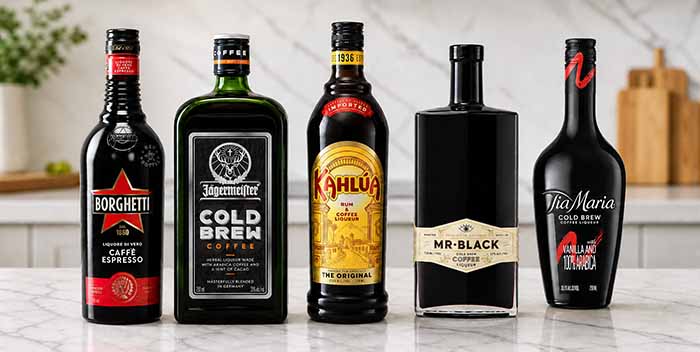
A liqueur (lih-KUR) is an alcoholic drink composed of distilled spirits and additional flavorings that can include bark, flowers, fruits, herbs, roots and spices. And sugar! Often served with, or after, dessert, liqueurs are typically heavily sweetened. Liqueurs are historical descendants of herbal medicines that originated in the Middle Ages as medicinal elixirs crafted by monks and alchemists. Records have been found in Italy as early as the 13th century. By macerating herbs, fruits, and spices in distilled spirits and adding sugar for palatability, they sought to cure ailments and prolong life (for example, Chartreuse). The French word liqueur is derived from the Latin liquifacere, which means “to dissolve.” Over time, these healing medicines (i.e., alcoholic tonics) evolved into popular recreational beverages and foundational cocktail ingredients. Coffee was being infused into spirits in Europe by at least the 18th century. Early recipes were often homemade or made by small, local cordial producers. The first commercial coffee liqueur brand was Kahlúa, introduced in Mexico in 1936. Made with Arabica coffee, sugar, vanilla, and rum, it became the archetypal modern coffee liqueur. Tia Maria claims roots in a 17th-century Jamaican origin story, but its documented commercial production and international don’t appear until the mid-20th century. It combines Jamaican rum, coffee, vanilla, and sugar. It has more recently reformulated to a cold brew version, shown in the photo below. The reason we prefer Mr. Black is that it’s less sweet and more coffee-forward than the classic Kahlúa/Tia Maria tradition. > Here’s a longer history of liqueur. Liqueur has numerous “relatives.” Here’s are their differences. CHECK OUT WHAT’S HAPPENING ON OUR HOME PAGE, THENIBBLE.COM. |
||