The Palmer House Brownie Recipe For Brownies At Brunch Month
|
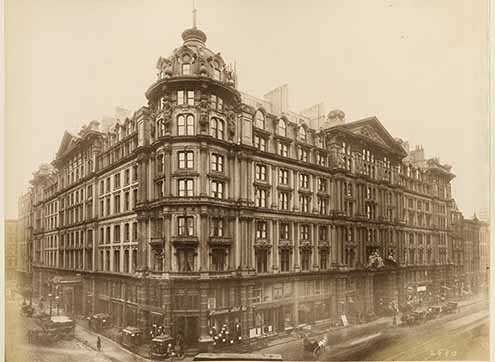
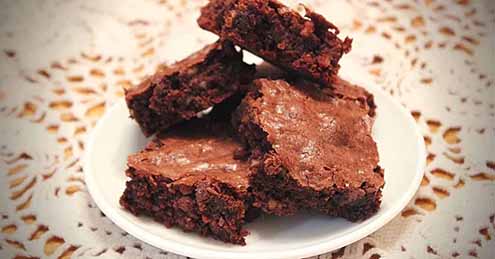
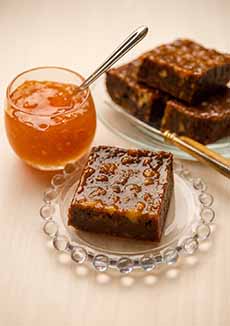
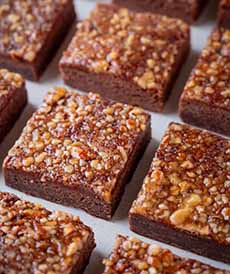
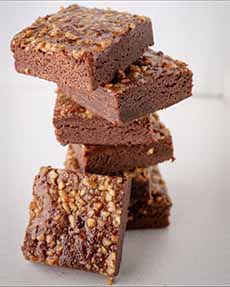
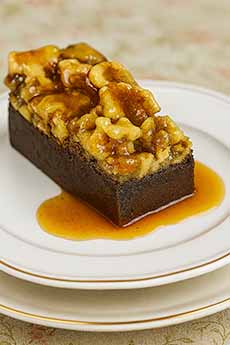
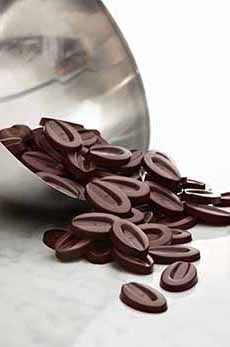
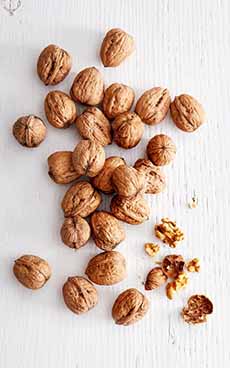
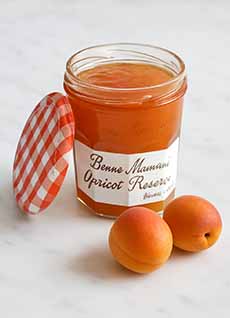
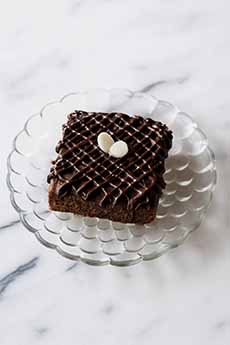
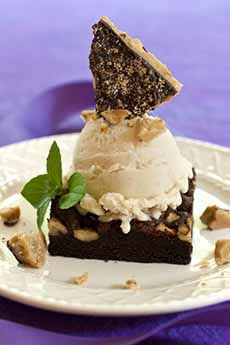
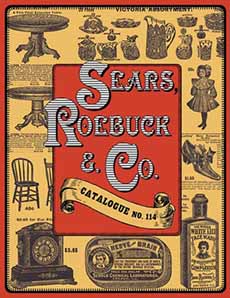
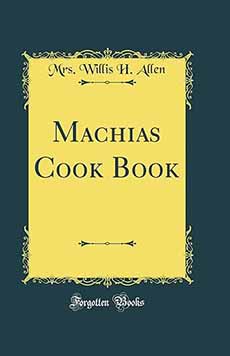
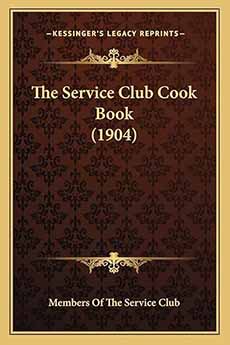
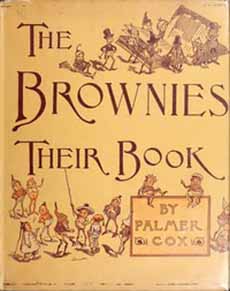
August is National Brownies At Brunch Month, and we have a treat for you: the original brownie recipe from the Palmer House in Chicago. We served them on Sunday for (of course) brunch! In 1893, Bertha Palmer asked the pastry team at Chicago’s renowned Palmer House hotel create a dessert suitable for ladies attending the World’s Columbian Exhibition in Chicago (also known as the 1893 Chicago World’s Fair). It needed to be smaller than a piece of cake, handheld, easily portable, and would fit into boxed lunches for ladies attending the Exposition. The kitchen team created a dense, fudgy chocolate cake topped with walnuts and apricot glaze. with crispy edges, that could be transported to and from the event (it was not yet called a brownie). By the way, the Chicago World’s Columbian Exposition of 1893 introduced other chocolate delights. Boston-based chocolatier Walter M. Lowney, America’s oldest chocolate maker, brought the first American-made chocolate bars, handing out samples and showing visitors how chocolate was made [source]. This brownie is still served at the hotel (the original and current recipes), and available by mail order. But did it really debut in 1893? See what our sleuthing has uncovered, below. Thanks to Palmer House, a Hilton Hotel, for sharing the recipe so you can bake them at home. They’re served at the hotel, of course, and you can order them online (photos #2 and #3). > The brownie recipe is below. > We created an apricot sauce recipe if you’d like a more formal dessert presentation, as in photo #4 (recipe below). > The history of The Palmer House. > Also below, the history of the brownie. > The year’s 5 brownie holidays. The recipe follows this photo, which shows the third rebuild of the Palmer House. While brownies are technically a finger food, for elegant plating as shown in photo #1, we created a light apricot sauce (recipe > below). You can also add whipped cream. Because of the gooey nature of the apricot jelly glazed, Chef Stephen Henry prefers to serve this brownie frozen or very firm and cold. The versions in photos #2 and #3 which can be purchased online, have the glaze baked in. They’re still delicious, but a different experience than you’ll have with photos #1 and #4, serve while firm and chilled. Note that “60% dark couverture chocolate” is the same as 60% cacao chocolate. > Here’s a video of the preparationz. 1. PREHEAT the oven to 300°F (150°C). Grease a 9×12-inch rimmed baking sheet. 2. MAKE brownies: Place the butter and chocolate in the top of a double boiler over simmering water. Stir frequently, scraping down the sides with a rubber spatula to avoid scorching, until the chocolate is melted, about 5 minutes. 3. COMBINE the sugar and flour in a large bowl. Add the chocolate mixture to sugar mixture; mix until well combined, 4 to 5 minutes. Mix in the eggs and vanilla extract. 4. POUR the batter into the prepared baking sheet. Sprinkle the walnuts on top, pressing them down slightly into batter. 5. BAKE until the edges start to crisp and the brownies rise about 1/4 inch, 30 to 40 minutes. 6. MAKE the glaze: Mix together the water, apricot jam/preserves, and unflavored gelatin in a saucepan over high heat; bring to a boil. Cook, stirring occasionally until thickened, about 2 minutes. 7. ALLOW the brownies to cool for 30 minutes, then spread a thin layer of glaze on top with a pastry brush. Note: When the brownie is properly baked, it will remain “gooey” with a toothpick in the middle due to the richness of the mixture. For the cleanest slices, freeze the brownies for three hours after glazing. Then cut, and serve while very firm and cold. Or enjoy them gooey! You can make this sauce with any flavor of jam. We chose apricot to complement the glaze on the brownies. The optional butter provides richness and shine. Lemon juice, a pinch of salt, and vanilla extract round out the sweetness. We like to add a teaspoon of orange liqueur like Cointreau or Grand Marnier to the sauce or to optional whipped cream (the different types of orange liqueur). You can also drizzle this sauce over fresh berries, cheesecake or pound cake, ice cream or sorbet, panna cotta and custard, and as a glaze to brush on fruit tarts. 1. HEAT the preserves and water in a small saucepan over medium-low heat. Stir gently to blend. As the mixture begins to simmer… 2. ADD the butter and stir until fully melted and glossy. Stir in the lemon juice, salt, and vanilla extract. If you don’t want a chunky sauce… 3. STRAIN the sauce through a fine mesh sieve to remove the fruit chunks. Add the orange liqueur and taste; adjust as desired. 4. PLATE the sauce when it is gently warmed but pourable. It will thicken as it cools. 5. STORE in an airtight container in the fridge for up to7 days. Warm slightly to restore a pourable consistency. Twenty-plus years ago, at the beginning of writing histories for the foods we cover (more than 1,000 as of 2025) we wrote a history of the brownie. As new information is always coming to the fore, we’re updating it here. The origin of the brownie has long been contested, with most culinary historians acknowledging Fanny Farmer and the Palmer House Hotel in Chicago as the two contenders for the first chocolate brownie recipe. Food historians agree that brownies are an American creation, and credit Fannie Farmer for the first published recipes in her 1906 version of The Boston School Cookbook. We give Ms. Farmer credit for the first published brownie recipe. On the other hand, the actual handheld chocolate brownie may have been created earlier, at the Palmer House Hotel in Chicago. Here’s what we know. In the 1906 edition, the recipe, baked in a rectangular pan, used the key elements of a modern brownie: chocolate, butter, eggs, and flour. However, that recipe was lighter and more cake-like—not the dense, fudgy brownie we think of today. And it was not called a brownie. But by the following year, the word “brownie” and the modern format were spreading widely through American cookbooks. Certainly, this is one of the earliest published recipes that resembles a brownie in format and ingredients. As was stated in the introduction to this article, Bertha Palmer, requested a dessert that would be smaller than a piece of cake, easily portable, and could be included in boxed lunches for ladies attending the Exposition. The hotel chef created a dense, fudge-like, single layer cake, that was cut into bars to be handheld—quite close to the modern idea of a brownie. It included walnuts and an apricot glaze. The Palmer House recipe was later published in promotional materials and recreated by the hotel’s chefs. That the recipe was first made during the Chicago Exposition is primarily based on historical claims and hotel records rather than primary documentation. We do know that the original recipe was not published in 1893; and surviving cookbooks or menus from that year that might document the date are lacking. In fact, neither Chat GPT nor Claude A.I. could locate an early publication date, and states that “The recipe appears to have been preserved within the Palmer House Hotel and is now available on various websites, but I couldn’t locate the specific date of its first appearance in print publication.” There’s an oddly long gap before chocolate brownie recipes appeared in published cookbooks, although molasses “brownie” recipes were being published in the 1890s (they were bars called brownies that were made with molasses, not chocolate—more about that below). Certainly, such a special recipe from a major hotel would have been published. Newspapers of the 1890s routinely published recipes in the “ladies’ pages.” And the connection to the 1893 World’s Columbian Exposition would provide a compelling story for newspapers and magazines of the time. If chocolate brownies were in fact created in 1893 at a prominent Chicago hotel for a major international exposition, it’s genuinely odd that no published recipes appeared for 6-13 years, especially when molasses “brownies” were being published during that exact period. Why the discrepancy? The Palmer House’s initial recipe was not called a brownie, and neither was Fannie Farmer’s. The first known print reference to the term “brownie” in the Sears, Roebuck Catalog published in Chicago in 1897 (photo #14; you can get a copy here). Quite a few sources cite this date—but—this was a recipe for a molasses candy named brownies by the recipe’s creator. The name honored the elfin characters created by illustrator and author Palmer Cox (no relationship to the hotel). The Brownies, his series of humorous verse books (photo #17) and comic strips about the mischievous but kindhearted fairy-like sprites was very popular at the time. The Eastman Kodak Brownie camera, launched in February 1900, was also named after these elves. This is a perfect example of how food history myths can develop. Researchers may have seen “brownie recipe from 1897” and assumed it was chocolate. The same is true with Bangor Brownies, which are also referenced as the first brownie recipe. They appeared in The Service Club Cook Book of 1904 (photo #16). This was a reprint of an earlier “brownie” recipe in the 1898 Machias Cookbook (photo #15)—both are towns in Maine—a year after the Sears recipe was published. It, too, was for molasses brownies, and may easily been adapted (or reprinted) from the Sears, Roebuck recipe published the year before. The ingredients are in the ‡footnote. We vote for Fannie Farmer; you make your own choice. It’s important to note that every recipe evolves over time and exists in different variations to suit different tastes. The brownie recipe in today’s Fannie Farmer cookbook is richer than the cakier version from 1906, because the American palate evolved in the direction of richer and fudgier. Rather than merely remodel, the second Palmer House was torn down in stages and replaced with a new steel-and-concrete skyscraper hotel. This third Palmer House, completed in 1925, is the building that still stands today (now called the Palmer House Hilton). ‡From the 1898 Machias Cookbook, later reprinted as the Bangor Cookbook and called Marie’s Brownies: 1 cup molasses, ½ cup butter, ½ cup boiling water, ½ cup, sugar, 3 cups flour, 1 egg, 1 teapoonful ginger, 1 teaspoonful salt, 1 teaspoonful soda. Drop in baker 2 inches apart. You can download a pdf of the cookbook from the Internet Archive. CHECK OUT WHAT’S HAPPENING ON OUR HOME PAGE, THENIBBLE.COM. |
Presenting Different Ways To Garnish A Plain Brownie
|
|
|
|
||