THE NIBBLE BLOG: Products, Recipes & Trends In Specialty Foods
Also visit our main website, TheNibble.com.
|
May 28, 2011 at 7:25 am
· Filed under Father's Day, Giftable
|
|
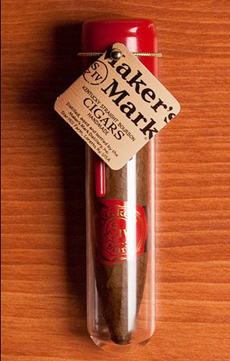
A good smoke flavored with a good
drink. Photo courtesy TedsCigars.com.
|
|
Some people enjoy their cigars with a beer, Bourbon or other spirit.
Ted’s Cigars combine both flavors in one.
Fifteen years ago, Ted Jackson was asked by Kentucky neighbor Maker’s Mark to make a cigar for a Derby party. The result was a premium cigar flavored with the famous Bourbon.
Jackson created a process to add a subtle bourbon flavor without affecting the integrity of the fine tobacco. A big hit, millions of Maker’s Mark cigars are now sold worldwide.
The flavored line expanded to include a HOPZ Craft Beer cigar, Grand Marnier, Dumante Verdenoce Pistachio Liqueur and Forty Creek Barrel Select Canadian Whisky.
The cigars are also available in traditional, unflavored versions including The Kentucky Derby, the official cigar of the famous horse race.
All of the cigars are packaged in glass tubes and do not require a humidifier. They are available in two distinct blends and three sizes, with either a Connecticut shade or a Maduro wrapper. Dads who enjoy a good cigar will welcome this unusual gift.
|
|
For special events, you can create cigars in a glass tube labeled with a company name, as well as custom neck bands.
The cigars are made by a partner company in the Dominican Republic, from a proprietary blend of Brazilian, Dominican and Nicaraguan tobacco. The flavoring and packaging done at Jackson’s Louisville, Kentucky-based headquarters.
The products are carried at fine tobacconists nationwide and can be purchased online at TedsCigars.com.
|
|
|
Permalink
|
|
May 27, 2011 at 1:01 pm
· Filed under Rice-Beans-Grains-Seeds, Videos
|
| |
Too many people refrain from cooking delicious, nutritious dried beans because the preparation—soaking the beans—seems like too much trouble.
It couldn’t be easier! And you may not have to soak them overnight: The fresher the beans, the more moisture they retain so less soaking is required.
As you’ll see in this video, all you need to do is:
1. The video is missing an important first step: Rinse the beans in a collander under cold running water.
2. Sort through the beans and pick out any broken ones, plus extraneous matter such as the occasional pebble.
3. Place the beans in a bowl or pot to soak: 2 cups cold water per one cup beans.
4. When the beans grow larger in size and can be chewed, strain the beans from the water. You’re ready to cook!
Learn your bean types in our Bean Glossary.
FOOD TRIVIA: Lima beans have been cultivated in Peru since 6000 B.C.E. Their common name comes from Lima, Peru’s capital city. That makes the correct pronounciation LEE-mah beans, not LYE-muh beans. But who’s going to correct the American public?
|
| |
|
| |
|
|
|
Permalink
|
|
May 27, 2011 at 7:58 am
· Filed under Fruits, Nuts & Seeds, Recipes, Tip Of The Day
|
|
Fresh lychee (pronounced LIE-chee, not LEE-chee, after the Cantonese lai chi) is now coming into season. Take the time to seek out this wonderfully exotic fruit. Delicately sweet, beautifully aromatic and very juicy, this subtropical fruit is native to Southeast Asia.
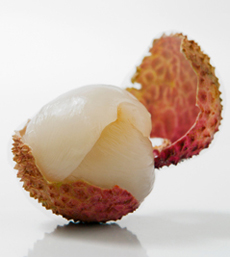
The small fruits, up to 1.5 inches in diameter, have a thin skin that is light pink to deep red in color. Inside is a translucent white fruit—in our opinion, one of the delights of the fruit kingdom.
Lychee is also known as a Chinese Cherry, although it’s not related to the cherry—the lychee tree is an evergreen. It’s also called a lychee nut, but it’s not a nut: It gets that name from its large pit, which looks like a nut. That’s also why it’s called a Chinese cherry—after you enjoy the succulent fruit, you need to dispose of the pit.
|
|

A fresh lychee. Photo by A.R. Nowsser | CSP. |
|
You’ll also find alternative spellings, such as litchi and litchee.
You can find canned lychee year-round, and they’re enjoyable. But as with canned peaches, pineapple and other fruits, the fresh version is even more special.
If you can’t find fresh lychees locally (look in produce specialty stores and Asian markets), you can buy them online from Melissa’s.
There are also:
Lychee-flavored tea
Dried lychee
Lychee syrup, to flavor cocktails, tea and lemonade
Lychee juice/nectar
Lychee tea
Lychee gummy candy
Lychee preserves
Lychee liqueur (we find that St. Germain Elderflower Liqueur tastes more like lychee than actual lychee liqueur, and for that reason it’s used in lychee cocktail recipes)
In Asia, the lychee is usually served by itself for dessert, or combined with other fresh fruits. That’s a terrific way to enjoy them; but the only limit is your imagination. Try these recipes:
Lychee Panna Cotta
Seared Sesame Tuna With Lychee
Lychee-Ginger Cocktail
Lychee Martini
Lychees are a good source of vitamin C and phosphorus. They should not be peeled until just before they are served. Remove the peel and the black pit (seed). When cooking with lychees, add them at the last minute to maintain the most flavor and aroma.
As lychees age off the vine, the reddish-pink color turns brown—still fine to eat, but a bit less moist. To keep lychees fresh, wrap them in a paper towel and store in a perforated plastic bag in the produce drawer.
Time to plan a lychee martini party!
|
|
|
Permalink
|
© Copyright 2005-2026 Lifestyle Direct, Inc. All rights reserved. All images are copyrighted to their respective owners.