FOOD 101: How To Determine Live & Active Cultures In Frozen Yogurt
|
|
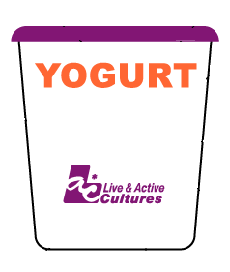
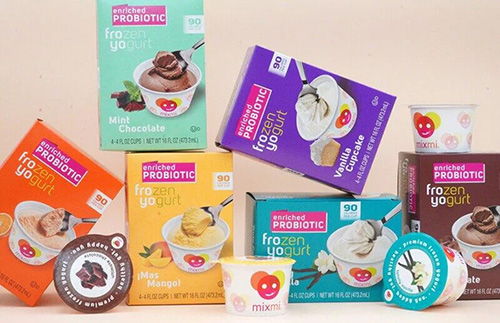
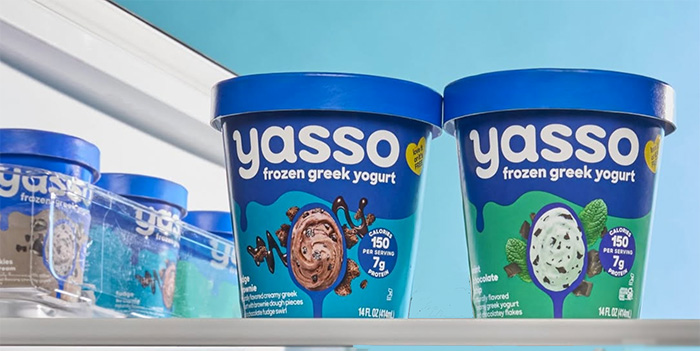
“What happens to the beneficial bacteria in frozen yogurt,” a reader writes. “Does freezing kill them?” Yes and no. Live culture frozen yogurt maintains the cultures’ benefits because the flash-freezing technique used in the production of frozen yogurt, unlike slow freezing in a freezer, only makes the organisms dormant. It does not kill them—or at least not all of them, all at once. However, even if a brand is certified as the number of bacteria in frozen yogurt is usually lower than that in the fresh yogurt from which it was made. Before we continue, elsewhere on The Nibble you’ll find: > The history of frozen yogurt. > The different types of yogurt. > The different types of frozen desserts: a photo glossary. > The year’s 50+ ice cream and frozen dessert holidays. This fermentation process is what creates yogurt, with its unique taste, texture, and healthful attributes. The yogurt cultures—all the strains of bacteria added to the product—make up about 1% of the ingredients. Not all frozen yogurt has live and active cultures. Just as some manufacturers use different combinations of cultures, frozen yogurts are created with different processes. Some are heat-treated after culturing, which extends the shelf life of fresh yogurt but kills the cultures. Why should you care about the live organisms? There is preliminary scientific evidence suggesting that live cultures in regular and frozen yogurt can boost your immune system, prevent osteoporosis, and prevent gastrointestinal infections, ultimately helping your digestive system as a whole. However, unless you can somehow get that frozen yogurt shortly after its manufacture, the cultures may no longer be live. > Here’s more on probiotics. The levels that remain in frozen yogurt depend upon the numbers that were in the fresh yogurt from which it was made, and on the hardiness of the specific cultures that were used. Thus, Some frozen yogurts are better sources of live cultures and/or probiotics than others. In order to receive the National Yogurt Association’s Live & Active Cultures seal (image #4)—a voluntary labeling program—frozen yogurt is required to contain at least 10 million cultures per gram at time of manufacture (for fresh yogurt, it is 100 million per gram). The amount was agreed upon by research scientists who participated in studies of the health benefits of live cultures in yogurt products. If you like a brand that doesn’t have the seal but want to know what’s inside, look on the brand’s website. If you don’t see it, use the Contact Us form to ask what types of bacteria their product contains and how many live and active cultures are in the finished product. But there’s more to consider: |
|
|
*Other cultures may be added as well, but these are always the first two. CHECK OUT WHAT’S HAPPENING ON OUR HOME PAGE, THENIBBLE.COM. |
||