Pairing Champagne & Barbecue Plus A Free Champagne Course
|
|
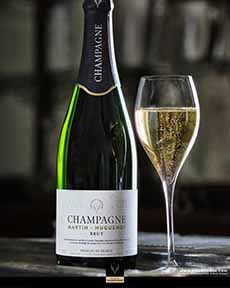
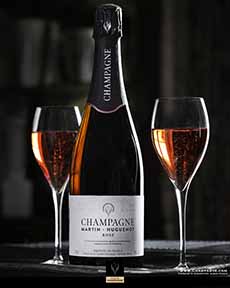
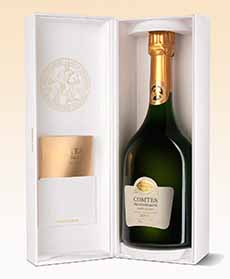
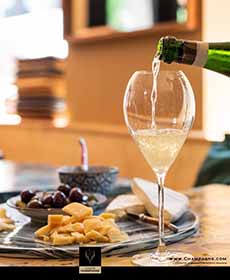
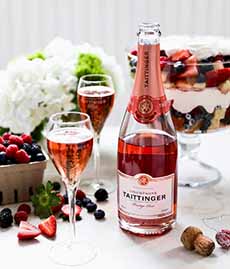
Have you ever considered serving Champagne with barbecue? Neither did we, until the Champagne Bureau U.S. sent us the following pairing suggestions for a Memorial Day celebration. Your crowd may prefer beer or a hearty red wine with barbecue (Barolo, Bordeaux, Cabernet Sauvignon, Malbec Shiraz, Zinfandel). But if you’d like to try something different, take a look below. Champagne pairs perfectly with grilling, says the Champagne Bureau, which is the official site of the Comité Champagne—officially the Comité Interprofessionnel du Vin de Champagne, or CIVC for short. This trade association represents all the grape growers and houses (producers) in the Champagne region of France. both the growers and the producers (houses) of the Champagne region in France. This trade association represents We must note that while Champagne is the crème de la crème of sparkling wines, you can easily use less pricy bubbly. Check out our list of affordable sparkling wines. > May 16th is National Barbecue Day. Below: Champagne and barbecue pairings. Elsewhere on The Nibble: > The 6 styles of champagne: Blanc de Blancs, Blanc de Noirs, Non-Vintage, Prestige Cuvée, Rosé, Vintage. > The 7 levels of Champagne sweetness: Brut Nature, Extra Brut, Brut, Extra Dry, Dry, Demi-Sec, Doux. > The year’s 10+ Champagne and other bubbly holidays. > The year’s 24 pork holidays. Pulled Pork (The Carolinas and Memphis): This is the backbone of Southeastern BBQ. Pork shoulder or the “whole hog” is smoked for up to 24 hours until it can be Shredded. In Eastern North Carolina, they typically cook the whole hog, mixing the crispy skin with various parts of the pig to create a unique texture Truth BBQ. Burnt Ends (Kansas City): These are the deeply caramelized, fatty cubes cut from the “point” end of a smoked brisket. Once considered scraps, they are now the “crown jewel” of KC BBQ, often re-sauced and smoked a second time to become meat candy BBQHOUSE. Mutton (Western Kentucky): A distinct departure from beef and pork, Western Kentucky is famous for slow-smoked mutton (mature sheep). It is typically served with a thin, Worcestershire-based “black dip” that cuts through the rich, gamey flavor of the meat WebstaurantStore. Tri-Tip (Santa Maria, California): A specific triangular cut of beef from the bottom sirloin. Unlike Southern BBQ, which uses indirect smoke, Santa Maria style involves grilling the tri-tip over an open pit of red oak coals, resulting in a flavor more akin to a smoky roast BBQHOUSE. Smoked Chicken with White Sauce (Alabama): While many regions smoke chicken, Alabama is unique for its “White Sauce”—a tangy, creamy mixture of mayonnaise, vinegar, and pepper that is used as a finishing dunk for halved chickens Truth BBQ. Barbecue Sausages and Stews Texas Hot Links: Influenced by German and Czech immigrants, these are spicy, snap-casing beef or beef-pork sausages smoked alongside the brisket. In East Texas, they are sometimes called “Hot Guts” due to the traditional natural casings used WebstaurantStore. Barbacoa (South Texas): Deeply rooted in Mexican tradition, authentic South Texas barbacoa involves slow-cooking cow heads (particularly the cheek meat) in an underground pit or smoker until the meat is incredibly tender and rich BBQHOUSE. Barbecue Spaghetti (Memphis): A unique regional fusion where spaghetti noodles are tossed in a blend of marinara and BBQ sauce, then loaded with smoked pulled pork WebstaurantStore. Burgoo (Kentucky): A thick, hearty “hunter’s stew” made from a variety of smoked meats (often mutton and pork) and vegetables, simmered until it becomes a dense, flavorful meal WebstaurantStore. Certainly it’s a highbrow/lowbrow pairing, but Champagne and other sparklers offer a diversity of styles that can be paired with a barbecue menu. And why not: Sparkling wine has that same palate-refreshing __ as beer, a popular barbecue beverage. If you’d like to learn more about Champagne, you can take the Champagne Massive Open Online Course (MOOC) at your convenience. Study at your own pace, 24/7. The classic version is free and is packed with almost 5 hours of pairing tips and other fascinating facts about the Champagne region and its wines. How long is it? The total course runs for less than 5 hours and covers: Thanks to the 16,200 growers and 360 houses in Champagne that produce such wonderful wines, beloved the world over. ________________ *Although “demi-sec” translates to “half dry” in French, it actually means that it is half as dry as doux, the French word for sweet. †By pressing these red grapes very gently, and removing the skins quickly after pressing, the wine retains its white color. The grape juice is naturally white. Red wine is created by allowing the skins to remain in contact with the juice, imparting their red color. To make a rosé wine, the skins are left for a much shorter time. ‡While the wine they produce is red in color, most of the grape varieties’ skins are black with red or blue hues. Thus, the industry refers to them as black grapes. It is also proper to refer to them as red wine grapes, because they make red wine! |
|
|
|
||