A Hearty Francesinha Sandwich Recipe For National Sandwich Day
|
|
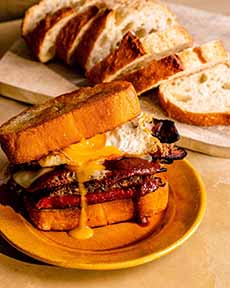
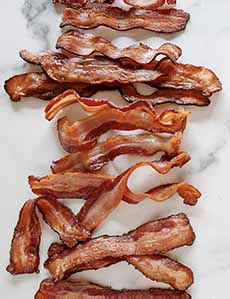
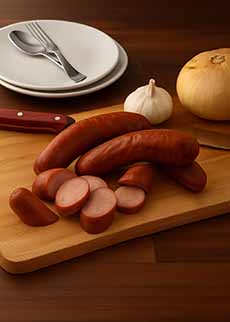
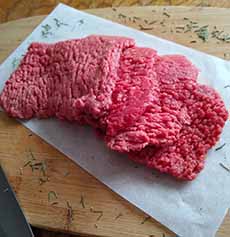
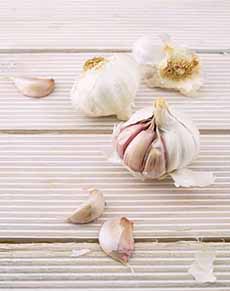
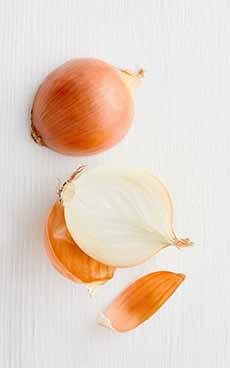
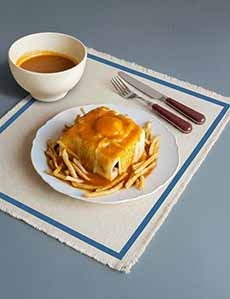
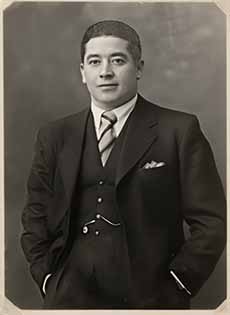
On November 3rd, National Sandwich Day, we published an article about a sandwich of which we’d never heard, the lampredotto. In a food forum we follow, it was acclaimed as Italy’s best sandwich. Strong words! We made it, and were so pleased with our new “find” that the next day we made a second type of sandwich we’d never heard of: the francesinha (frahn-seh-ZEEN-yah) from Porto, Portugal. The name means “little French woman” in Portuguese. French women at the time (the early 1950s) were considered, as they still are today, fashion-wise smart and sexy. The creator of the sandwich (more about him below), who had just returned to Porto from working in Paris, commented, A mulher mais picante que conheço é a francesa (The sharpest woman I know is the Frenchwoman).” Interestingly, it’s anything but svelte and sexy: It’s a big, bold, hearty, and potentially messy sandwich that might more accurately be called a “French lumberjack’s sandwich.” But no one asked us, so little Frenchwoman it is. This traditional Portuguese sandwich is considered one of the country’s go-to comfort food staples. The basic sandwich combines bacon, steak, and sausage on thick-sliced bread. It’s then smothered in a rich, spicy tomato- and beer-based sauce (it’s been simmered for 72 hours!), and topped with a of melted cheese. Some variations may include a fried egg on top as well. (The sandwich was inspired by a croque-monsieur; the croque-monsieur’s sister, croque-madame, has a fried egg on top.) The sandwich is then baked, grilled, or both, until it forms a gooey, golden layer. The francesinha has been described as “over-the-top,” and now you know why. It’s a popular dish in Portuguese pubs, casual eateries, and food stands. It’s so much of the culinary fabric of the country that it’s also served at gatherings and special occasions. Back to the chat forum… The conversation turned into an argument, and when it got intense, and we stopped following it. We put “have a francesinha” on our “things to do” list if we ever got back to Portugal. Then, by one of those funny coincidences, we received an email with the recipe from Chabaso, a Connecgicut bakery we follow. The owner has Portuguese roots. So divine Providence (the almighty, not the city) decided that our featured sandwich on November 3rd, National Sandwich Day, should be the Francesinha. > The recipe follows, but first, for your perusal: > The different types of sandwiches: a photo glossary. > The history of the sandwich. > The history of the Francesinha sandwich is below. > The year’s 25+ sandwich holidays. With the francesinha, there really is a “secret sauce.” What makes regulars choose one place over another is often the sauce. Each chef has his or her take on it. The basics are chopped tomatoes, onion, garlic, bay leaf, and beer. Some chefs then add heat—chili powder or a whole chiles, and other other alcohol (brandy, Port wine, whiskey) and then, any other “secret” ingredients. It’s also served with French fries. From all appearances, it’s very drippy—get lots of napkins. Here’s a take on the classic. You can visit modern variations 1. COOK the bacon until crisp. Set aside. Retain the fat in the pan. 2. CUT the sausages lengthwise. Fry them in the bacon fat until browned. Set aside. 3. TENDERIZE the steaks† and season with salt and pepper. Fry them for 2 minutes per side. Set aside. Reserve 2 tablespoons of bacon fat and discard the rest. 4. MAKE the sauce. Sauté the onion and garlic in olive oil until softened. Add the bay leaf, jalapeño, and tomato paste. Sauté until the paste darkens. 5. ADD the beer, Port, beef stock, and whiskey. Simmer for 15 minutes. Taste and season with salt and pepper. Cool and blend. If you don’t have an immersion blender, you can use a standard countertop blender or a food mill/sieve. Don’t have any of these? A mortar and pestle or a potato masher also work! 6. MIX the cornstarch with water, and stir into the sauce to thicken. 7. LIGHTLY TOAST the bread. 8. PREHEAT the broiler. Assemble the sandwiches: first the bottom slice of bread, then the sliced sausage, the cube steak, bacon, cheese, and bread. Broil until the cheese bubbles. Smother with sauce, top with egg if desired, add the top slice of bread, and you’re ready to go. The francesinha was created in Porto, Portugal, circa 1953 by a man named Daniel David da Silva (sometimes written as Daniel David da Silva or de Silva or shortened to Daniel Silva—photo #7). He had previously worked at a restaurant in France, where he became acquainted with the croque-monsieur sandwich—a hot sandwich made with Bayonne ham and Gruyère cheese, grilled in butter, topped with béchamel sauce, and baked. Da Silva sought to turn the croque-monsieur concept (photo #9) into a heartier sandwich, one more suited to the Portuguese penchant for bolder tastes. As a working ma himself, he wanted it to be a delicious, affordable, filling meal for the working classes. He: At some point, some other chef created the “francesinha especial” with a fried egg on top (photos #7 and #10); and the variations continued to flow. Key sources including the Portuguese Wikipedia entry say that da Silva introduced the sandwich at Restaurante A Regaleira, a famous spot in Porto, in 1953. But other sources say that it’s not where the francesinha was originally invented—it was a cafe adjacent to a restaurant (but we can’t confirm the details). Either way, the little French woman became an immediate hit: everything that da Silva hoped it would be. Cafés and restaurants of note put it on their menus, including A Regaleira. The sandwich grew in awareness throughout the region, eventually spreading across Portugal and becoming a beloved comfort food. It’s typically eaten as a hearty lunch or dinner. Today, the francesinha is considered a national treasure in Portugal—particularly in Porto—and has become part of the country’s culinary heritage. It’s more than just a sandwich—it’s a dish that people take pride in. While its origins are rooted in France, the francesinha is part of Portugal’s culinary past, present, and future. The article continues after the photo. |
|
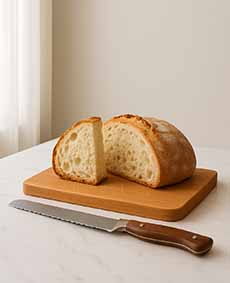
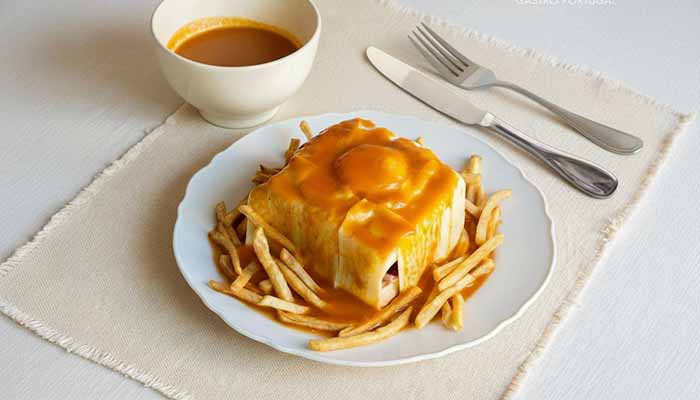 [10] The francesinha especial with a fried egg on top. Do you want fries with that? Did you have to ask (photo © Gastro Portugal)? MODERN VARIATIONS Any recipe may be rooted in tradition, but adapts over time to suit evolving tastes and culinary interpretations. As at any eatery, chefs put their own spin on the original. Here are some of the variations you can find: You can substitute chorizo in any recipe. Chorizo typically spicier, with a strong paprika flavor. The Spanish version of chorizo is smoked or dried; the Mexican version is sold raw, and is spicier. †A cube steak (a tough cut from the top or bottom round) is already run through a mechanical tenderizer (a.k.a. swissing machine) to puncture and break down the muscle fibers. Some people sometimes tenderize it again at home with a meat mallet, if they want the meat very thin (e.g. Chicken Fried Steak), to create a uniform thickness (e.g., 1/4 inch), or to break down a few more fibers. The cedilla (the little hook under the c, i.e. ç) is essential in Portuguese. It changes the pronunciation of the “c” from a hard “k” sound to an “s” sound. In English-speaking regions, it is very common to see it spelled simply as linguica, lin-GWEE-kah. Properly,in Portuguese, it is lin-GWEE-sah. ††The Croque Monsieur’s classic preparation involves a combination of frying/grilling AND baking/broiling (photo #9). First, the assembled sandwich is pan-fried in butter on the stove top. This step creates the “croque”—the crunch. Next, the sandwich is placed on a baking sheet, smothered with the béchamel sauce and topped with grated Gruyère). It is then baked until heated through. Finally, it’s finished under the broiler (grill) for a minute or two until the cheese topping is bubbly and forms a golden, crisp crust. ‡In Portugal, the francesinha uses simple, thick-cut white sandwich bread, lightly toasted (similar to Texas toast). The goal of the bread is not to add a strong flavor, but rather to serve as a sturdy, absorbent base for the layers of meat, the melted cheese blanket, and—most importantly—the generous amount of hot, spiced beer-based sauce (molho de francesinha) that the entire sandwich is drowned in. CHECK OUT WHAT’S HAPPENING ON OUR HOME PAGE, THENIBBLE.COM. |
||