Fun Fusion Food: Roast Beef Sandwich x Caprese Salad Recipe
|
|
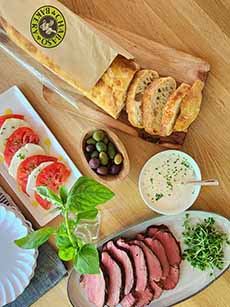
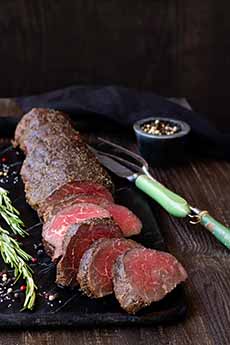
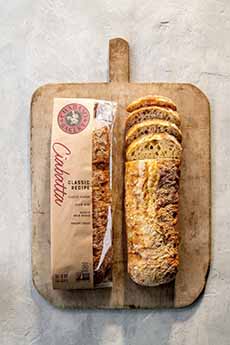
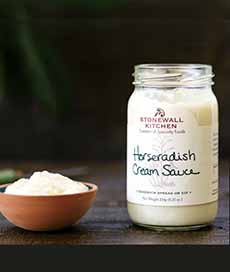
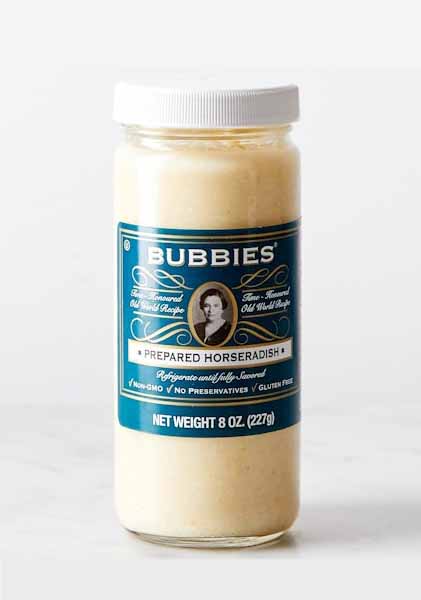
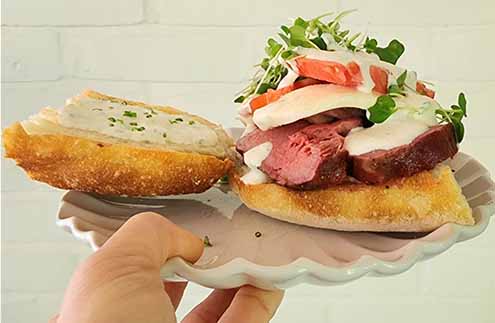
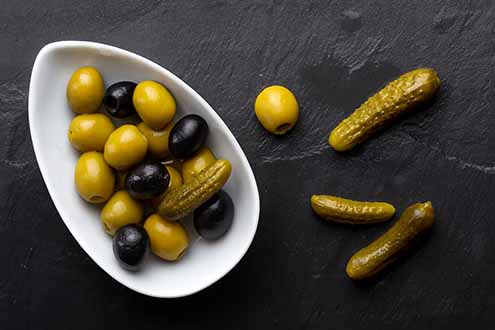
Smoky, spicy, and fresh—this smoked tenderloin sandwich on ciabatta bread (photos #1 and #6) layers has a topping of Caprese salad and a spicy horseradish sauce. Big thanks to Chabaso Bakery for sharing this with us. It was created by Cooking With Riccis. The recipe follows, but first: > The different types of sandwiches: a photo glossary. > The history of the sandwich. > The year’s 25+ sandwich holidays. > The history of ciabatta bread is below. > The different types of bread: a photo glossary. > The year’s 20 bread holidays. This recipe uses smoked beef tenderloin for an added layer of flavor (photo #2). It can be purchased from specialty meat markets, online retailers, and some high-end grocery stores. If you can’t obtain it—or if you aren’t into smoked foods—you of course can use regular tenderloin, other sliced steak, or even deli-sliced roast beef. We adapted the recipe slightly, using the basil of a Caprese salad instead of the specified microgreens. You can optionally add microgreens as a garnish. Or, if you’re able to find basil microgreens, use them instead of the basil. We also added mozzarella cheese, to make the topping an authentic Caprese salad. The Riccis sandwich uses Chabaso’s Olive Oil Ciabatta loaf, which is available at various markets, including Foodcellar Market, Foodtown, Price Rite, Weis Markets, and some Whole Foods locations. For online ordering and delivery, head to Instacart or Mercato. Thanks to both for the recipe. It was a big it, with a side of mixed olives with sweet gherkins and/or cornichons (photo #8). Preparation 1. MAKE the horseradish cream. In n a small bowl, mix the horseradish sauce, sour cream (or Greek yogurt), and chives. Season with salt and pepper to taste. 2. PREPARE the bread. Slice the ciabatta loaf horizontally. Toast lightly if desired, for extra crunch. 3. LAYER the sandwich. Spread a generous amount of horseradish cream on both halves of the bread. 4. BUILD the stack. Add smoked beef tenderloin slices to the bottom half, then layer with the optional sliced mozzarella, the tomato slices, and the fresh basil or microgreens. 5. FINISH. Drizzle the tomatoes/basil lightly with olive oil (optional), close the sandwich, slice, and serve immediately.
|
|
|
THE HISTORY OF CIABATTA BREAD Ciabatta is a relatively modern bread, created in Italy in the early 1980s in response to the growing popularity of French baguettes. It was created in 1982 by Arnaldo Cavallari, a baker and miller from Adria, a town in the Veneto region of northern Italy. Cavallari noticed that Italian sandwich shops were increasingly buying French baguettes for making panini (sandwiches), because of their crusty texture and airy crumb. Concerned about losing the tradition—and sales—of bread, he developed a new Italian loaf suited for sandwiches but distinctively Italian in character. He experimented for weeks, creating a high-hydration dough (i.e., very wet compared to most traditional Italian breads) that would produce a large, open crumb and a crisp crust. He named the bread ciabatta (cha-BOT-tah), the Italian word for sliper, because its long, broad, flat shape resembled a traditional felt house slipper. The version he perfected became known as Ciabatta Polesana, referring to the Polesine historic area of the Veneto where Adria is located. He registered the name and method, offering his patented flour blend formulated for ciabatta’s high-hydration dough, and also offering the production rights to bakeries abroad. Ciabatta quickly gained in popularity, with different regions of Italy adapting it to local tastes. In Rome, ciabatta romana was made lighter and airier. Ciabatta integrale, whole wheat, was made in Northern and Central regions like Tuscany, Emilia-Romagna, and Lazio, where artisan bakers were already making rustic whole-grain loaves. In 1985 a license was granted to Lipper’s Foods in the U.K., the first appearance of ciabatta outside Italy. By the late 1980s ciabatta had reached the U.S., which was in the throes of appreciation for artisanal breads, as well as developing a fondness for panini. In the years since, ciabatta’s appealing rustic appearance, chewy texture, and versatility has made it a hit in bakeries and cafés worldwide, as well as on grocers’ shelves. CHECK OUT WHAT’S HAPPENING ON OUR HOME PAGE, THENIBBLE.COM. |
||