The History Of Breakfast Cereal For National Shredded Wheat Day
|
|
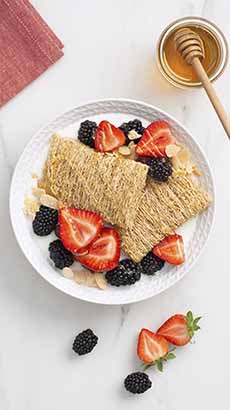
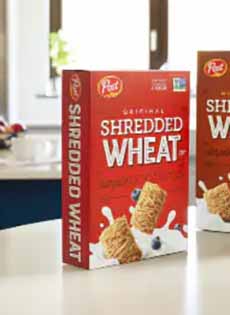
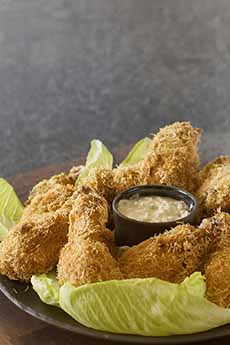
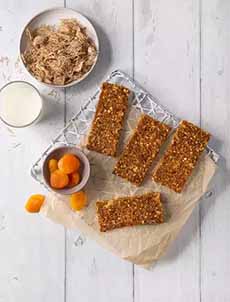
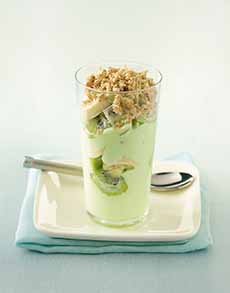
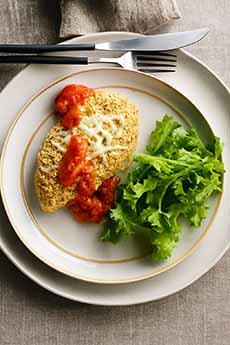
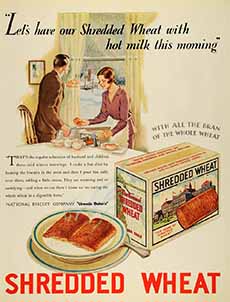
We are big fans of shredded wheat, which has its own national holiday: July 31st. To celebrate National Shredded Wheat Day, we offer you a history of the unique-looking breakfast cereal, plus ways to enjoy it it beyond the breakfast table. Shredded Wheat cereal is a ready-to-eat breakfast cereal made from 100% whole wheat, formed into distinctive woven wheat biscuits. It is one of the oldest cold cereals still sold today and a classic example of the early health-food cereal movement. Original Shredded Wheat biscuits had no sugar, no salt, and no additives, and high fiber—just steamed and baked whole wheat. Below: > The history of cold breakfast cereal. > The Shredded Wheat. > More ways to use shredded wheat. Elsewhere on The Nibble: > The year’s 15 cereal holidays. > The year’s 116 breakfast holidays. In the late 1800s, American diets were heavy in meat, fried foods, pastries, and alcohol, and short on vegetables and other fiber. This led to widespread constipation, indigestion, and dyspepsia (discomfort or pain in the upper abdomen, a common complaint of the time). Health reformers, especially in Battle Creek, Michigan*, promoted whole grains and high-fiber foods to aid digestion. Cold cereals like Shredded Wheat, Grape-Nuts, and Corn Flakes were created as “scientific” alternatives to greasy breakfasts. The philosophy was that bland, whole-grain foods could “cleanse” the body and mind and promote longevity. Plus, cold cereal fit into the vegetarian, temperance-oriented lifestyle promoted at sanitariums. Henry Drushel Perky (1843-1906) was a lawyer, businessman, promoter and inventor. A devout vegetarian, he was an advocate of whole wheat and a pioneer in health food, invented Shredded Wheat in 1890. In the early 1890s, at a Nebraska hotel, Perky, suffering from diarrhea, encountered a man similarly afflicted. The man was eating boiled wheat with cream to mitigate the problem. Intrigued, in 1892, Perky took the idea of a commercial product made from boiled wheat to a machinist friend, William H. Ford. The two developed a machine that shredded wheat flakes and flattened the cooked whole wheat between steel rollers. Voilà: the uniquely shaped and turned it into the pillow-like biscuits. (At first, Perky called them “little whole wheat mattresses.”) They patented the machine in 1893 and presented the machine at the 1893 Columbian Exposition, marketed as a modern health food. It attracted attention for its health benefits and novel form. In 1895, Perky launched the Cereal Machine Company in Denver, selling both the cereal and the machine to bakeries. Later that year, he opened the Natural Food Company, a factory in Boston, to mass-producing the cereal for consumers. The company moved to Niagara Falls, New York, for the cheap hydroelectric power and proximity to wheat farms, and eventually became the Shredded Wheat Company. His initial intention was to sell the machine. Instead, he ended up selling shredded wheat on the street from horse-drawn wagons, meeting consumer demand for a healthy breakfast, meant to be eaten with hot or cold milk (source). The original patent for Shredded Wheat was issued in 1895. At that time, utility patents lasted for 17 years from the date of issue and thus expired in 1912. (Today it’s 20 years from date of issue, and 15 years for design patents. The name Shredded Wheat is also now generic.) Nabisco introduced bite-sized Mini-Shredded Wheat in 1930 (decades before Frosted Mini-Wheats). The cereal was popular enough that the Kellogg Company decided to introduce a similar shredded wheat product. This led to a landmark Supreme Court case: Kellogg Co. v. National Biscuit Co. (1938). The court ruled that Shredded Wheat was generic after the patent expired, allowing competitors to make similar cereals. Nabisco acquired the company in 1928. Nabisco later merged with Kraft and then sold off its cereals. Post Foods (now Post Consumer Brands) currently produces Shredded Wheat in the U.S. In Canada and the U.K., the brand is owned by Nestlé, under license from Post. Post, which purchased Original Shredded Wheat from Nabisco, makes Original Big Biscuit, Original Spoon Size, and Spoon Size Wheat ’n Bran. Most of the sweetened Nabisco/Post flavors have been discontinued, such as Post Honey Nut, Vanilla Almond, Mixed Berry, and the Frosted line (Cinnamon Roll, Mixed Berry, S’mores, etc.). Kellogg’s has expanded beyond unfrosted Mini-Wheats into Blueberry, Maple Brown Sugar, Pummpkin Spice, Strawberry, Touch Of Fruits, and Little Bites variants including Chocolate. Early cookbooks suggested using Shredded Wheat as pie crust, casserole topping, and even mock meatloaf filler. Later, it became used often in desserts, from garnishes (photo #6) and toppings for crumbles and crisps to chocolate nests for Easter, as well as incorporated into: > Check out all these Shredded Wheat recipes from Post Consumer Brands. †C.W. Post was a great marketer, and wanted a healthy, natural=sounding name, which appealed to the late 19th-century health food movement. It was promoted as nutritious, easily digestible, and energizing. The “Grape” came from grape sugar (glucose), which was believed to form during the cereal’s baking process; and “Nuts” referred to the hard, crunchy nuggets that resembled small nuts and had a toasty, nut-like flavor. ‡Force wheat flakes were introduced in 1901–1902, created by C.E. Barter and commercially developed with W.K. Kellogg’s help. It was one of the first ready-to-eat toasted wheat flake cereals. By 1903, Force was a national sensation in the U.S. and the U.K. It was among the first cereals to rely heavily on mass advertising rather than just health claims. But it was a victim of changing tastes and management. As Americans wanted sweet cereals, Kellogg’s, Post, and Quaker Oats dominated shelves with their sugary brands. Plus, Force changed hands multiple times, diluting its marketing consistency. Force vanished from the U.S. by the mid-20th century, unable to compete with sugary cereals. |
|
|
CHECK OUT WHAT’S HAPPENING ON OUR HOME PAGE, THENIBBLE.COM. |
||