TIP OF THE DAY: Buckwheat Crepe (Galette) Filled With Ham & Eggs
|
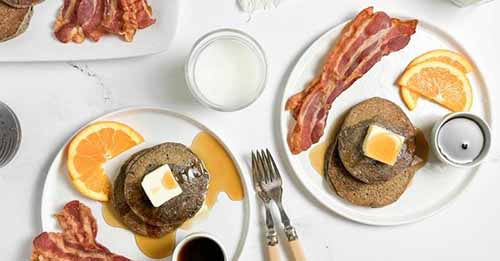
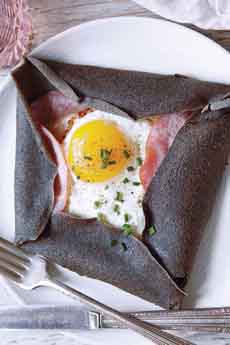
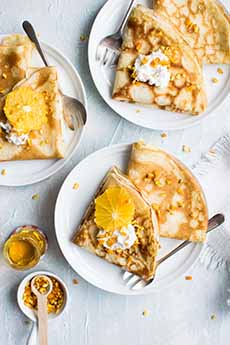
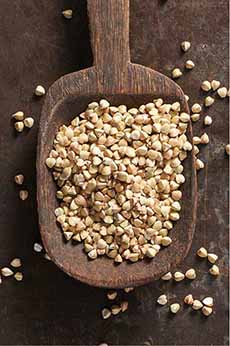
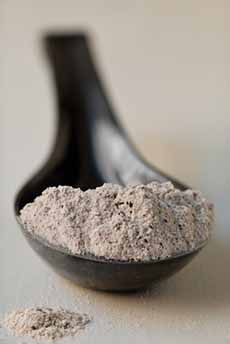
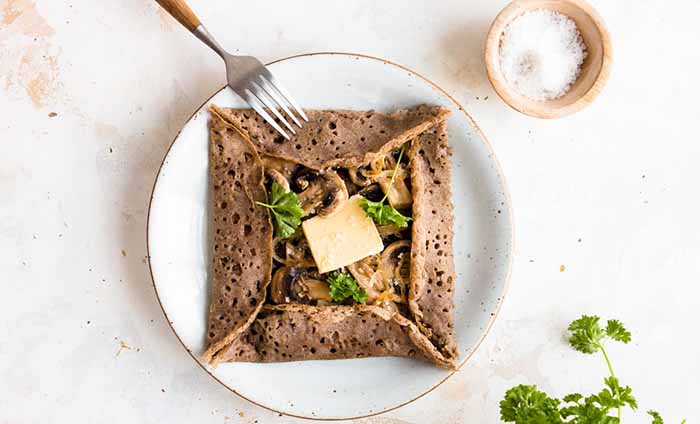
A crêpe is a type of very thin pancake, that can be served unfilled, with only a sprinkling of confectioners sugar, or with sweet or savory filling. Buckwheat crêpes are a gluten-free alternative to a traditional crêpe. A common galette filling in France is ham and cheese with a sunny-side-up egg on top. Play with the ingredients and make yourself a breakfast galette filled with the types of eggs, cheese and breakfast meat you prefer. You can also use combinations of: > December is National Buckwheat Month. Below: > The buckwheat galette recipe. > What is buckwheat and the history of buckwheat. Elsewhere on The Nibble: > Soba noodles and soba salad recipe. > The year’s 7 pancake holidays. > The year’s 35+ grain holidays. This recipe for galettes is from King Arthur Flour. Prep time is 20-35 minutes, cook time is 20-25 minutes. You can halve the recipe if you need five or fewer servings. Ingredients For 10-12 Crêpes 1. MAKE the crêpe batter: Combine all the ingredients except water in a blender, and blend until smooth. 2. COVER the batter and let it rest in the refrigerator for at least 2 hours or overnight. When you’re ready to make the crêpes… 3. THIN the batter with water, using less water for thicker crêpes and more water for thinner ones. 4. PREHEAT a crêpe pan or non-stick skillet over medium-high heat. Lightly grease the pan with butter, oil, or pan spray. Pour in enough batter to thinly coat the bottom of the pan. Swirling the pan as you pour the batter will help ensure an even coating. 5. COOK the crêpe for 1 to 2 minutes on the first side, until it’s golden and lifts from the pan easily. Flip it over and cook for another 1 to 2 minutes on the other side. 6. TOP with 2 tablespoons of grated Swiss cheese and a thin slice of ham. Cook until the cheese is melted and the underside is browned. In a separate pan, fry an egg to desired doneness. Place the egg in the center of the crêpe, sprinkle with herbs, then fold the edges towards the center to make a square. 7. TRANSFER the cooked crêpes to a plate, keeping a towel over them to hold in the warmth. Fill as desired; serve immediately. NOTE: While the crepês won’t keep—a stack of unfilled crêpes will start to adhere to each other—you can follow up the ham-and-egg crepes dessert crepes, filled with jam, fruit, ice cream, etc. Buckwheat (Fagopyrum esculentum) is not wheat, but a highly nutritious, gluten-free pseudo-cereal, derived from the seeds of a flowering plant related to rhubarb and sorrel. A pseudocereal is a seed used like a grain, and its used like wheat: in grain salads, pancakes, and as a porridge, soba noodles. Toasted, it’s known as kasha. |
|
|
|
Like quinoa, another pseudocereal, it contains all essential amino acids, making it a complete protein. It’s a good source of fiber and protein, manganese, magnesium, copper, and iron. It’s a heart-healthy superfood. Plus, it’s sustainable: a fast-growing, hardy crop that often requires fewer resources and is great for sustainable, organic farming. Its hulls (outer shells) are used for making pillows and as organic garden mulch. Pseudocereal seeds’ high starch content enables them to be cooked and consumed like a cereal. Today, buckwheat, renowned for its nutty flavor and gluten-free, is used worldwide in savory and sweet dishes, nutritious profile. Eastern European kasha, French galettes (savory crêpes), Italian pizzoccheri pasta, Japanese soba noodles, and Russian blini are just some well-known international dishes. It’s also a staple in Indian cuisine, for breads, dosas, dumplings, fritters, puddings, stews, and more. Buckwheat is also made into tea and whiskey, and the flowers of the plant provide buckwheat honey. *Two pastry types are also called galette. First is a crusty flat cake (an inch or two high), such as an Epiphany Cake (galette des rois). The term is also given to a French pastry similar to a tart or a pie. Created in the days when most people lacked pie pans, the pie filling is placed atop the pastry dough on a work surface, and the dough edges are turned up to create an edge. Here’s a photo. CHECK OUT WHAT’S HAPPENING ON OUR HOME PAGE, THENIBBLE.COM.
|
||