Cuban Sandwich Recipe For National Cuban Sandwich Day
|
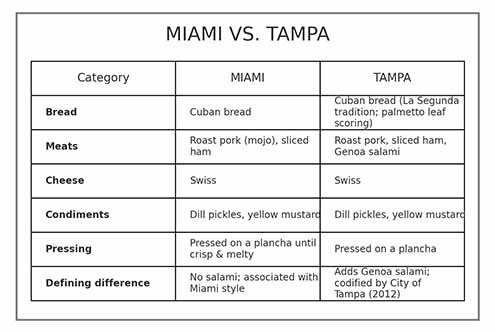
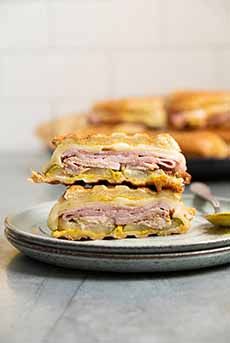
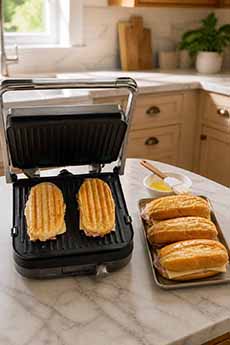
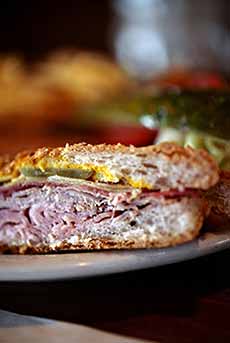
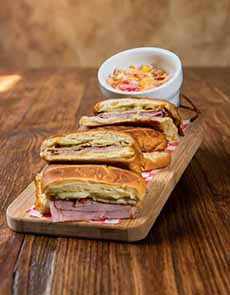
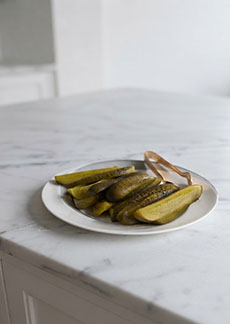
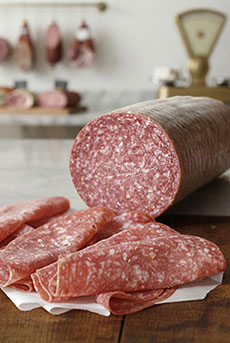
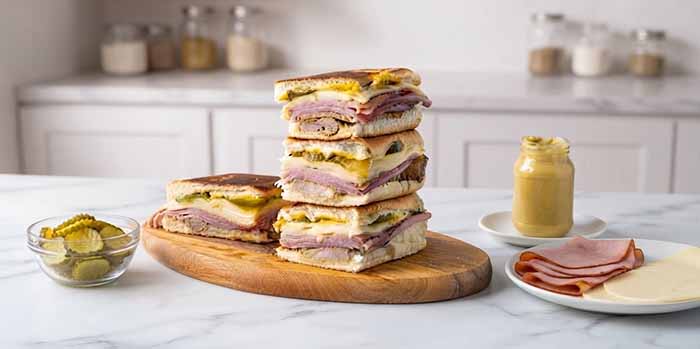
Updated August 2026 Depending on where you reside, you may never have heard of a Cuban Sandwich, called a Cubano in Cuban restaurants. But August 23rd is National Cuban Sandwich Day, honoring a pressed hero-type sandwich that originated in Tampa and traveled to Miami and points beyond. In fact, there’s a rivalry between the two cities over small details (check out this article on NPR.org). Here’s a recipe. You can make it in a panini press, or with two skillets. National Cuban Sandwich Day even has its own Facebook page, with many more photos and videos. The annual Cuban Sandwich Festival in Ybor City attracts competitors from around the United States and beyond In 2015, participating restaurants joined forces to make a 105-foot-long Cuban Sandwich, the world’s longest. Alas, we could find no photo. Below: > What’s a Cuban sandwich, a.k.a. Cubano? > The history of the Cuban sandwich. > Medianoche, a sister sandwich. Elsewhere on The Nibble: > The history of the sandwich. > The different types of sandwiches. > The year’s 27 sandwich holidays. > The year’s 20 bread holidays. A Cuban sandwich (or cubano) is a traditional grilled ham and cheese sandwich that originated in Cuban immigrant communities in Florida, most notably in Tampa and Miami. The original Cuban sandwich from the Ybor City district of Tampa, Florida is a type of hero sandwich. The classic sandwich is built on a specific style of Cuban bread and features a distinct combination of layered ingredients: The first commercial offering of Cuban bread itself (photo #4) was in 1896. The baker, Francisco Ferlity, had emmigrated from Sicilty and established at La Joven Francesca bakery in Ybor City. (The bakery closed in 1973 and is now part of a museum.) A staple of Cuban cuisine, Cuban bread is a simple, white yeast bread: flour, water, yeast, salt, and a small amount of lard or shortening. Typically baked into long, flute-like loaves like a baguette, it delivers a flaky crust with a soft, fluffy, and slightly airy interior crumb. While Ferlita popularized this commercial baking style in Florida, the broader recipe blends deep Cuban, Spanish, and Italian cultural traditions. The Beginning Tampa and Miami have an ongoing rivalry over the correct ingredients for a Cuban sandwich. Miami avows that salami should never be used. Plus, Miami-style Cuban sandwiches can be spread with butter! But there’s no doubt about the original ingredients. In 2012, the Tampa City Council passed a resolution designating the “Historic Tampa Cuban Sandwich” as the “signature sandwich of the city of Tampa.” The Council proclaimed that a traditional Tampa Cuban is to include Cuban bread, ham, mojo-spiced pork, Genoa salami, mustard, Swiss cheese, and three pickle chips. National Cuban Sandwich Day was started by Christopher Spata, a Tampa Bay Times staff writer, as a hoax. On August 23, 2016 he declared “National Cuban Sandwich Day” as a tongue-in-cheek experiment to show how easily “national food days” can be fabricated. He wrote a piece for the paper explaining that he picked August 23rd because it was already National Sponge Cake Day, drafted a press release, launched social pages and a hashtag, and submitted the “holiday” to calendar sites. He proved that with “$12 and three hours” anyone could establish a holiday. (Editor’s Note: The holiday sites now charge significantly more.) Worldwide Demand Continued below photo. |
|
|
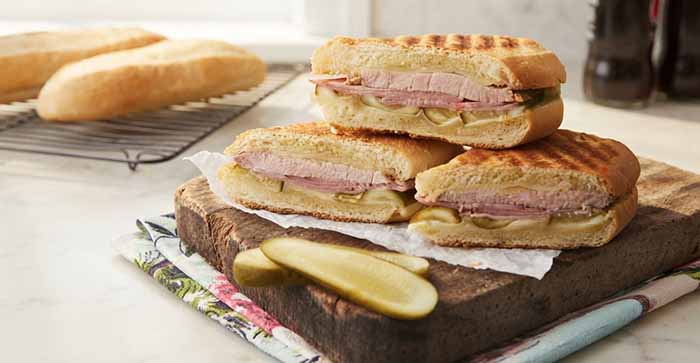 [9] Lunch is waiting (photo © The Nibble)! MEDIANOCHE, THE CUBAN SANDWICH SIBLING Very similar to the Cuban Sandwich is the Medianoche (“midnight”), which originated in Cuba. As the name suggests, this sandwich is popular late-night fare, served in Havana’s nightclubs. It contains the same ingredients as the Cuban Sandwich—ham, roast pork, Swiss cheese, mustard, and dill pickles. However, it is smaller and uses a different bread: slightly sweet rolls made from an egg dough with a bit of sugar (similar to challah but a different shape). Like the Cuban sandwich, the medianoche is typically warmed in a press. So warm up the press: Wherever you live, today’s the day to enjoy a Cuban Sandwich. And while you’re at it, there’s pan con lechón: Cuban roast pork with mojo*, pickles, and mustard, no ham or cheese. Outside of Cuba, its closest relative is the Italian muffuletta sandwich, pressed Italian cold cuts and cheese on a sesame loaf. Different flavors, similar stacked/pressed sandwich preparation. Both the Cubano and the muffuletta fall into that great category, the hero sandwich (also grinder, hoagie, submarine, etc.).
________________ The marinade is made with sour orange juice (naranja agria), garlic, oregano, ground cumin, salt and pepper, and oil. Onion and bay leaf are options. Some cooks add a splash of vinegar. Mojo recipe: If you want to make it but can’t access sour orange juice, add 1 part lime juice (e.g. 1/4 cup) to 2 parts orange juice (e.g. 1/2 cup). Then, warm 1/4 cup oil with 6 cloves minced garlic until just fragrant. Remove from the heat and add the sour orange juice or equivalent plus 1 teaspoon oregano, ½ teaspoon cumin, 1 teaspoon salt, and ½ teaspoon pepper. Marinate pork, chicken for 2–4 hours, fish for 20–30 minutes. As a dressing, just heat and pour over hot vegetables or yuca with sautéed onions. CHECK OUT WHAT’S HAPPENING ON OUR HOME PAGE, THENIBBLE.COM.
|
||