Food Blog - Best Food Blogs - Gourmet Food Blog THE NIBBLE Blog » PRODUCT: Have Some Pangasius
Advertisement
THE NIBBLE (TM) - Great Finds for Foodies (tm)
Find Your Favorite Foods
Shop The Nibble Gourmet Market
Send An e-Postcard
Enter The Gourmet Giveaway
Email This Page
Print This Page
Bookmark This Page
Contact Us
Sign Up For The Top Pick Of The Week
THE NIBBLE (TM) - Great Finds for Foodies (tm) The Nibble on Twitter The Nibble on The Nibble on share this The Nibble  RSS Feed


    THE NIBBLE’s Gourmet News & Views

    Trends, Products & Items Of Note In The World Of Specialty Foods

    This is the blog section of THE NIBBLE. Read all of our content on TheNibble.com,
    the online magazine about gourmet and specialty food.

PRODUCT: Have Some Pangasius

Americans ate 15.8 pounds of seafood per capita in 2009, down slightly from 16 pounds in 2008, according to The National Fisheries Institute.

Based on tonnage sold to consumers, foodservice and food manufacturers, 10 seafood varieties made up more than 88% of seafood consumption. And you’ve never even heard of #10!

You won’t be surprised at the top 3 on the list: shrimp, canned tuna and salmon. But what is the new fish on the block, #10, pangasius (pan-GAY-see-us)?

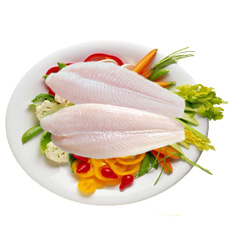
You may see pangasius on menus or in stores, under its more consumer-friendly names: white catfish, Vietnamese river cobbler, basa, tra and swai. Farmed in the Mekong Delta in southwestern Vietnam, this mild white-fleshed fish is a less costly substitute for tilapia. It is primarily used in food service, with new growth seen among food manufacturers.


Pangasius: the new white fish. Photo
courtesy Chinguyen.net.

Pangasius is a member of the scientific family Pangasiidae, the shark catfish family. Species are found in fresh and brackish waters across southern Asia.

In between shrimp, canned tuna and salmon at the top and pangasius in the #10 position are Alaska pollack, tilapia, crab, catfish, cod and clams.

  • See the Top 10 chart comparing 2008 and 2009 seafood consumption.
  • To learn more about depleted fish species and which types are environmentally safe to eat, visit Seafood Watch, which includes terrific information from the Montery Bay Aquarium.
  • Check out all the varieties of seafood in our Seafood Glossary.


  • Related Food Videos: For more food videos, check out The Nibble's Food Video Collection.

    Leave a Comment


    About Us
    Contact Us
    Legal
    Privacy Policy
    Advertise
    Media Center
    Manufacturers & Retailers
    Subscribe
    Interact