Celebrate Ginuary: A Whole Month Devoted To Gin
|
|
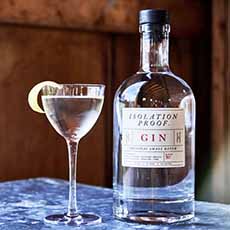
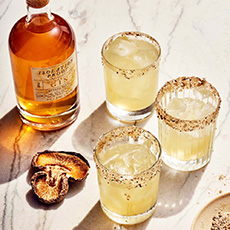
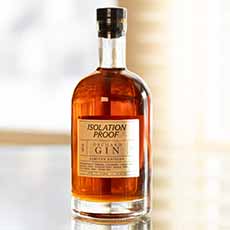
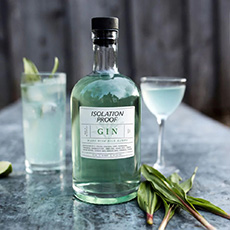
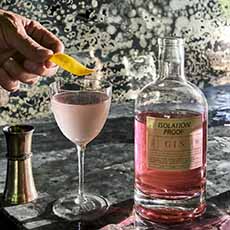
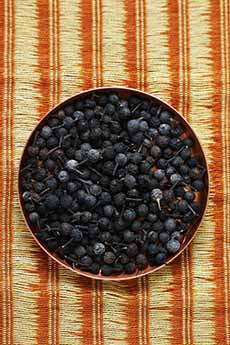
A whole month devoted to gin! We’ve been keeping our Top Pick Of The Week, Isolation Proof Gin, on ice (as it were), just waiting for Ginuary. We tried it last spring at a gin tasting of 20 or so artisan brands. It was the clear standout for us (understanding that everyone’s palate may seek a different experience). Our accolade follows. > The history of Ginuary is below, along with a Freezer Martini tip. > The different types (expressions) of gin. > The year’s 14 gin holidays. Isolation Proof Gin is a small distillery, its spirits crafted by Jake Sherry, a gifted artisan. He is dedicated not to churning out the identical gin year after year, but to capturing the essence of each season (not unlike how each vintage of wine reflects the unique qualities of that season). As a result, he creates limited-edition releases that showcase the unique botanicals flourishing in the Western Catskill Mountains* in New York State. The brand was born in 2020 in a wooden barn in the Catskills, from a desire to make sustainable spirits using local ingredient. It began during the pandemic, and the isolation of quarantine. A stylistic cross between London Dry and New American style gin‡ (the different styles of gin), Isolation Proof Original Gin is earthy and spicy. It has a backbone of sweetness from licorice and orange peel, and a signature peppery finish from the cubeb berry, a spice from a tropical vine (photo #6). It’s versatile in cocktails and extraordinarily sippable by itself. With its other expressions, the line also pushes the boundaries of flavored gin: not gimmicky, but profound. Just a single distillation with botanicals. We love the natural minerality that comes through in our spring water, and the temperature fluctuations that occur across all four seasons. The result of working with For people concerned with sustainability, As a farm distillery, we source 80%+ of our raw ingredients from New York State, including our base spirit which is made from 100% up-cycled whey, dairy by-product that would otherwise be thrown away. The whey is converted to sugar, which is converted to alcohol, which we convert to sustainable and delicious gin. From Isolation Proof’s own description, the name is tied to the idea of isolation—they started during the pandemic and the name is “a nod to the solitariness of quarantine.” > Get your Isolation Proof Gin here! All of the brand’s expressions begin with signature seven core botanicals: juniper berries (photo #7) plus angelica root, cassia bark, coriander, cubeb*, licorice root, and orange peel. We sipped all of them straight, but the brand offers cocktail advice plus (with recipes on the website). Original expression (photo #1) is a cross between London Dry and American style gins‡. Its earthy and spicy tones, join a backbone of sweetness from organic licorice and orange peel and a signature peppery finish from cubeb berries (photo #6). This complex yet sprightly botanical profile makes Original our current favorite gin for straight sipping (or for cocktails, of course—but do try it straight). Mushroom Gin Don’t be surprised; it’s a very special, beguiling gin for mushroom lovers (photo #2). Earthy and savory, the distillation includes maitake and shiitake mushrooms, along with chamomile and green coriander. It’s an umami gin. Orchard Gin The orchard is an apple orchard; the gin is a malty, full-bodied, modernized Old Tom gin† with hints of apple, pear, cocoa and spice (photo #3). Macerated wild apples are picked from the distillery’s own property, with diced dried pears added post distillation. The final step is a brief steep in loose leaf Assam tea. Ramp Gin The distiller calls it “our wildest gin yet…zany, yet refined…sagacious…beguiling. The embodiment of earthiness and vernal flavor, it sizzles with freshly-picked wild ramps.” As you can see in photo #4, it’s a beautiful shade of pale green. It’s a must-try for Dirty Martini fans. Feel free to add some orange bitters, which layer on complexity without fighting with the olive juice. Strawberry Rhubarb Gin The beautiful pink hue (photo #5) results from adding local strawberries and rhubarb to the still, followed by pink peppercorn, grapefruit peel, blood orange peel, and a touch of cardamom. In addition to straight sipping, use this expression with citrus-forward cocktails and summery classics like the Gin & Tonic, Gimlet, and White Negroni‡‡. We adore the Original Small Batch. It’s become our favorite sipping gin—and that says a lot, given the different fine brands we’ve enjoyed. It’s a perfect gin-lover’s gift, something truly special. In addition to Original, consider: Below: The history of Ginuary and Freezer Martinis. |
|
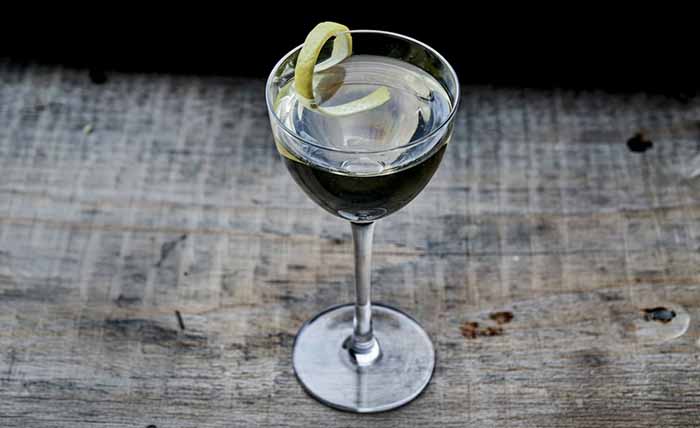 THE HISTORY OF GINUARY Ginuary traces its roots to 2012. It began as a social media experiment by “Miss Ginuary,” the pseudonym of an Australian blogger who committed to trying a new gin drink recipe every day throughout the month of January. “Ginuary” is a playful portmanteau of “gin” and “January.” Her act, which spawned a global movement, was created as the counterpoint to Dry January, when some people choose to abstain from drinking. Instead of abstaining from alcohol, Ginuary encourages enthusiasts to explore the history, different styles, and botanical varieties of gin. Ginuary has become a month-long celebration featuring festivals, tastings, new cocktails, brand promotions, and other celebrations. Some people drink gin at room temperature, others prefer it chilled. For the chilled crowd, Isolation Proof suggests making a bottle of Freezer Martinis: 2 parts gin, 1 part vermouth, 0.5 parts water. You can grab the bottle from the freezer whenever you decide to call “Martini time!” and enjoy a very chilled drink. > Here’s more about Freezer Martinis. †Old Tom gin is a historical style that’s typically sweeter and rounder than London Dry gin. It was the bridge between the older Dutch Genever style and the modern dry gins. ‡American style gin refers to a movement led by U.S. craft distillers (like Aviation in Portland (Oregon), Bluecoat in Philadelphia, and St. George in California). It implies a “New World” botanical-forward (citrus, floral, or spice) approach, with juniper as a supporting or equal parter. One can find a variety of different notes—citrus, cucumber, lavender, rose, sarsaparilla, and even apples, grapes, or honey. London Dry gin, on the other hand, is juniper-forward (piney, resinous notes), with well-defined notes of angelica root, black pepper, and pine. ‡‡The White Negroni is a modern variation of a classic cocktail that replaces the Campari and sweet vermouth of a Negroni with French-inspired, paler alternatives: a bittersweet gentian liqueur (typically Suze) and a floral, wine-based apéritif (typically Lillet Blanc). The result is a lighter, brighter, more herbaceous, and subtly bitter drink. CHECK OUT WHAT’S HAPPENING ON OUR HOME PAGE, THENIBBLE.COM. |
||