Gift Of The Day: Dar Baklava & Other Middle Eastern Treats - The Nibble Webzine Of Food Adventures Miniature Dar Baklava & Other Middle Eastern Pastry Bites


THE NIBBLE BLOG: Products, Recipes & Trends In Specialty Foods


Also visit our main website, TheNibble.com.

Gift Of The Day: Dar Baklava & Other Middle Eastern Treats

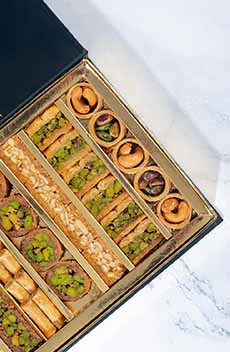
Dar Baklava Gift Box
[1] Who wouldn’t want a 40-piece box of miniature Middle Eastern pastries (photos #1, #5, #6, and #7 © Dar Baklava).

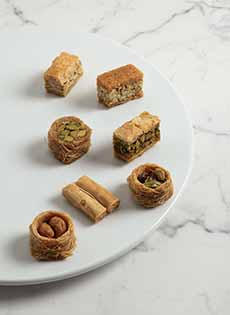
Middle Eastern Pastry Plate
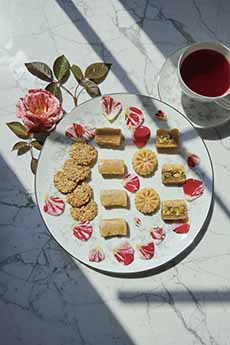
[2] A beautiful plate of miniature Middle Eastern pastries, ready to serve with coffee (Abacus Photo).

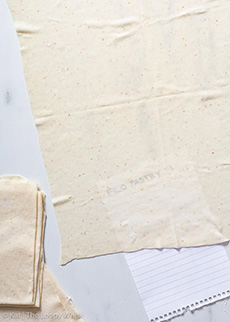
A Sheet Of Phyllo Dough
[3] Phyllo dough is as thin as a sheet of paper! This photo shows a gluten-free sheet that is part of a GF baklava recipe (photo © The Loopy Whisk).

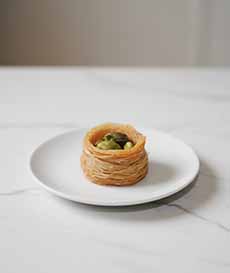
Bird's Nest Pastry
[4] A bite-sized Bird’s nest pastry: a phyllo nest with honey and pistachio “bird’s eggs” inside (Abacus Photo).

Middle Eastern Pastry Tray
[5] Another miniature pastry plate, ready for tea, hot or iced.

Dar Baklava Gift Boxes
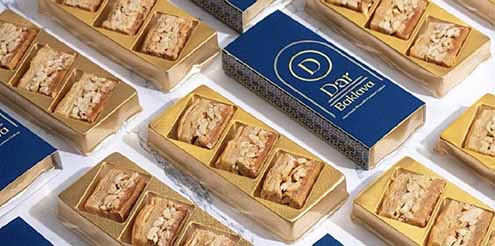
[6] Handsome gift boxes.


November 17th is National Baklava Day, the perfect day to present our Gift Of The Day: Dar Baklava.

This Middle Eastern dessert is made of layers of phyllo pastry filled with a mixture of ground nuts and sugar. The pastry is brushed with a honey syrup flavored with lemon or rosewater, baked, and sliced.

The earliest form of baklava was made in the 8th century B.C.E. in northern Mesopotamia. The Assyrians layered very thin pieces of dough with nuts and honey, then baked them in wood-burning ovens.

It recipe through the Levant*, and Greek seamen brought the concept back to Hellas.

Fast forward eight centuries or so.

Dar Baklava has created mini versions of baklava and other favorite treats. These miniature pastries are great for snacking, for a small dessert with coffee, or on a pastry tray presentation (photos #2 and #5).

We’ll take a big bite out of Dar Baklava in a minute, but first, for your consideration:

> The history of baklava.

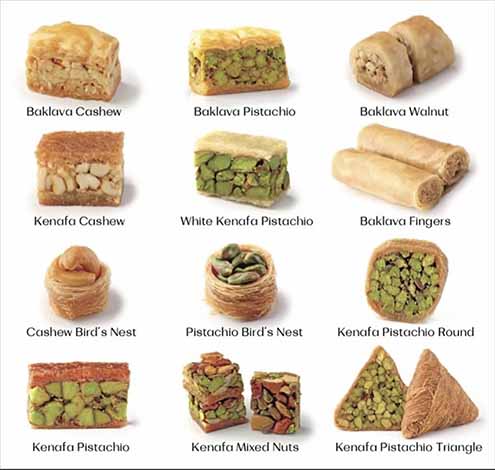
> The different types of pastry: a photo glossary.

> The year’s 15+ pastry holidays.
 
> The year’s 16 Greek food holidays.
 
 
INTRODUCING DAR BAKLAVA & OTHER PHYLLO CONFECTIONS

Dar Baklava is a Chicago-based business founded by a local pediatrician, Sherif Badawy. Why would a physician start a pastry business?

A fitness enthusiast as well as a doctor, Dr. Badawy noticed that the U.S. market lacked a snackable, healthier version of his favorite treat.

  • He spent years of research perfecting a recipe that preserved baklava’s flavors and textures while reducing the sugar (plus, there are up to four times more nuts than dough).
  • He wanted them to be a snack, as well as kid-friendly, so he engineered convenience and portability.
  •  
    The result: bite-sized baklava, formulated with 80% nuts, 20% phyllo dough (photo #3—some spell it filo), and less sugar than a traditional recipe. It’s finger food, but there are no sticky fingers!

    The baklava is made in in three varieties featuring different nuts*: cashew, pistachio, and walnut.

    Dr. Badawy went on to recreate other Middle Eastern favorites in miniature, so that you can have everything from:

  • Set of 40 handcrafted baklava pieces with 8 different varieties (photos #1, #6, and #8), including pistachio baklava, pistachio kunafa, pistachio kunafa round, pistachio bird’s nest, cashew baklava, cashew kunafa, cashew baklava fingers, and cashew bird’s nest.
  • Individual packages of three pieces, good for grab-and-go, lunch boxes, and stocking stuffers.
  •  
    The pastries are handmade in Jordan.
     
     
    Packages Of Cashew Baklava
    [7] Three-piece grab and go packages are great stocking stuffers.
     
    GET YOUR PASTRIES HERE

    > Head to DarBaklava.com.

    > You can also find them on Amazon.
     
     
    ARE THESE PASTRIES…OR ARE THEY COOKIES?

    The culinarian in us raises the question: Dar Baklava may be miniature pastries, but they’re also finger food and shelf-stable, like cookies.

    We pondered this and decided: Dar’s pastry bites are still pastries.

    Why not a cookie?

  • Baklava’s fundamental structure defines it as a pastry: layers of phyllo dough with nuts and syrup/honey. Its laminated, flaky phyllo construction is the hallmark of pastry work, not cookie baking.
  • Cookies are typically made from a dough (often with flour, butter, sugar, eggs) that’s scooped, rolled, or cut, then baked into a single cohesive texture (see the 10 basic types of cookies).
  • The preparation differentiates them as well. Baklava is assembled in layers and baked, then soaked with syrup: a distinct pastry technique. Cookies go into the oven as dough and come out finished.
  •  
    Size doesn’t change category: Miniature éclairs and cream puffs are still pastries. Just because they’re finger-food-sized doesn’t change anything.
     
    A Chart Of MIddle Eastern Pastry Types
    [8] The different miniature pastries from Dar Baklava.

     
    ________________

    *The Levant is an English term that first appeared in 1497. It originally referred to the “Mediterranean lands east of Italy.” The historical area comprises modern-day Iraq, Israel, Jordan, Lebanon, Palestine and Syria. Among other popular foods, Levantine cuisine gave birth to baklava, falafel, kebabs, mezze (including tabbouleh, hummus and baba ghanoush), pita and za’atar, among other dishes that are enjoyed in the U.S. and around the world.

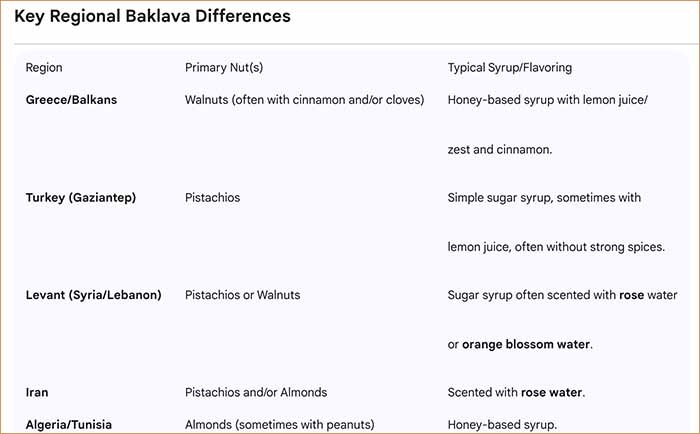
    There isn’t a single, “traditional” nut used in baklava, as the pastry is made in multiple countries and regions, each with its own abundant supply and palate preference. Walnut is the classic choice in many regional recipes, including Greek, Balkan, and some Levantine (like Lebanese and Syrian) recipes. They tend to offer a more robust, slightly earthy flavor that balances the sweetness of the syrup.

    Pistachio is the nut used in Turkish and Iranian baklava, and is also very popular in Syrian baklava. Pistachios provide a brighter green color and a richer, slightly sweeter, buttery flavor. In Turkey the famous Azep variety Gaziantep variety from south-central Turkey, has been granted Protected Geographical Indication (PGI) status by the EU, recognizing their unique regional characteristics and quality standards. Here’s more about them.

    Check out the chart for regional preferences.

    Comparison Chart Of Different Nuts Used In Baklava
    Gemini Chart.


    CHECK OUT WHAT’S HAPPENING ON OUR HOME PAGE, THENIBBLE.COM.


    Please follow and like us:
    Pin Share


    Comments are closed.

    The Nibble Webzine Of Food Adventures
    RSS
    Follow by Email


    © Copyright 2005-2025 Lifestyle Direct, Inc. All rights reserved. All images are copyrighted to their respective owners.