GIFT OF THE DAY: Effie’s Homemade Biscuits (Not What You Think!)
|
|
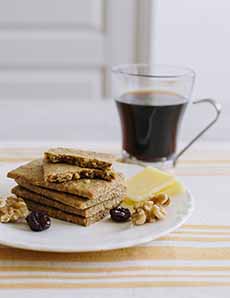
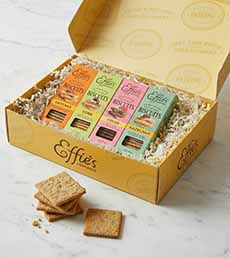
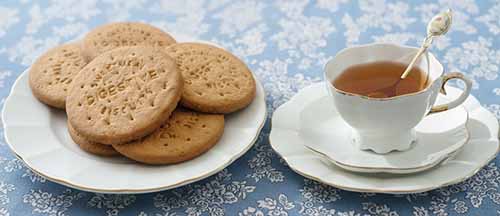
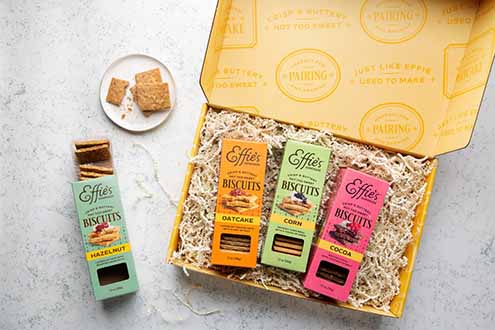
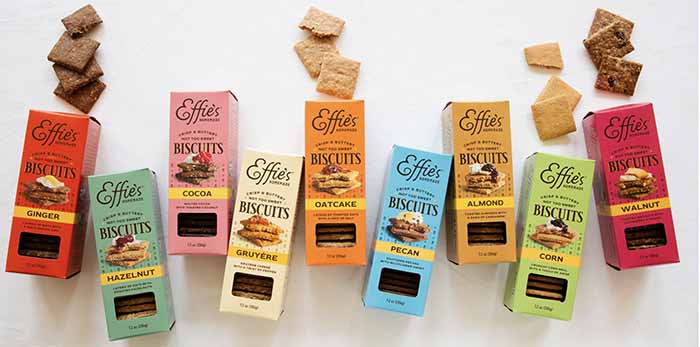
When we first met Effie, in 2010, she was selling her homemade oatcakes—and they were spectacular. We quickly showered them as a Top Pick Of The Week. Fifteen years later, the line has expanded, and each one is so good it creates a crisis: How to choose among these delectable, slightly sweet delights? Effie’s Biscuits are a perfect gift for someone with a fine palate, who appreciates the best. Yes, they’re a special-occasion biscuit—for entertaining, parties, or cocktails or a festive dinner at home. But they’re also a daily treat—a couple with a cup of coffee, a snack with a piece of cheese or a spread (see all the ways to use them). WAIT! you say. Effie’s Biscuits are not biscuits. A biscuit is a soft, fluffy, bread-like roll with a flaky, layered texture. Effie’s Biscuits are crunchy little squares, like crackers or cookies. Ah, the challenge of cultural differences. We’ll explain the confusion below., which started in the U.K. Effie, who grew up in Nova Scotia, uses British terminology, where “biscuit” is the catch-all term for what Americans split into “crackers” and “cookies.” Effie’s Homemade biscuits are inspired by a four-generation Nova Scotian recipe. The oatcake came to “New Scotland” from the Old World. Scottish oatcakes have a history stretching back to at least Roman times, and became the “national bread” of Scotland due to oats’ suitability to the wet climate (wheat isn’t). By the 14th century, oatcakes were a staple, with soldiers carrying them as a portable, high energy food. Today, they are a versatile food, eaten as a snack, accompaniment, or at breakfast. Back to the lexicon: In the U.K.**, biscuits exist on a spectrum from savory (like water biscuits or crackers) to sweet (like digestives, which have some sweetness but aren’t as sweet as cookies—and in fact are just like Effie’s). So yes, a British person would absolutely call a slightly sweet, cracker-like item a biscuit. Digestive biscuits (photo #14) are a perfect example of something that straddles that line. Thus, Effie’s Homemade Biscuits take their name from the British tradition. Choosing the name “biscuit” elevates Effie’s artisanal crackers beyond the everyday cracker, within the Anglo snacking tradition. > There’s more about this below. > The different ways to enjoy Effie’s Biscuits. > The difference between biscuits and crackers. > The year’s 6 biscuit and cracker holidays. Elsewhere on The Nibble: > The year’s 44 cookie holidays. > The differences between crackers, biscuits, and cookies are also below. > Bonus: How to crisp soggy crackers. Next: All the different ways to enjoy Effie’s Biscuits.
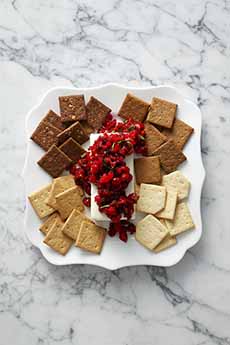
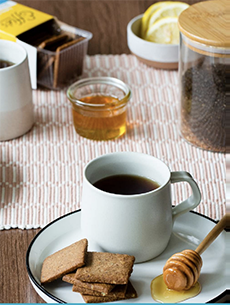
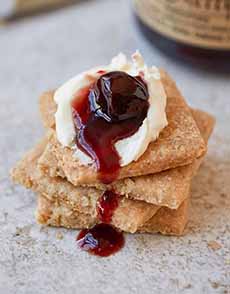
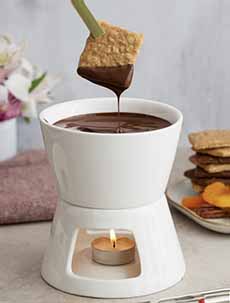
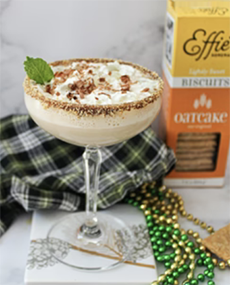
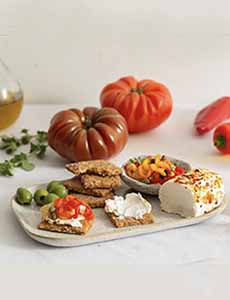
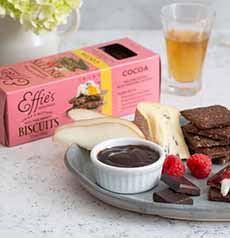
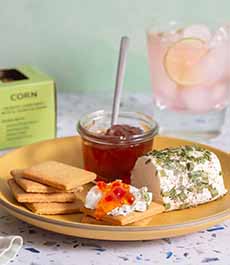
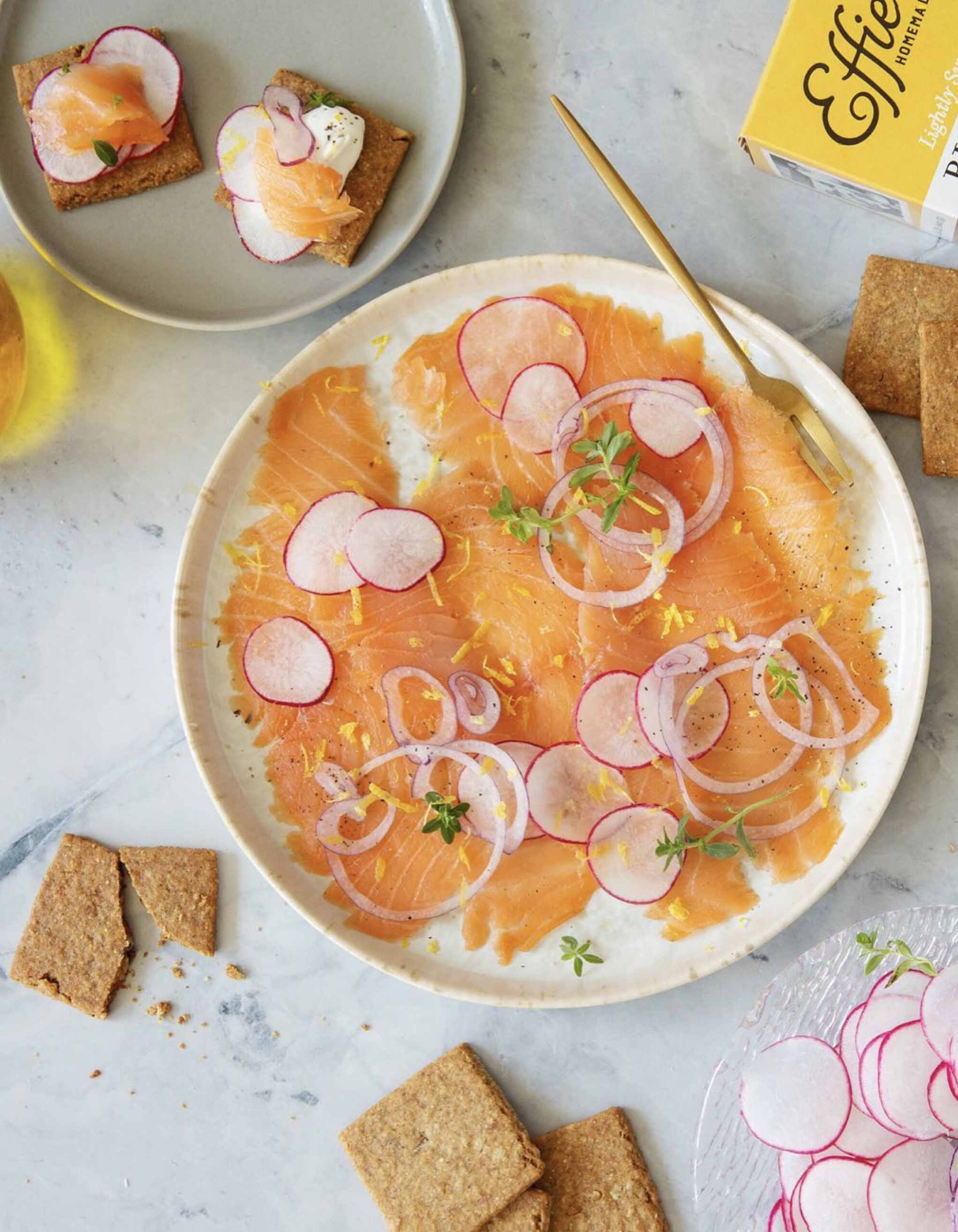
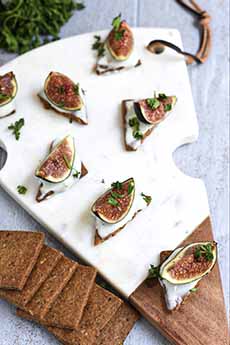
With cheese, definitely. With a cup of coffee, tea, chai, or hot chocolate, of course. And cheese, glorious cheese (Effie’s has these pairing suggestions). There are many more ways you can use Effie’s Biscuits. Here’s what we’ve made: The confusion between cookies and biscuits is one of the linguistic divides between American and British English. Add in crackers, scones, and products like Effie’s Biscuits, and many of us understandably need a roadmap. An easy summary is this: Why are cookies and cracker biscuits in the U.K.? In Britain, “biscuit” is the umbrella term for what Americans split into two categories: crackers (savory) and cookies (sweet). British biscuits exist on a spectrum from completely bland and savory water biscuits to sweet chocolate digestives biscuits. What they all have in common: They’re hard and dry. The term “biscuit” is derived from the Latin bis coctus, “twice-baked,” which is how that hard biscuit, biscotti (made for the Roman Legions and plain/savory for thousands of years) got its name. A summary: Yes, but for a different style: not for the conventional flat and crisp biscuits (i.e., cookies). Rather, the soft, chewy cookies that developed in the U.S. are called cookies in the U.K. But they aren’t as common in the U.K. as the crispy biscuits. So: If biscuits are flat, hard, crunchy foods in the U.K., and the British brought their language to the Colonies, how did the word “biscuit” come to mean a soft, flaky quick bread? |
|
|
The American biscuit as we know it evolved in the early 19th century. Before the Civil War, cooks created biscuits to serve as a cheaply produced meal component that required no yeast (as bread requires), which was expensive and difficult to store. Initially, these were “beaten biscuits”—laboriously beaten to incorporate air since chemical leavening agents weren’t yet available. Baking powder, invented in 1846, was a game-changer. Southern cooks, using readily available ingredients like soft wheat flour, baking powder, and buttermilk, developed a soft, fluffy version of the modern American biscuit. This type of bread, made in individual portions, was ideally suited to soaking up gravy or serving with butter and jam. While we don’t know who first called it a biscuit and when, recipes began to be published and Americans gobbled up these soft quick breads. This is the beginning of American definition of the word “biscuit,” co-opting the British term.   We’ll have to close this conversation agreeing that the term “biscuit,” when used in America, can refer to the hard British biscuit, or the soft American quick bread. As the saying goes, “It’s all in the context.” And by the way, the real transformation into the modern American biscuit happened when commercial baking powder and baking soda were invented in 1846 and 1856 respectively. Cooks no longer had to tax their arm muscles beating air into beaten biscuits. The Biscuit Marches On In 1930, General Mills introduced Bisquick, the first packaged biscuit mix: everything pre-measured, just add water. Now, housewives and others could quickly bake and serve warm biscuits. The mid-20th-century innovation of packaging biscuit dough in pressurized, refrigerated tubes or cans was the final leap in convenience. In the 1970s, the fast food industry transformed the biscuit from a side dish into the main item: the biscuit sandwich. And now, you can expect: *Crackers Over the Keyboard Day is a bonkers holiday was created by Thomas and Ruth Roy, creative entrepreneurs from Pennsylvania who have invented over 80 copyrighted holidays through their company Wellcat Holidays & Herbs. This holiday encourages people to show their free-thinking spirit by eating crackers over their computer keyboards. They think that the celebration is “a fun way to enjoy snacks at work, accompanied by a sense of unrestrained freedom. It’s meant as a playful act of rebellion to break free from workplace etiquette and assert your individuality.” We think it’s a way to jam up your keyboard and get cracker crumbs all over the place when you try to tap them out. TIP: To get cracker crumbs out of a keyboard, first turn off the computer and then use a can of compressed air or a soft brush to dislodge the debris. If that doesn’t work, gently turn the keyboard upside down and shake or tap it to let the crumbs fall out (we’re big on tapping). For any remaining crumbs, use a cotton swab lightly dampened with isopropyl alcohol for hard-to-reach spots or a damp microfiber cloth to wipe the surfaces of the keys. So why did we include this loony holiday? Well…they registered it with one of the numerous websites that allow anyone to declare a holiday (for a fee). See their other bonkers holidays here (e.g., Happy Mew Year For Cats Day is January 2nd). **Great Britain is the island that contains England, Scotland, and Wales, while the United Kingdom is the sovereign country that includes all of Great Britain and Northern Ireland. The British monarch is the head of state in constitutional monarchies, known as constitutional, parliamentary, or limited monarchies, and include countries like Australia, Canada, and New Zealand, which are also called Commonwealth realms. The actual power to govern, such as making laws, lies with an elected legislature and government, with the British monarch’s role is largely ceremonial. †Ship’s biscuits, also known as hardtack, were a staple of naval and military life for centuries. Simple, durable, and long-lasting, the cracker designed to be stored for years without spoiling during long sea voyages or military campaigns. (It tasted as you can guess—bland, just flour and water, and sometimes a little salt.). They were baked multiple times at a low temperature to remove nearly all the moisture. Thy were a vital component of a sailor’s daily ration—often one pound per man per day (can you imagine!). Notoriously rock-hard, they were nicknamed sometimes “molar breakers” or “sheet iron.” Sailors and soldiers would make them palatable by soaking or dunking them in water, coffee, tea, beer, broth, or stew until they softened enough to be chewed. They could also be crushed by pounding with the butt of a musket or a hammer to break them into pieces, which could then be mixed into stews to act as a thickener). Want to try it? You can buy ship’s biscuits/hardtack today, although it is marketed primarily for two very specific niches: survival food and historical reenactment. Some commercial versions are slightly modified (Pilot Bread, Sailor Crackers) to be a bit less dense than the original, but the core ingredients remain the same (flour, water, salt). |
||