The History Of Caffe Latte For National Latte Day
|
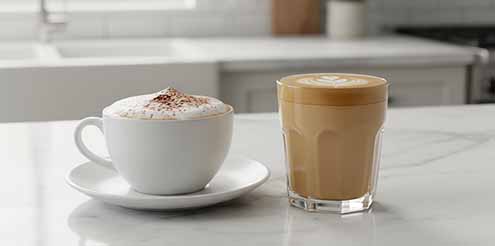
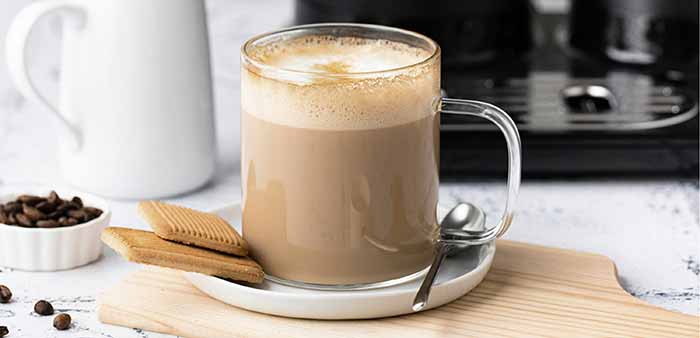
February 11th is National Latte Day, a coffee drink made with one or two shots of espresso and steamed milk. The word “latte” comes from the Italian caffè e latte, meaning coffee and milk. The latte is one of the top-selling espresso drinks in U.S. coffee shops, along with cappuccino and plain espresso. We plunge into the world of latte below with: > The beginning of coffee culture. > The difference between latte and cappuccino. > The history of the espresso machine. > The year’s 25 coffee holidays. > The different types of espresso drinks. > The different types of coffee, a photo glossary. > The different types of espresso: a photo glossary. > The history of pumpkin spice latte. The original “coffee culture,” the Ottoman Empire, did not make latte—it wasn’t a dairy cattle culture. The concept of mixing coffee with milk dates to 17th-century Europe, particularly in Italy, France, and Spain. The latte, on the other hand, has been adopted globally. Latte art—the intricate designs created by pouring steamed milk into espresso—originated as a result of advancements in espresso-making technology and milk frothing techniques (photo #6). While it has roots in Italy, the technique was perfected and popularized in the U.S. and Japan in the late 20th century. David Schomer, a barista from Seattle, is often credited with refining and popularizing latte art in the late 1980s. Schomer experimented with milk texture and pouring methods, developing the heart and rosette patterns. Latte art was enabled by the development of microfoam, a velvety foam created by the steam wand of a cappuccino machine. The wand foams the milk in a stainless-steel pitcher; the pitcher pours the foam onto the top of the coffee (photo #2). The combination of the natural crema atop the cup of espresso and velvety microfoam allows patterns to be made. (Note that other types of milk steamers/foamers do not create microfoam.) By 1989 the heart pattern was a signature at David Schomer’s Espresso Vivace and the rosette pattern followed, based on a photograph Schomer saw of latte art in an Italian café. He shared his techniques by 1994, helping spread latte art across the U.S. as coffeehouse culture expanded. In the early 2000s, Japanese baristas took latte art to new levels, introducing etching techniques (the use of tools to draw detailed patterns. Both drinks originated in Italian cafés, but are slightly different, based on the amount of milk. |
|
|
|
________________ *The history of the espresso machine: The first espresso machine was presented at the Universal Exposition in Paris in 1855, developed to solve the slow speed and loss of flavor that occurred with other methods of coffee preparation. Luigi Bezzera, an Italian engineer, filed a patent for the first espresso machine in 1901. His machine used steam pressure to force hot water through coffee grounds, significantly reducing brewing time. In 1905, Desiderio Pavoni purchased Bezzera’s patent and founded La Pavoni, which started producing espresso machines in Milan. In 1945, Achille Gaggia introduced the first lever-operated espresso machine, which used a spring piston to increase pressure to 8–10 bars. This created crema, the golden foam that became a defining feature of espresso. Gaggia’s machines were smaller and faster, making espresso more easy to serve in coffee shops. His machines also introduced the first integrated steam wand, allowing baristas to froth milk directly on the espresso machine for cappuccinos. In 1961 Ernesto Valente improving espresso quality by introducing the first electric pump machine, Faema E61, which maintained consistent water pressure at 9 bars. It made pulling a shot easier and more consistent. In the 1970s, home espresso machines became available. In the 1990s, super-automatic machines were introduced that could grind and tamp the beans and brew espresso at the press of a button. Today, high-end machines machines with PID (Proportional-Integral-Derivative) advanced temperature control, pressure profiling, and smart technology allow baristas and home users to fine-tune espresso extraction. CHECK OUT WHAT’S HAPPENING ON OUR HOME PAGE, THENIBBLE.COM.
|
||