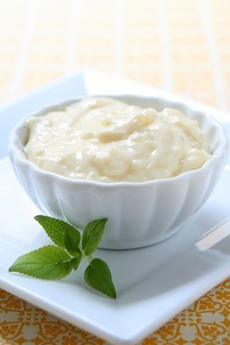
Creamy Tapioca Pudding Recipe & What Is Tapioca?
|
|
July 15th is National Tapioca Pudding Day, honoring a dessert so creamy, it was once known as tapioca cream (there’s also a National Tapioca Day on June 28th, which can honor other tapioca recipes, from bubble tea to flatbread).
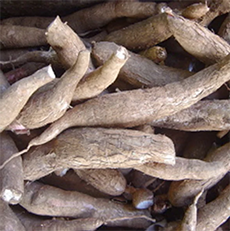
Tapioca pudding used to be as popular as rice pudding and was served in school lunchrooms. While its popularity began to wane some 50 years ago, it’s still popular with people who like creamy puddings. Modern processing of tapioca began in the second half of the 19th century. As an easily digestible starch, tapioca pudding was often prescribed for children, the elderly, and the infirm. > But you be the judge. A recipe is below, along with the origins of tapioca. > The year’s 24 pudding holidays are also below. Tapioca is a starch derived from the root of the cassava (pronounced kuh-SAH-vuh, also called manioc, arrowroot, and yuca—not yucca), a woody shrub native to South America that is cultivated for its starchy, tuberous root (a major food source, cooked like potatoes). Tapioca is also a thickener. Add a tablespoon of arrowroot (dried ground cassava) or two tablespoons of quick-cooking tapioca pearls to berry pies or other pie recipes known to be runny. The arrowroot or tapioca will “thicken the sauce” as the pie bakes. Raw tapioca is poisonous because it contains naturally occurring forms of cyanide. The milky, bitter liquid (yare) squeezed out of the pulp was used to make poisonous darts. In the Tupi-Guarani* language, the processed cassava is called tipioca. Tipi means residue and ok (not O.K.) means to squeeze out. This describes how the starch is produced—by steeping the crushed root fibers in water and squeezing out the liquid. Spanish and Portuguese traders inadvertently transposed the word to tapioca. *The Tupi-Guarani are one of the main indigenous ethnic groups of Brazil. It is believed that they first settled in the Amazon rainforest, but spread southward beginning about 2,900 years ago to gradually occupy the Atlantic coast of what is now Brazil. |
|
|
RECIPE: TAPIOCA PUDDING This recipe couldn’t be easier. Just bring the ingredients to a boil and let stand for 15 minutes. The recipe, made by our mom, is adapted from The Fanny Farmer Cookbook. Ingredients 1. BREAK the egg into a medium saucepan and beat with a fork (just enough to blend the white and yolk). 2. ADD the tapioca, sugar, salt, and milk. Stir over moderate heat until the pudding boils. 3. REMOVE from heat; let stand for 15 minutes. The pudding stiffens as it cools. 4. STIR IN the vanilla and pour the pudding into a serving bowl or individual ramekins or goblets. Refrigerate for several hours or until ready to serve. Custard holidays are also included here. Custard is a specific type of pudding that is thickened with eggs. Puddings can be thickened with starches like cornstarch or flour, in addition to eggs. So, while all custards can be considered puddings, not all puddings are custards. Mousse, on the other hand, is not a pudding. While both are creamy and served chilled, they are made differently and have different textures. Mousse is light and airy due to the incorporation of whipped ingredients like egg whites or cream, while pudding is denser, typically thickened with cornstarch or eggs, and cooked. > Here’s how American pudding is different from British pudding. Both types are listed. > Have a pudding party! Here’s how to set up a pudding buffet. †The Yorkshire pudding holiday is celebrated twice a year: the first Sunday of February in the U.K., and October 13 in the U.S. and everywhere else. ‡Why two tapioca holidays? June 28th is a broader National Tapioca Day celebration, July 15th celebrates tapioca pudding specifically. Tapioca is also used as a gluten-free flour, as a thickener, and in different cultures for noodles, crepês, and crispy snacks. There’s no clear explanation for why there are two similar days so close to each other. CHECK OUT WHAT’S HAPPENING ON OUR HOME PAGE, THENIBBLE.COM.
|
||