The Keuring K-Mini Mate: Tiny Footprint, Same Easy Brewer
|
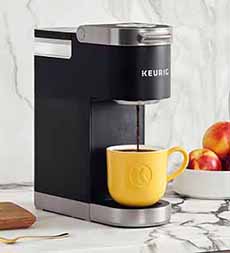
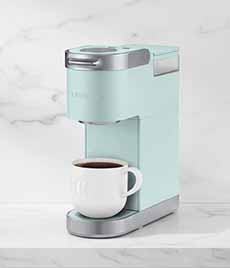
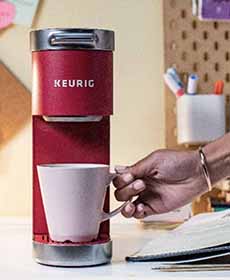
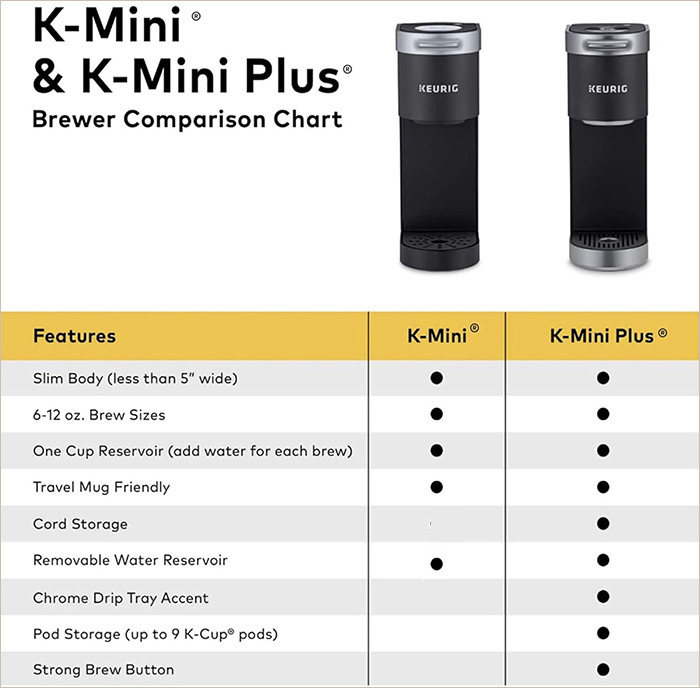
If only there had been a Keurig K-Mini Mate when we had our last corporate job, when the powers-that-were discontinued the free coffee in a cost-cutting move. (Seriously, a Fortune 500 company couldn’t provide a pot of coffee)? Instead of walking down the hall to the kitchen for a cup, we had to take company time—and the elevator down and up however many floors—to buy a pricey cup of coffee at a newly-installed lobby coffee stand. In our subsequent career—this one—we received a K-Mini to test, and are very pleased with the results. The Plus has slightly different choices, including white and red options. There’s a chart comparing the Mini and the Mini Plus below. The Plus version adds three features: Plus: Head to Amazon, Keurig.com, or your retailer of choice. > The different types of coffee. |
|
|
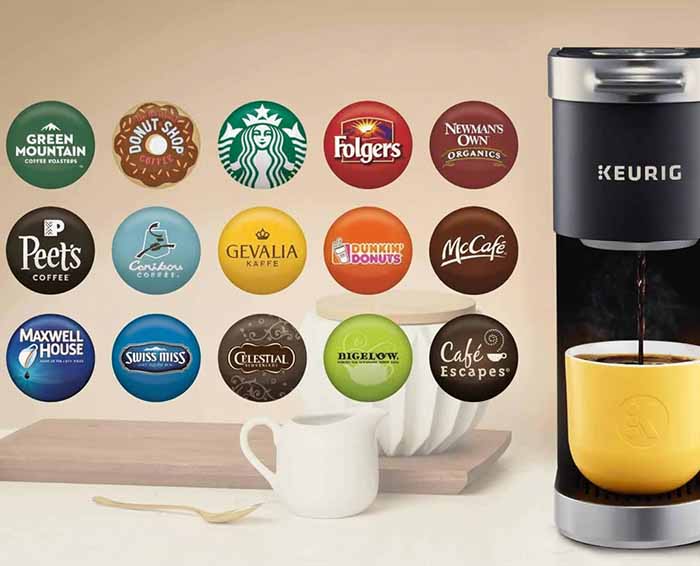 [4] In addition to quick, neat, and easy brewing, there are hundreds of different K-Cup varieties to choose from—unlike the same ground coffee every day. THE HISTORY OF THE KEURIG COFFEE POD-BASED MACHINE The Keurig pod machine was invented by John Sylvan and Peter Dragone, who founded Keurig Inc. in Massachusetts in 1992 to bring convenient, single-serve coffee to offices. The first brewers, targeting offices, debuted in 1998. The success of the office brewer led to home versions, appearing in 2004. Sylvan, the inventor, was motivated by the poor quality of office drip coffee and the need to brew a full pot when only one or two cups was wanted. He envisioned a single-cup coffee machine that brewed quickly (in fact, it takes less than a minute). He and Dragone created a machine that used pre-packaged coffee pods (K-Cups, K for Keurig) for fresh coffee in quick order. Sylvan has since expressed regrets over the environmental impact of the non-recyclable K-Cups* In 2006, Green Mountain Coffee Roasters acquired Keurig for $160 million, sparking rapid growth for both companies. By 2010, Keurig and K-Cup sales exceeded $1.2 billion, and the product line expanded to cocoa and tea. In 2012, a crucial turning point occurred: Keurig’s main patent on K-Cup pods expired, leading to an explosion of competing (and less expensive) pods. Keurig responded by launching the Keurig 2.0 brewer with technology that would only brew officially licensed pods. However, based on consumer backlash, the lock-out was halted†. In July 2018, Keurig Green Mountain merged with Dr Pepper Snapple Group in a deal worth $18.7 billion, creating Keurig Dr Pepper. In 2024, the company shipped 10.4 million brewers, a 7.3% increase year-over-year. As of 2023-2024, the company has approximately 28,000 employees and annual revenue exceeding $14 billion. Approximately 40 million U.S. households have Keurig brewers. Founder John Sylvan said that the name came from his having “looked up the word excellence‡ in Dutch.” According to an interview with The Atlantic, Sylvan said he chose Dutch because “everyone likes the Dutch.” There does not appear to be any personal Dutch ancestry or deep connection to Dutch culture on his part. The rationale was simply that the Dutch were perceived positively. There’s also the appeal of using a foreign word that sounds sophisticated. However, regarding “excellence,” a more accurate translation† from the Dutch is neat or tidy, along with choice, dainty, delicate, elegant, exquisite, natty, and trim. In our opinion, “neat” and “tidy,” which define single-cup brewing whether with K-Cups and other pods, is the perfect name for the technology. Thanks to the founders for making it happen! *Keurig K-Cups are made from recyclable #5 plastic (polypropylene) and are technically recyclable if you separate the parts (peel the lid, empty the grounds, rinse the cup). However, local recycling facilities often don’t accept them due to their small size and mixed materials. Check your local rules or use Keurig’s mail-in K-Cycle program. And, keep looking for recyclable options, produced by smaller companies, as well as the stainless steel and other refillable versions that let you fill with your own ground coffee. **Re strong brew capability: We, who always use the strong brew option on our Keurig Classic, can report that the regular brew was just fine. However, we use milk in our coffee, so if you drink yours black and like it strong, that may be a consideration. †The lockout of unlicensed pods sparked consumer backlash and multiple lawsuits. In October 2020, Keurig agreed to settle an antitrust lawsuit alleging they cornered the single-serve brewer market by making their machines only accept K-Cup coffee pods. ‡The Dutch word for excellence is uitmuntendheid, pronounced roughly like out-MOON-tend-hate. Other related Dutch words that convey excellence or being excellent include excellentie, voortreffelijkheid, and uitstekend. We can understand why the easy-to-pronounce-and-spell keurig won out. So John Sylvan either misremembered looking up “excellence” in a Dutch dictionary, or looked up a related concept like “neat” or “refined.” Regardless of whether it holds up under scrutiny, it’s a fun piece of business naming lore. CHECK OUT WHAT’S HAPPENING ON OUR HOME PAGE, THENIBBLE.COM. |
||