The 16 Different Types Of Pastry For National Pastry Day
|
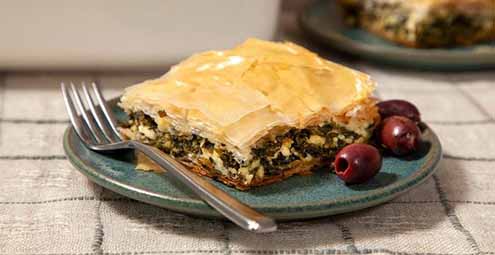
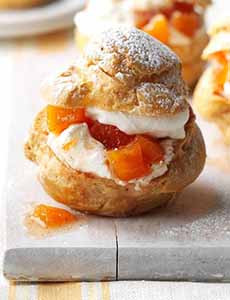
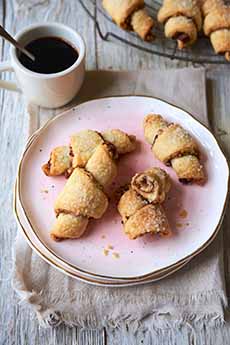
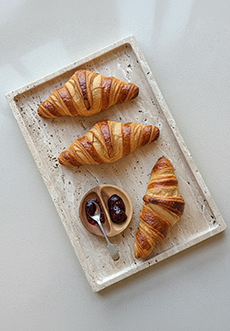
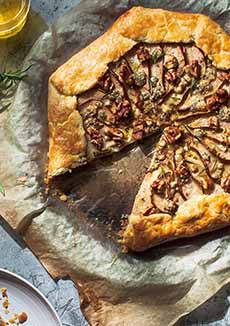
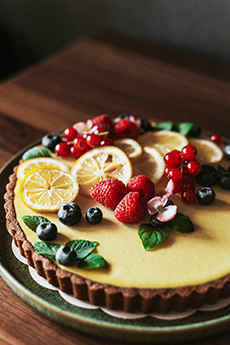
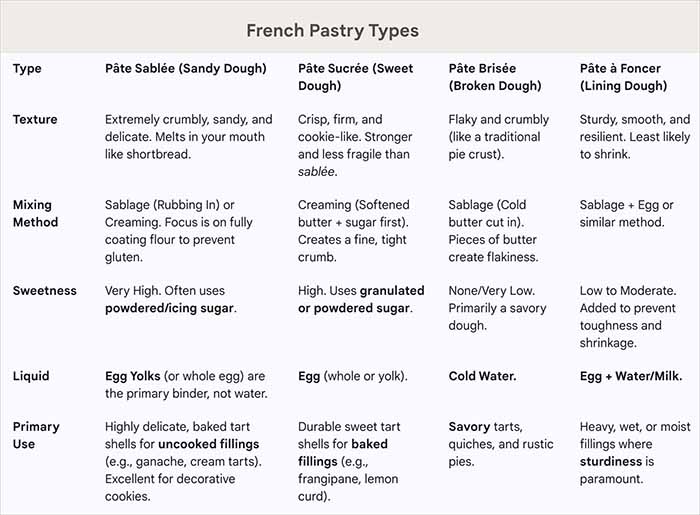
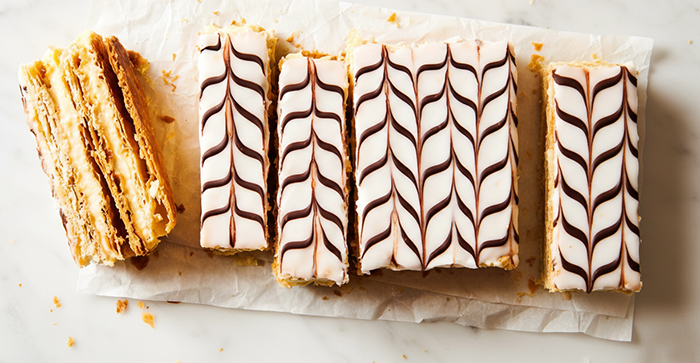
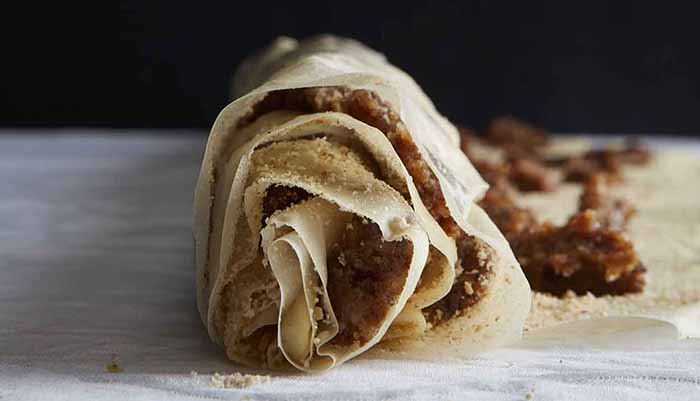
December 9th is National Pastry Day. We consumers might conjure up images of our favorite pastries—apple turnover, cream puff, Danish. And in fact, in a pâtisserie or other professional culinary setting, the term “pastry” can refer to a wide range of elegant and often ornate desserts, confections, and sweet baked goods—which is how most consumers think of “pastry.” > The history of pastry and the different types of pastry. However, at its fundamental, the term “pastry” refers to the type of dough. Pastry is a stiff dough made from flour, fat (butter or shortening), salt, and a small amount of liquid. It often has a high fat content, which gives it a characteristically flaky or crumbly and tender texture once baked. The pastries made from the dough can be sweet or savory, and have evolved over the centuries to enable the creation of pastries with specific characteristics. In alphabetical order, here are fundamental pastry types in Western baking traditions. Brioche dough. While technically an enriched bread dough, brioche is used extensively in pastry. Examples: buns, tarts, and the bases for elaborate desserts. Choux pastry (pâte à choux). A cooked dough that puffs up dramatically. Examples: cream puffs, éclairs, gougères, profiteroles (photo #1). See the chart below. Cream cheese pastry. A tender, flaky dough popular in America (where cream cheese was invented). Examples: kolache (kiffles), rugelach (photo #2), and thumbprint cookies. The pliability of cream cheese dough makes it perfect for shaping into balls with a depression for jam or preserves. Croissant dough. A laminated* yeast dough similar to Danish but lighter, airier due to different ratios of fat and sugar. It bakes up with a distinct open honeycomb (alveoli) interior structure. Examples: croissants, pain au chocolat. Kouign-amann uses a variation of croissant dough that also has caramelized sugar layers (photo #3). Danish pastry. A laminated* yeast dough, flaky and slightly sweet. It’s richer, denser, softer, and more tender than croissant dough because it contains eggs and more sugar. Examples: bear claws, Danish pastries. Hot water crust pastry. A sturdy pastry made with hot water and lard. Examples: British pork pies and raised pies. Pasta frolla. Italian sweetcrust dough, it’s similar to pâte sucrée (French sweet dough). Both are used as a base for tarts, pies, and cookies. See the ‡footnote for their differences. Examples: crostata (pie or tart), filled pastries (pastiera Napoletana, pasticciotti) and a variety of cookies (photo #4). If you’re wondering about the term pasta, in Italian it means paste, referring to dough, as does pâte in French. Pâte à foncer. Very similar to shortcrust pastry, foncer is a basic lining pastry that sits between pâte brisée and pâte sucrée. The name translates roughly to “lining dough.” It’s very common in French pastry, known for being sturdy and smooth, and thus ideal for lining tart, quiche, and pie pans. See the chart below. For those who wonder why pâte doesn’t have an accent over the é, it’s because la pâte means paste (batter, dough) and refers to a base substance**. Le pâté refers to a finished dish (pâté de foie gras, pâté en croûte). Pâte sablée. Meaning “sandy dough” in French, it’s more delicate than pâte sucrée. Its crumbly texture results from incorporating a high ratio of fat (butter) into the flour, using a method that deliberately minimizes gluten development. Examples: Sablée cookies, French tarts (photo #5). See the chart below. Phyllo/filo pastry. Paper-thin sheets of dough brushed with butter and layered. Examples: baklava, spanakopita (photo #6). Puff pastry (pâte feuilletée). An extremely light and flaky laminated dough with hundreds of buttery layers. It differs from croissant and Danish dough in that there is no yeast; it rises from steam only. Examples: Beef Wellington, cream horns, mille-feuille/napoleons* (photo #8), palmiers, vol-au-vents. Rough puff pastry. Also known as blitz puff, quick puff, or flaky pastry, rough pastry is a simplified, faster version of classic French puff pastry (pâte feuilletée). It still creates flaky layers, and is the most common pastry used in American pies. The main difference between rough puff and full puff pastry lies in how the butter is incorporated. While the full lamination of pâte feuilletée generates maximum rise and most delicate, airy, and uniform layers, rough puff pastry is an easier option for home bakers, and is used to make the same pastries. Shortcrust pastry (pâte brisée). Translating to “broken dough,” this is a tender, crumbly, savory pastry made without sugar. It is used for savory pies, quiches, and tarts. See the chart below. Strudel dough. Strudel dough is hand-stretched paper-thin, actually quite different from phyllo. The biggest difference is in the ingredients and the preparation to achieve elasticity. Strudel dough is specifically formulated and heavily kneaded for maximum elasticity, allowing a single piece to be stretched into one giant, transparent sheet that is then filled and rolled (photo #7). Phyllo dough is made and used as many separate, tissue-thin sheets that are layered and buttered to build the final pastry (photo #6). Suet pastry. A traditional British pastry that uses suet instead of butter. Suet is the firm, saturated fat found around the kidneys and loin of cattle or sheep. It’s less commonly used now but historically significant. Examples: Christmas pudding, dumplings, spotted dick, steak and kidney pie, steamed puddings. Sweet shortcrust (pâte sucrée). A sweetened version of shortcrust pastry, used for cookies and dessert tarts. |
|
|
|
THE DIFFERENCE BETWEEN THE FOUR FRENCH DOUGH TYPES
*Laminated dough is a special baking preparation that consists of many thin, alternating layers of dough and butter (or other solid fat). The technique is all about creating structure and layers. Pastries made from it are famously light, flaky, and airy because of steam leavening, a process where the water content in the butter turns instantly into steam. The steam is trapped between the thin, impermeable layers of butter and pushes the dough layers apart, causing the pastry to puff up dramatically (i.e., “laminate”). The result is a buttery pastry with a crisp exterior and a delicate, airy crumb. **In the plural form, les pâtes almost always means refers to the Italian noodles, e.g. penne or spaghetti. †The terms mille-feuille and Napoleon refer to the same basic pastry. Mille-feuille is French for “a thousand leaves/sheets.” The two can have slight differences: The mille-feuille is filled with vanilla pastry cream and topped with fondant icing with a chocolate pattern (photo #8). The Napoleon can have a layer of almond paste (frangipane) or almond pastry cream, and is sometimes topped only with powdered sugar. The Napoleon is not named for Napoleon Bonaparte, but for the city of Napoli (Naples), Italy. Over time, it became mispronounced as Napoleon. The one exception is the Russian Napoleon Cake, a variation of the French mille-feuille, which was supposedly created in 1912 to commemorate the 100th anniversary of the Russian victory over Napoleon Bonaparte in 1812. Pâte sucrée often includes vanilla or almond flour (which changes the texture). It typically uses the creaming method, beating softened butter and sugar together first, which gives it a more cookie-like, crisp texture. It can be more brittle and delicate to work with. CHECK OUT WHAT’S HAPPENING ON OUR HOME PAGE, THENIBBLE.COM. |
||