America’s Favorite Junk Food For National Junk Food Day
|
|
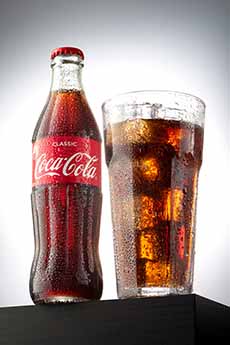
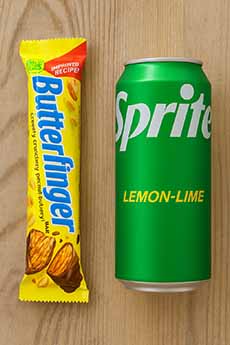
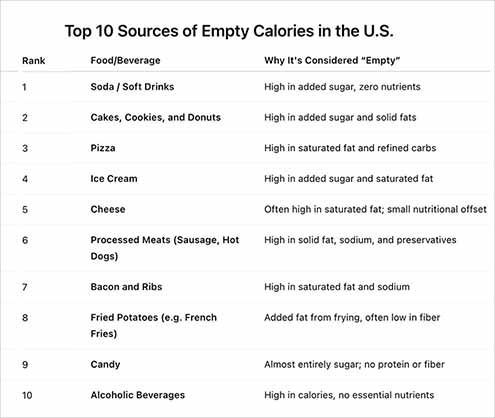
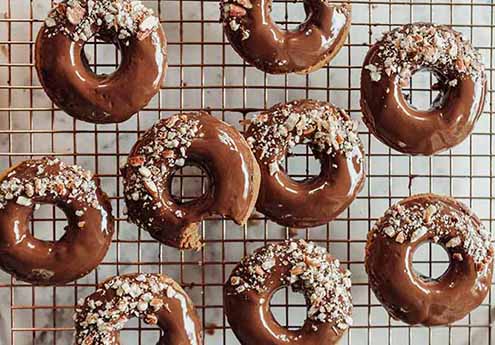
July 21st is National Junk Food Day. What are America’s favorite junk foods? The answers follow, but first: The term “junk food” is part of our everyday parlance, but it’s not formally defined by most U.S. government or healthcare agencies. However, both government entities and public health organizations use functional definitions to identify foods high in certain unhealthy components and low in nutritional value. The USDA does not officially define “junk food,” but it cautions against “discretionary calories” or “empty calories” (see the difference in the *footnote below). These are foods and beverages high in solid fats and added sugars with minimal essential nutrients, such as candy, soda, fried snacks, and pastries. Similarly, the CDC has no “junk food” definition, but uses terms like “unhealthy foods,” “low-nutrient foods,” or “foods high in sodium, added sugar, and unhealthy fats.” It warns that consumption of these foods contributes to obesity, heart disease, type 2 diabetes, and other chronic illnesses. The FDA doesn’t label foods as “junk,” but it regulates the Nutrition Facts labels and definitions for terms like “healthy” and “low fat.” It also sets limits for daily values of sugar, sodium, fat, and calories, which help guide what is considered excessive. WHO often refers to “energy-dense, nutrient-poor foods” and highlights the risk of non-communicable diseases (NCDs) from high intake of candy and confectionery, fast food, processed snacks, and sugar-sweetened beverages. The AND defines “junk food” as “foods high in sugar, salt, and fat that provide little nutritional benefit.” That’s easy to understand! Here are the Top 10 Most Popular “Junk Foods” according to the 2025 Hims Survey†. We don’t know the methodology, because some of the items on this list provide legitimate protein (fried chicken, hamburgers). But, it seems to have nailed the main culprits: chips, chocolate candy, and soda. (We would have added baked sweets—cake, cookies, donuts, pie, etc.) But they contribute a disproportionately high number of calories from fat or sugar without enough nutritional benefit to offset them—especially when consumed in large quantities. |
|
|
________________
*Empty calories are bad calories (from sugar and fat, no nutrients). Discretionary calories are extra (unused) calories from your daily food intake which you may use on small indulgences, including empty-calorie foods. All empty calories are discretionary calories, but not all discretionary calories are empty calories. †This was an online consumer study conducted by Hims & Hers Health, Inc., a U.S.-based telehealth company. While their core business is in healthcare, the company also conducts lifestyle and health-related surveys to gauge public attitudes and behaviors. The survey was conducted in recognition of National Junk Food Day (July 21) and asked participants to name their favorite indulgent or “junk” food. The exact methodology was not made available, i.e., we don’t know exactly how the question is asked—open-ended or choose from a provided list. CHECK OUT WHAT’S HAPPENING ON OUR HOME PAGE, THENIBBLE.COM. |
||