Ways To Use Ginger Beer In Cocktails & Cooking (With Recipes)
|
Ginger beer is not alcoholic, but a stronger, spicier version of ginger ale. There are lots of cocktails made with ginger beer, the most famous of which are:
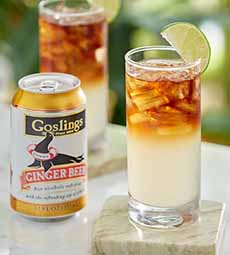
You can buy ginger beer in grocery stores, or you can easily make your own. Here’s a shortcut recipe from Chef Jamie Oliver, no fermenting required. Ginger beer goes well with all spicy or highly-seasoned foods, as well as foods with sweet glazes and sauces, like barbecue or glazed ham. Find recipes below. Below: > Ginger beer vs. ginger ale: the difference. > Cooking with ginger beer. > The year’s 11 ginger-related holidays. > The year’s 40+ beer holidays. > The year’s 24 non-alcoholic beverage holidays (including juice and soft drinks). > The year’s 50+ cocktail and spirits holidays. Mule and buck are old names for mixed drinks made with ginger ale or ginger beer, plus citrus juice. They can be made with any base liquor. Some experts claim that a Buck is made with ginger ale, while a Mule uses the spicier ginger beer. Why buck? Why mule? That answer is lost to history, but here’s a detailed discussion. A bit of cocktail history: The Moscow Mule was invented in 1941 by John C. Hublein, importer of the than-not-well-known-or-popular Smirnof vodka. Here’s the history A Dark ‘n’ Stormy is traditionally made with Gosling’s Black Seal rum. Ginger beer was brought to the Caribbean by the English colonists, and full-bodied dark rum was first made by the Gosling family in 1860. It wasn’t a big jump to combine the two (one historian notes that Bermuda is only 20 square miles). The main differences between today’s ginger beer and ginger ale are the sweetness and spiciness. Ginger beer is less sweet than ginger ale and has a sizzling ginger kick. The spicier ginger beer provides a bite to cocktails, while the lighter ginger ale provides more sweetness and effervescence. Historically, both were fermented. Today only ginger beer is fermented, a reason for the higher price. Here’s more about fermented soft drinks. According to an enlightening article by Bill Norris, mass-produced ginger-based soft drinks began to appear in the U.S. by the mid-1800s. Back then, the ginger flavoring extract was aged in oak barrels for four years before use! Ginger ale was the most popular soft drink in the U.S. until the 1930s (Coca-Cola first was bottled for distribution in 1899 more). These early ginger ales were closer to what we now call ginger beer, described as “powerfully spicy.” |
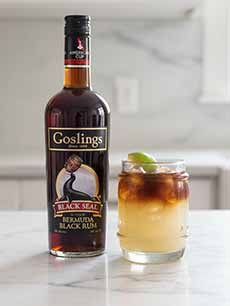 [1] The Dark and Stormy is named for the “storm cloud” effect created by pouring dark rum into ginger beer (Abacus Photo).
|
|
|
Canada Dry ginger ale was introduced in 1907; the “dry” style prevails today. It gained favor around the time of Prohibition (1920-1933). Dry ginger ale has a more mellow ginger flavor and is easier drinking—what most Americans seek in a soft drink. Create a spicy, lightly sweet sauce for meat and poultry with a base of ginger beer. Try: CHECK OUT WHAT’S HAPPENING ON OUR HOME PAGE, THENIBBLE.COM.
|
||